
 Drone Services
 Access Equipment
 Breaking & Drilling
 Cleaning Equipment
 Drying & Heating
 General Site Tools
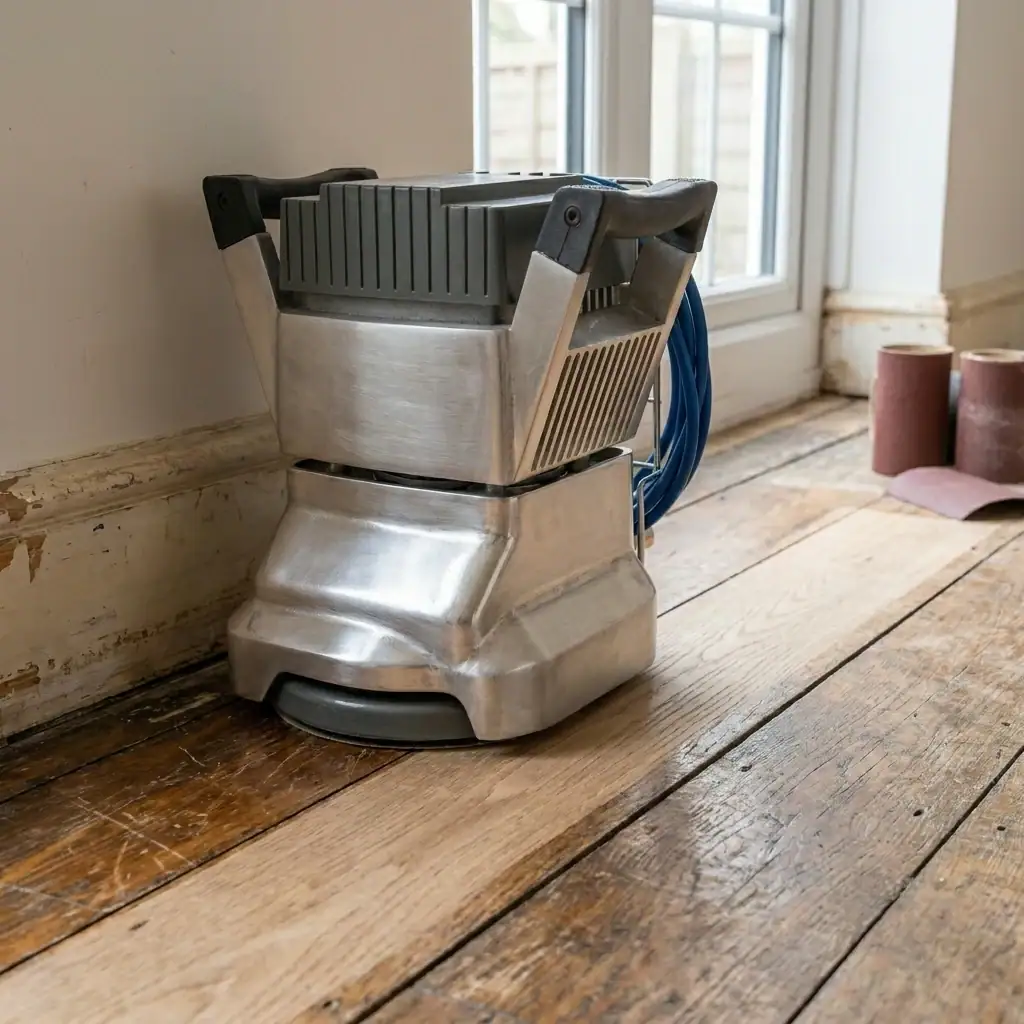
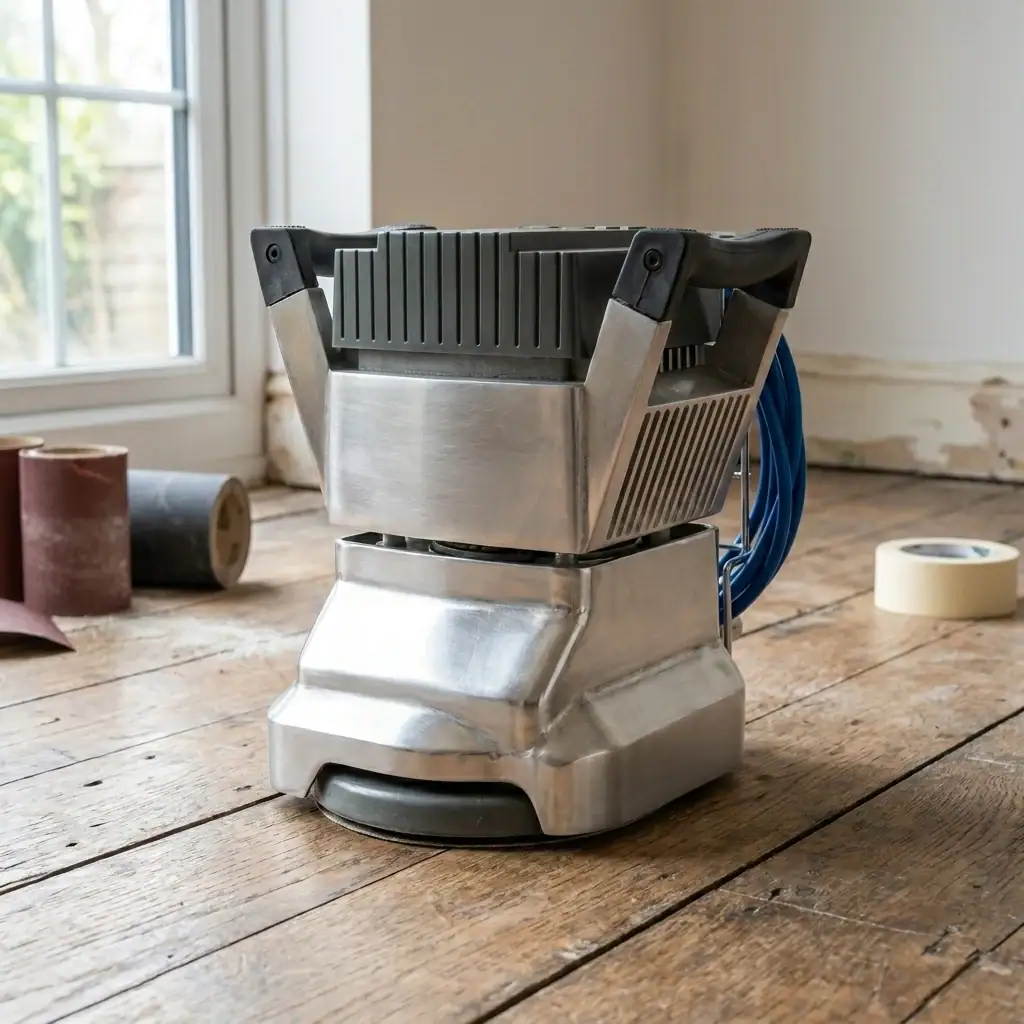
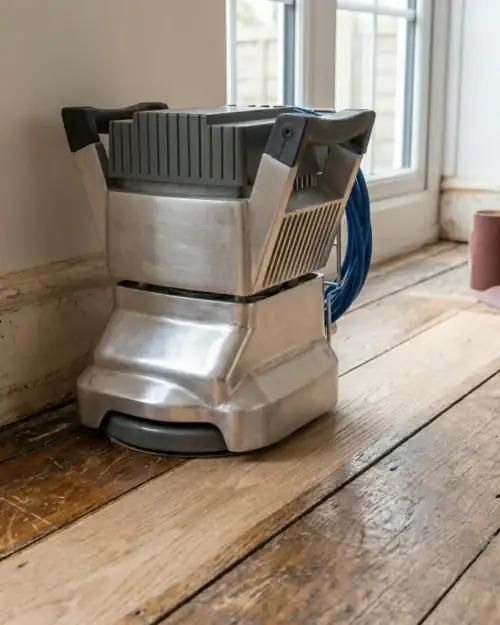
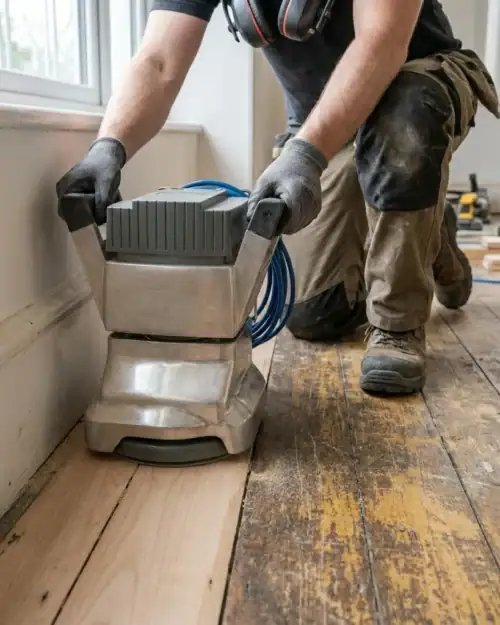
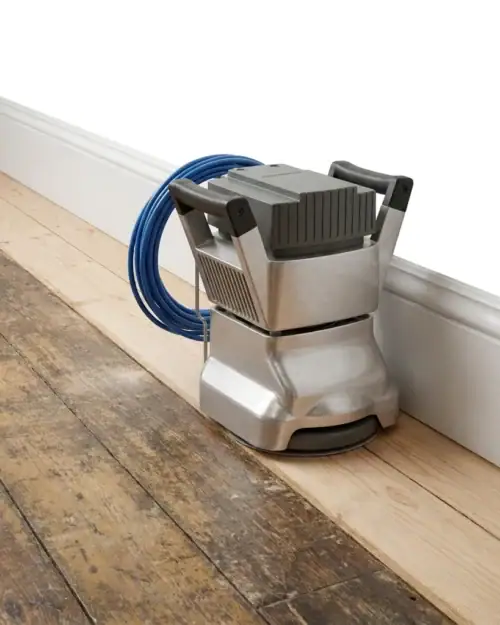
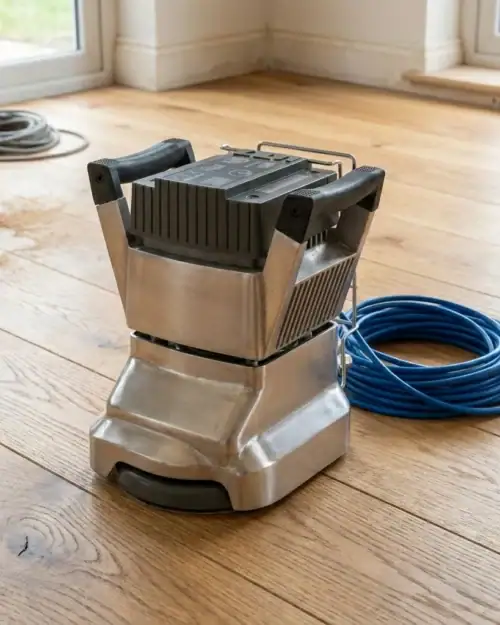
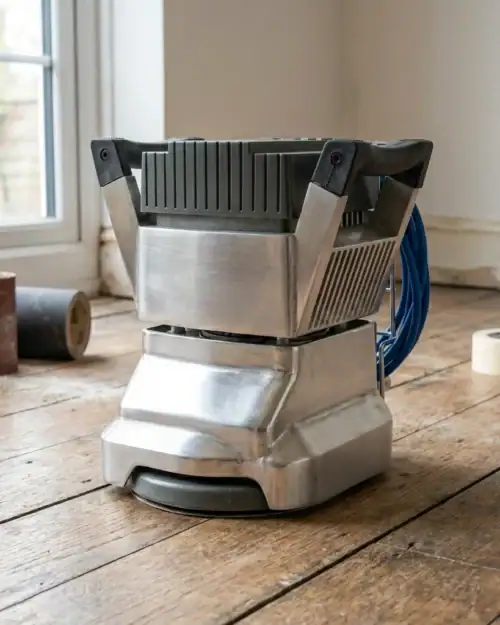
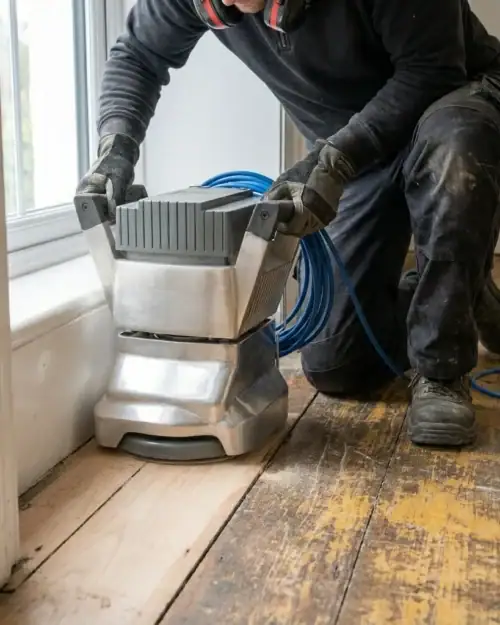
Floor Edging Sander Hire London | 7″ Edge Sander
From £32.99
+ VAT · 1 day
2 days £47.99 · up to a week £74.99 · longer from £9.99 a day
Pick your dates below for your exact price.
Floor edging sander · reaches skirting, corners & doorways a drum sander misses · 230V with dust collection · London delivery or free Greenford collection
Day based pricing : Floor Edging Sander (7″)
1 - 1 days :
£32.99 Fixed
2 - 2 days :
£47.99 Fixed
3 - 7 days :
£74.99 Fixed
8 - 365 days :
£9.99 / Day
Latest estimated delivery date: Monday 26 October
Floor Sanding · The Edge Specialist
Floor Edging Sander Hire London
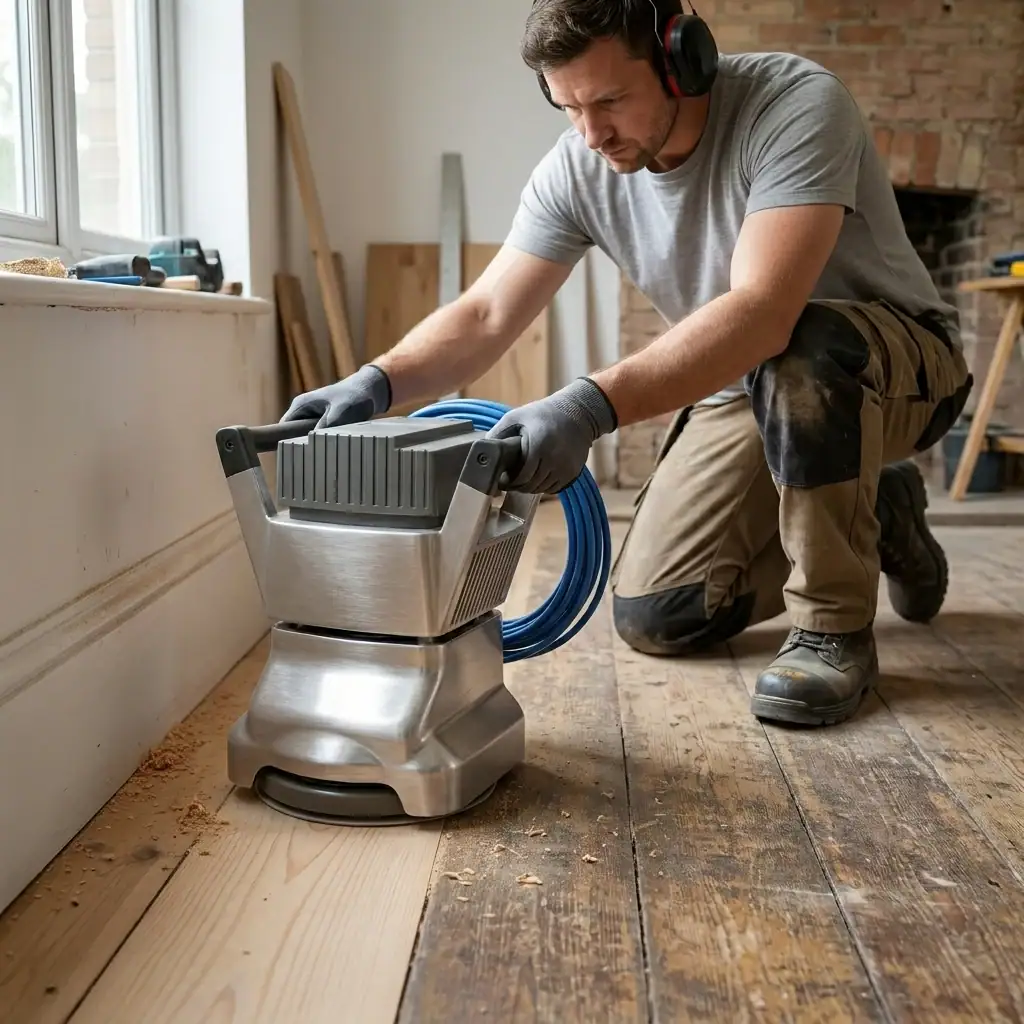
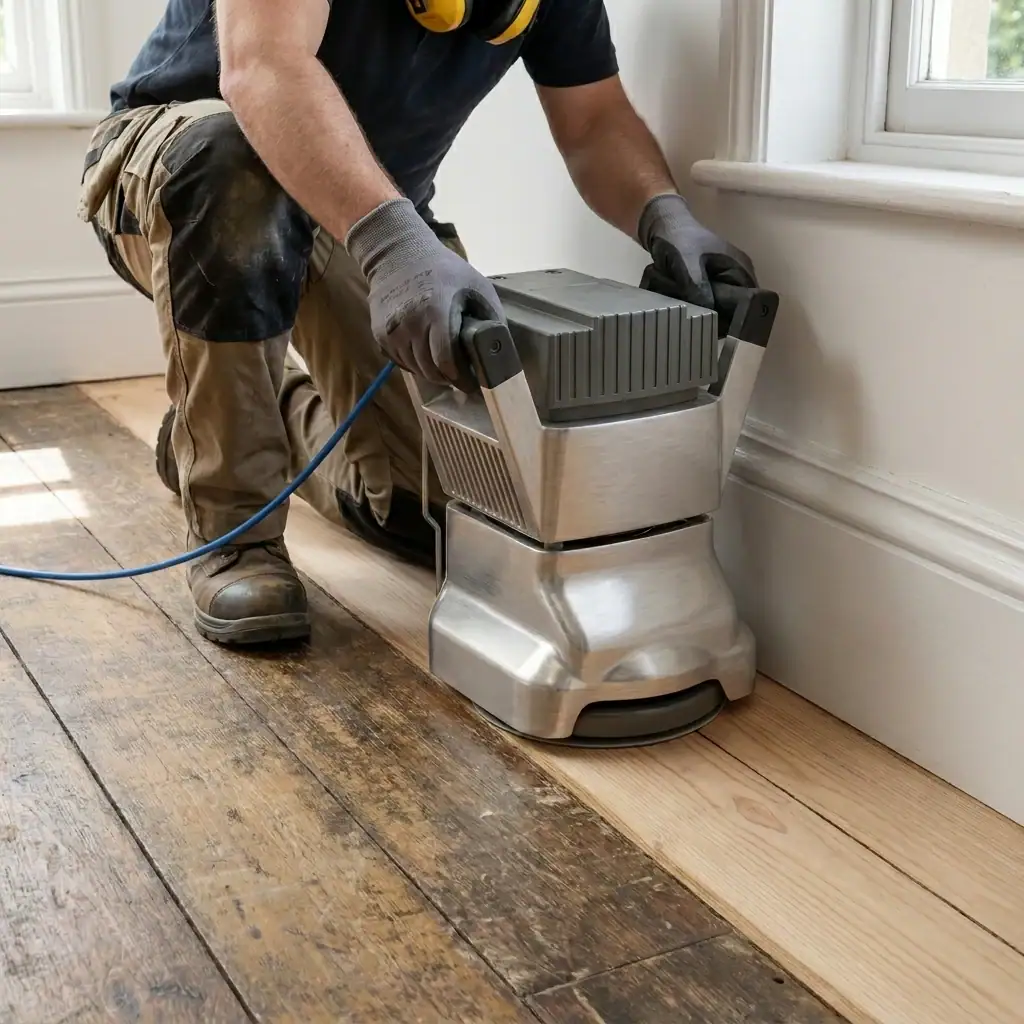
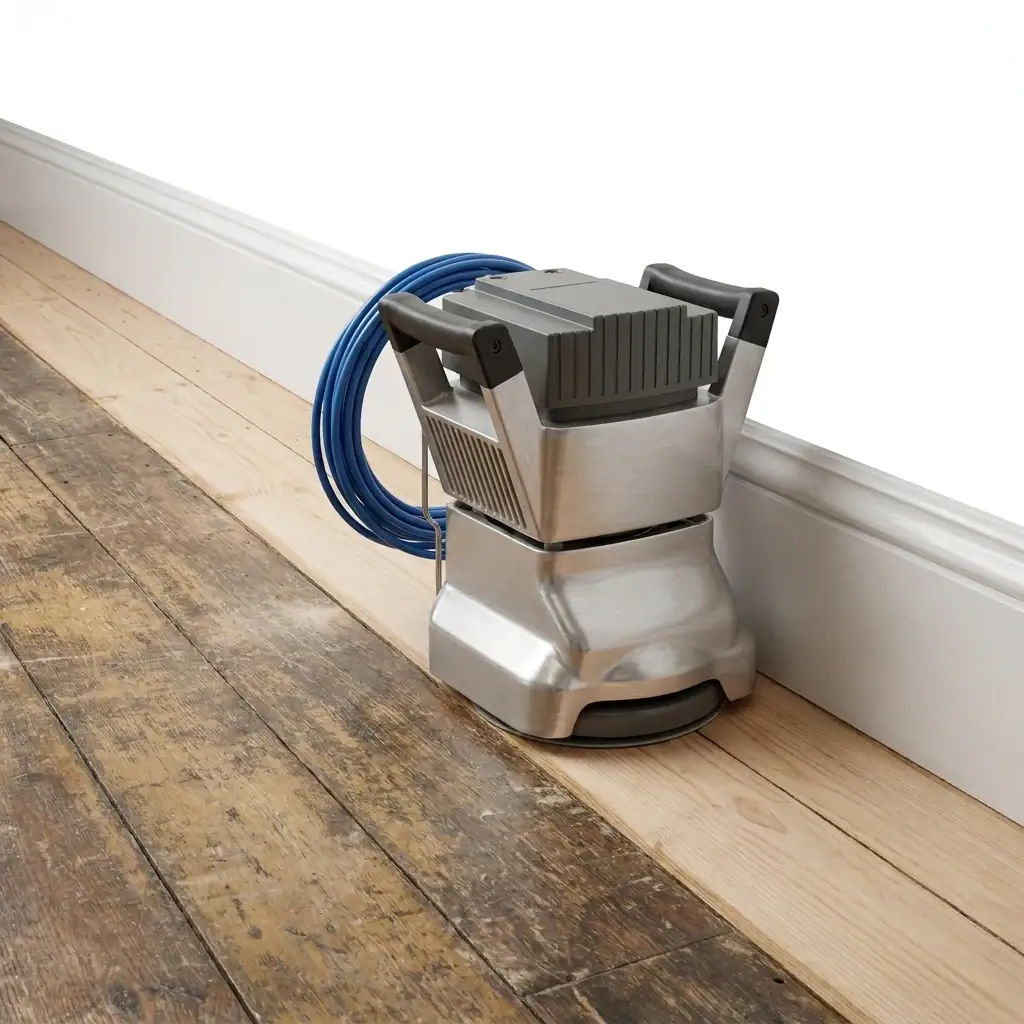
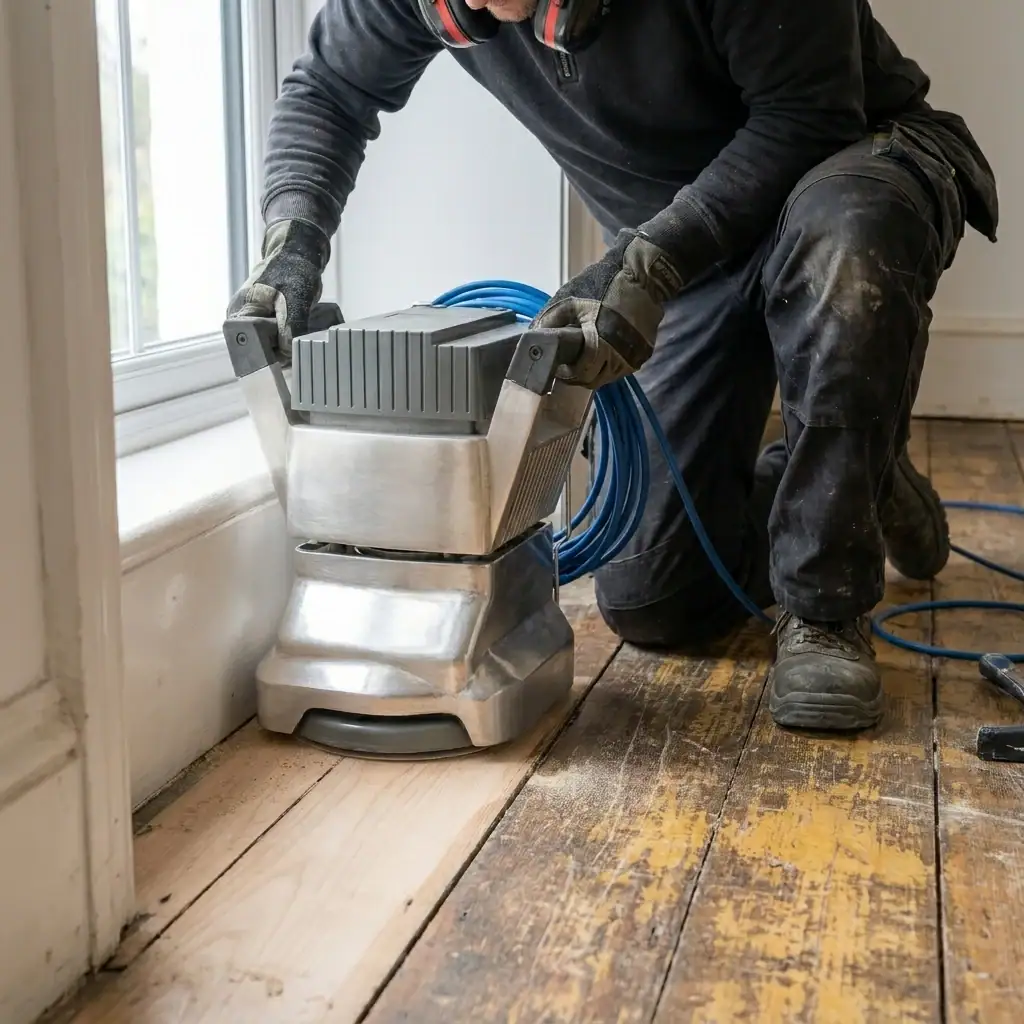
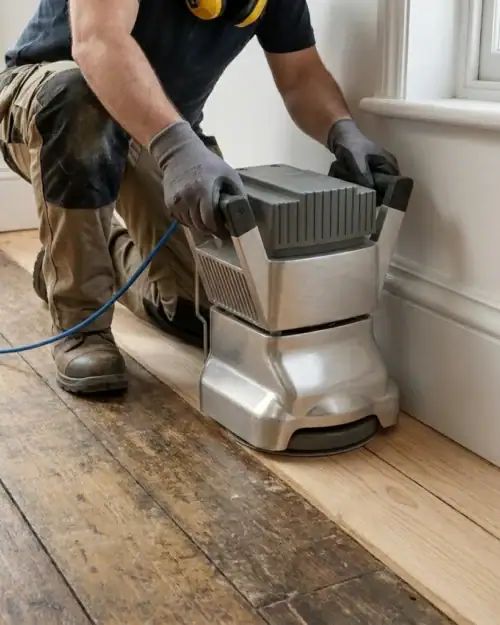
The small sander for floor edges — it gets right up to the skirting board, into the corners and around the door frames the big drum machine cannot touch.
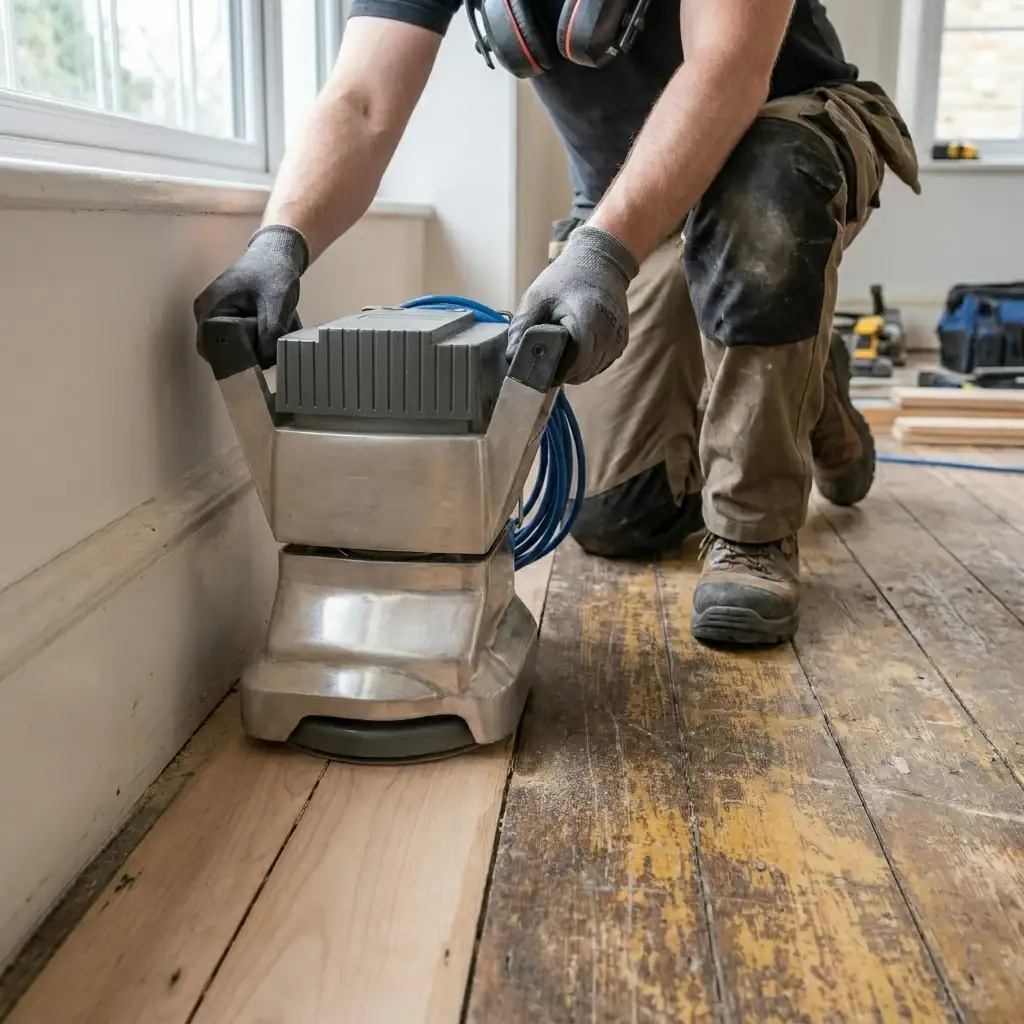
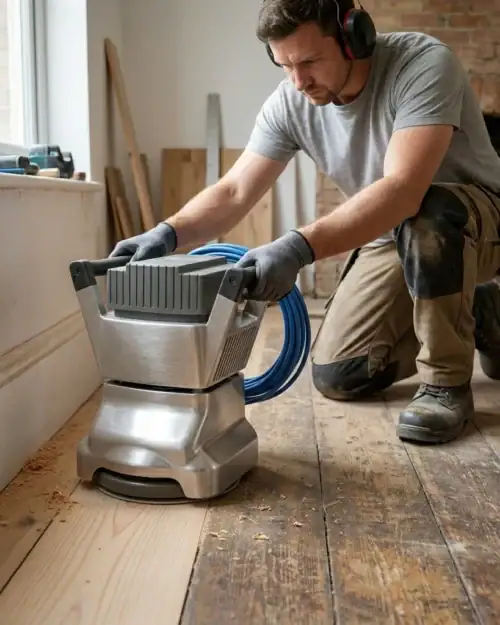
What is a floor edging sander? A floor edging sander is a compact disc sander that sands the strip of wooden floor a full-size drum sander cannot reach — the edges along skirting boards, the corners, and the boards around door frames and radiators. You kneel behind it and guide a spinning 178mm disc flat against the wood, so the border of the room finishes to the same standard as the freshly sanded middle.
Made in England by Hiretech of Watford — building hire-fleet floor sanders since 1974 — the HT7 is the edger the UK hire trade has standardised on. Ours leave the depot checked and tested.
Skirting linesCorners and door framesUnder radiatorsThresholds and patchesHallways and landings
Thirty-Second Check
Is this the machine you need?
Three honest answers, so the right kit turns up first time.
Pair ItSanding a whole room or a full floor?Then you need two machines. A drum floor sander strips the open middle far faster than any edger; this machine finishes the border the drum cannot reach. Together, the floor blends as one surface.
This AloneJust the edges, a doorway or a patch?Then this machine on its own is enough. Skirting lines, a worn doorway, a repaired board — for edge-only work there is no reason to hire the big machine too.
Not This MachineFurniture, tabletops or fine joinery?Honestly, no. This is a floor tool, made to be knelt behind on floorboards. For workbench jobs a palm or orbital sander is the right kit — we would rather tell you now.
Where It Earns Its Hire
What do you use a floor edging sander for?
Four jobs cover almost every hire — all of them within a hand-span of a wall.
Floorboards near the wallThe drum machine stops short of the skirting on every pass. This sander takes over that last stretch at the same grit, tight to the skirting line, so border and middle meet without a visible join.
Corners, door frames and liningsThe disc works into corners and around door linings and architraves — shapes a straight-line machine cannot follow. Careful passes here make a room look professionally finished.
Under radiators and across thresholdsThe low front reaches where an upright sander cannot: under radiators with clearance, across door thresholds, and over patched or replaced boards that need blending in.
Hallways, landings and small areasFor a hallway border, a small landing or one repaired patch, a heavy drum machine makes no sense. At 16.4kg this is a one-person carry — up the stairs if need be.
Verified Specifications
Hiretech HT7 — the numbers, straight from the manufacturer
Eleven figures, all from Hiretech’s current published data. Nothing estimated, nothing rounded up.
Fleet detail: the backing pad is replaced before its tread wears below Hiretech’s 4mm service limit, so the disc always sits flat. Hiretech have built floor sanders for the hire industry since 1974 — this is the machine that reputation was built on.
Edge Sander vs Drum Sander
Edge sander vs drum sander — which one do you need?
An edge sander finishes the border of the floor; a drum sander strips the open middle. Sand a whole room and you will almost always need both — here is the honest split.
The Open FloorDrum floor sanderThe 8 inch drum machine does the acreage — stripping a boarded or parquet floor back to bare wood far faster than any edger. It cannot get tight to a wall. Hiretech designed the HT8 drum sander and this HT7 as working partners, and that is how the hire trade runs them.
This Machine · The BorderHT7 edging sanderEverything the drum leaves behind: skirting lines, corners, door frames, thresholds. Run it at the drum’s grit at every stage and the two areas blend invisibly. On edge-only jobs it works alone.
Most Full RoomsFloor sander and edger packageBoth machines on one booking — one delivery, one collection, one grit path from strip to finish. The pairing nearly every full-room job ends up needing.
Weighing up the options? Browse the full floor sander hire range, or call 020 3375 4048 and describe the floor — we will tell you what the job needs, not what the biggest ticket is.
Discs and Grits
How do you sand the edges of a wooden floor? Coarse to fine, in order
The edges follow the same rule as the middle: work down the grades one at a time, and let each grit clear the scratches of the one before.
24StripCuts through old varnish, paint and wear, and levels the boards.
50/60ClearClears the deep scratches the 24 leaves — the step people regret skipping.
80RefineSmooths the surface and settles the grain, ready for the final pass.
120FinishThe last pass before sealing — the border should now match the drum-sanded middle.
Three rules decide the finish: never skip a grade, because the finer disc cannot remove the coarser one’s scratches; match the drum sander’s grit at every stage, or the join between border and middle shows; and vacuum between grits, so stray coarse grit cannot scratch the pass you just finished.
Punch every nail first. One proud nail head shreds a disc in a second and can scar the backing pad — sink every nail below the surface before the first pass. The machine takes one 178mm disc at a time, centre-bolt fixed; the wrench lives between the castors and the change takes a minute.
Tell us about your floor when you book. Boards or parquet, varnished or painted, waxed or bare — one sentence is enough, and the machine goes out with the right grits.
Honest Timings
How long does edging a room take?
Shorter than most people budget for. For a typical room border, think in minutes per grit, not hours — the drum sander does the acreage, and the edging is the smaller half of the work.
The floor sets the pace: thick old varnish slows the first pass, clean boards move quickly, corners take longer than straight runs. It is kneeling work — knee pads are a kindness. Keep the machine moving and the border keeps pace with the room. We do not quote square-metre rates for edging, because no two borders are the same; tell us the rooms and we will tell you honestly what to expect.
Before the Machine Arrives
What do you need on site?
Five things, all ordinary — nothing hired in specially.
A standard 13A socketRuns on 230-240V mains, drawing 8A on average — any household socket. No generator, no site transformer.
RCD protection, ideallyPlug through an RCD where you can — most modern consumer units have one built in.
Hammer and nail punchEvery nail sunk below the surface before you start — it protects the discs, the pad and the floor.
Dust mask and ear defendersThe machine is loud and the dust is fine — both go on before the switch does.
A vacuumFor between grits and the final clean — it stops stray grit scratching your finish.
Delivery and Collection
London delivery from £35 — or collect free from Greenford
We deliver across London from our Greenford UB6 depot to your booked date, or skip the fee and collect free from the depot. The machine arrives checked and tested, with its plain-English guide — on this page, and as a PDF with every hire.
Checked and testedInspected between hires — switch, pad, cable and dust system.
London delivery from £35Booked to your date, with live tracking on the day.
Free collection, Greenford UB6Collect from the depot and pay no delivery charge at all.
Guide and PDF includedPlain-English, written for first-time users.
Talk the job through first: call 020 3375 4048 or WhatsApp us — floors are easier to get right before the van leaves.
Quick Reference
Floor edging sander hire — at a glance
The short version — for quick decisions and straight answers.
Before You Book
Floor edging sander hire — your questions answered
Straight answers, the way you would get them at the counter.
Do I need an edging sander as well as the drum sander?
If the whole floor is being sanded, yes. The drum machine cannot reach the last stretch at the walls, and sanding that border by hand never blends with a machine-cut finish. If you are only refreshing edges, a doorway or a patch, this machine alone does the job. Most whole-room hires take the floor sander and edger package so both machines arrive on one booking.
Will it really sand right up to the skirting board?
Getting tight to the skirting is the reason this machine exists. The disc runs at floor level along the skirting line, so no untouched strip is left behind. Two habits protect the paintwork: keep the machine moving so it never dwells in one spot, and mask freshly painted skirting before you start. What it will not do is sand the vertical face of the skirting itself — that stays a hand-block job.
How loud is it — can I use it in a flat?
It is genuinely loud — proper power-tool loud — so ear defenders are non-negotiable and daytime hours are the neighbourly choice. The saving grace is duration: edging a room border runs minutes per grit rather than hours, so the noisy stretch is short. In a block, a knock on the neighbour’s door first buys a lot of goodwill.
Does it make a lot of dust?
Less than people fear, more than none. The on-board bag collects most of it; empty it at its MAX line and the pickup stays strong. Expect a fine film to settle, and vacuum between grits. One serious point: wood dust is a fire and explosion risk — empty the bag when you stop, never leave dust in the machine overnight, and keep smoking and flames out of the room.
Which grit discs do I need for my floor?
Old varnish or paint starts at 24 grit, then 50 or 60, then 80, then 120 — strictly in order, always matching the grade the drum sander has just used so border and middle stay in step. The right starting grit depends on what is on your boards, so tell us about the floor when you book and the machine goes out with the right discs.
What do I need to have ready before it arrives?
A standard 13A socket, ideally through an RCD. A hammer and nail punch, because every nail must be sunk below the surface before the first pass. A dust mask and ear defenders. And a vacuum for cleaning between grits. That is the whole list — no generator, no special supply, nothing else hired in.
Can I use it to sand stairs?
Honest answer: it is designed for floors. You kneel behind it on a flat, open surface, and stair treads rarely give it the room or the footing to run safely and evenly. Stairs are usually hand work and smaller tools, and the right approach depends on your staircase. Call 020 3375 4048 and talk it through first — we would rather point you at the right method than hire you the wrong machine.
Why hire this instead of buying a cheap DIY edger?
Because most floors get sanded once and then live for years. This is a hire-fleet machine: a continuous-rated motor built in England for week-in, week-out work, serviced between every hire, with a fresh pad and a checked switch each time out. A budget DIY edger has to survive one job and then earn its keep in a shed. Hiring puts professional kit on your floor for the days you need it — with discs matched to your boards, and someone at the depot to call if anything feels wrong.
Anything we have not covered? Call 020 3375 4048 and talk it through with the depot — two minutes on the phone saves a wrong hire.
INCLUDED WITH YOUR HIRE
Using Your Edging Sander: The 2-Minute Guide
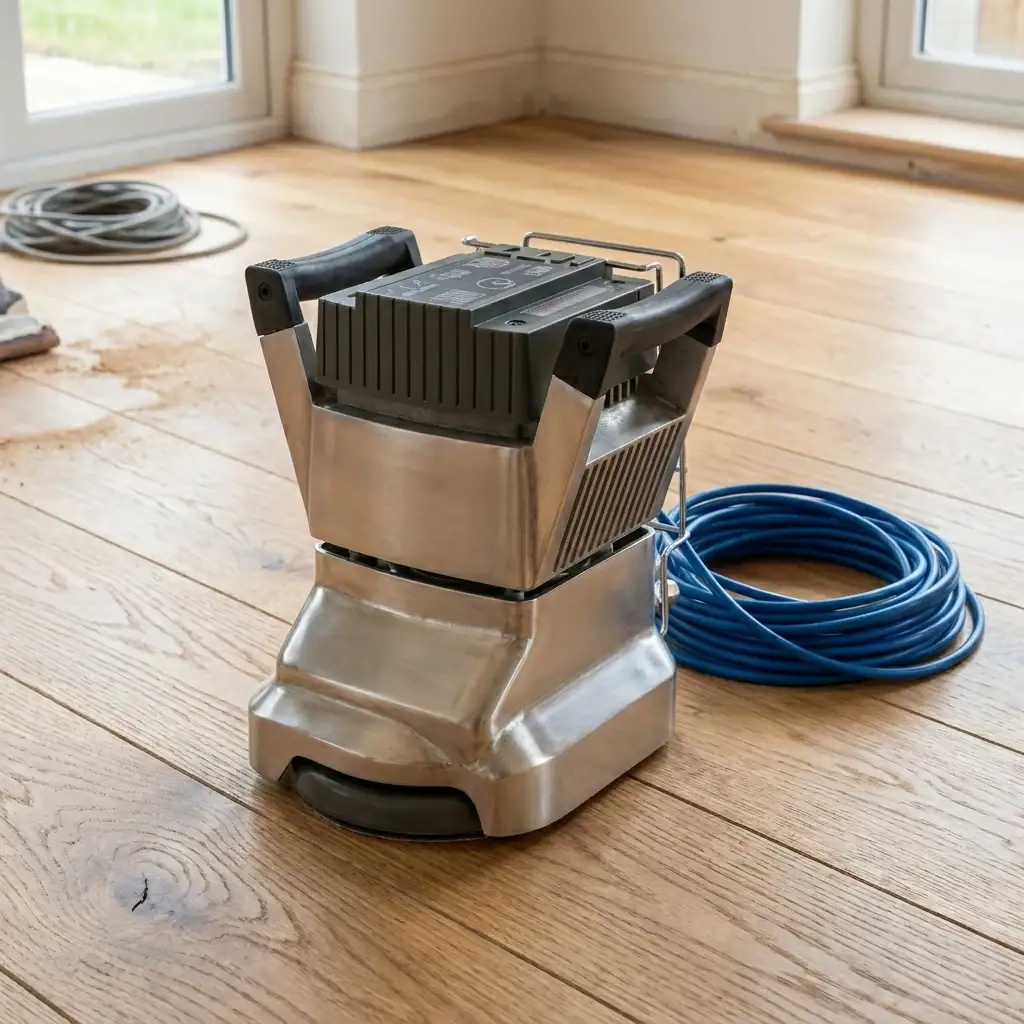
Your machine: Hiretech HT7 · British-built 7-inch disc edging sander · 240V · 178mm disc at 3,300 rpm · 16.4kg · deadman switch
READ THIS FIRST
Keep it moving — and let the switch do its job
TILT TO STARTKEEP IT MOVINGONE DISC ONLY
The switch is a deadman switch: hold it ON with your thumb, and the machine stops the instant you let go. That is the design, not a fault — it can never be locked on.
The rule that saves floors: never let the spinning disc sit still on the wood. Lower it while you are already sweeping side-to-side, keep sweeping, and tilt it up before you stop. A moment of dwelling cuts a mark; pressing harder does not sand faster — it burns.
KNOW YOUR MACHINE
Five things on this machine worth knowing
Deadman switchPush ON and hold with your thumb; release and it stops. The small light shows power is connected. Never wedge or tape it on.
Twin handlesBoth hands, always. Loop the cable in your right hand and over your right shoulder so it can never meet the disc.
Dust bagClips to the wire frame. Empty at the MAX line, never fuller. Paper bags are single-use — do not reuse them.
Disc & centre boltOne 178mm disc under the washer clamp, firmly tightened. The wrench lives in its own clips between the castors.
CastorsFactory-set — they control how the pad meets the floor. If sanding looks uneven, call us; do not adjust them.
QUICK START
Six steps and you are sanding
1Punch every nailBelow the surface, the whole area. One nail strike shreds the disc and scars the pad.
2Fit ONE discUnplug, flip the machine onto its top and handles, wrench from its clips, centre bolt + washer, firm. Coarse discs sit proud at first — they seat in.
3Bag on, PPE onBag clipped to its frame. Dust mask and ear defenders on — this machine runs at 100 dB(A).
4Kneel behind itOne knee down, cable over your right shoulder, both hands on the handles, disc tilted OFF the floor.
5Switch, then sweepThumb holds the switch ON. Lower the disc gently while already moving side-to-side.
6Stop the right wayTilt up or release the switch BEFORE you stop moving. Empty the bag every time it reaches MAX.
GRIT GUIDE
Work through the grades — never skip
24 strips old varnish and levels50/60 removes the 24-grit scratches80 refines120 final pass
Match your edger grit to whatever the drum sander just used on the main floor, and vacuum between grades. Skipping a grade is what leaves swirl marks.
WHILE IT’S RUNNING
All of this is normal
NORMALIt stops the instant you let goThe deadman switch doing its job. Hold it with your thumb while you work.
NORMALA new coarse disc sits proudFresh 24s and 36s do not lie perfectly flat until they have seated in. Give them a minute of work.
NORMALSwirl marks after coarse grits24-grit leaves its own scratches by design — the finer grades remove them. That is what the sequence is for.
NORMALThe bag fills fast on old varnishStripping coats makes a lot of dust. Empty at MAX, every time — pickup drops sharply past the line.
NORMALThe motor note changes with pressureHear it labouring? You are pressing. Ease off and let the weight of the machine do the sanding.
NORMALA film of fine dust between gradesNo edger catches everything. Vacuum between grits — it also stops loose grit scratching the next pass.
TROUBLESHOOTING
Something not right? Start here
Written the way people actually describe it. Each fix takes about a minute.
MOST COMMON“It has dug a mark into the floor”
USUAL CAUSE
The spinning disc sat still on the wood — a moment of dwelling, dropping it flat, or leaning on it.THE FIX
Lower it only while already sweeping, and tilt up before you stop. A shallow mark sands out: go back to the coarsest grit you used, feather a wider area, then work back up the grades.
The spinning disc sat still on the wood — a moment of dwelling, dropping it flat, or leaning on it.THE FIX
Lower it only while already sweeping, and tilt up before you stop. A shallow mark sands out: go back to the coarsest grit you used, feather a wider area, then work back up the grades.
“It will not start”
USUAL CAUSE
No power at the socket, a tripped RCD, or a long thin extension lead.THE FIX
Direct socket, RCD reset, lead fully unwound or none. Still dead? Stop and call us — internal parts are our job, not yours.
No power at the socket, a tripped RCD, or a long thin extension lead.THE FIX
Direct socket, RCD reset, lead fully unwound or none. Still dead? Stop and call us — internal parts are our job, not yours.
“It stops every time I let go”
USUAL CAUSE
The deadman switch — it is designed to do exactly that and cannot be locked on.THE FIX
Hold the switch with your thumb while sanding. Two-handed grip stays on the handles.
The deadman switch — it is designed to do exactly that and cannot be locked on.THE FIX
Hold the switch with your thumb while sanding. Two-handed grip stays on the handles.
“Swirl marks everywhere”
USUAL CAUSE
A grade got skipped, or the last grit was too coarse for the finish.THE FIX
Drop back one grade and work through 24, 50/60, 80, 120 in order — and vacuum between grades so loose grit cannot scratch.
A grade got skipped, or the last grit was too coarse for the finish.THE FIX
Drop back one grade and work through 24, 50/60, 80, 120 in order — and vacuum between grades so loose grit cannot scratch.
“Dust pickup has gone poor”
USUAL CAUSE
Bag past the MAX line, a reused or holed bag, or a blocked throat.THE FIX
Empty at MAX, fit a fresh paper bag, check the bag frame seal. Pickup returns instantly.
Bag past the MAX line, a reused or holed bag, or a blocked throat.THE FIX
Empty at MAX, fit a fresh paper bag, check the bag frame seal. Pickup returns instantly.
“The disc ripped”
USUAL CAUSE
A nail strike — or more than one disc stacked under the clamp.THE FIX
Punch every nail below the surface and fit exactly ONE disc, firmly clamped. Discs are consumables; nails are the killer.
A nail strike — or more than one disc stacked under the clamp.THE FIX
Punch every nail below the surface and fit exactly ONE disc, firmly clamped. Discs are consumables; nails are the killer.
“It smells hot or leaves burn marks”
USUAL CAUSE
Pressing down or dwelling — the disc glazes, burns the wood and labours the motor.THE FIX
Ease right off, let the machine’s own weight cut, and run it off the floor for a minute to cool.
Pressing down or dwelling — the disc glazes, burns the wood and labours the motor.THE FIX
Ease right off, let the machine’s own weight cut, and run it off the floor for a minute to cool.
Before you call us — the 30-second check
✅ Nails punched below the surface?✅ One disc, firmly clamped?✅ Bag under MAX and clipped on?✅ Working through the grades in order?
All four yes and still stuck? Two minutes on WhatsApp usually sorts it — send us a photo.
SAFETY
Five rules — that’s all
Unplug before touching the disc or flipping the machine over. Every time, no exceptions.
Never wedge or tape the deadman switch on. It is the machine’s main safety device.
Sanding dust is a fire and explosion risk: empty the bag at MAX, never leave dust in the machine overnight, and no smoking or flames in the room.
RCD-protected socket, cable over your shoulder and away from the disc, fully unwound if extended.
Mask and ear defenders on whenever it runs — 100 dB(A) at one metre is genuinely loud.
END OF HIRE
Before we collect — two minutes
1Empty the dust bag completely and dispose of the dust cold — never hand the machine back with dust inside.
2Remove the last disc and clip the wrench back into its home between the castors.
3Coil the 7-metre cable loosely and give the body a quick wipe-down.
Handed back like this, your deposit goes straight back — no questions, no delays.
Procedures and specifications from Hiretech’s official HT7 owner’s manual — Hiretech of Watford has built floor sanders for the hire industry since 1974, and this British-made edger is the trade standard. Guide by The Hireload Team.
ID Required
Valid photo ID at delivery. Hire terms
Related products
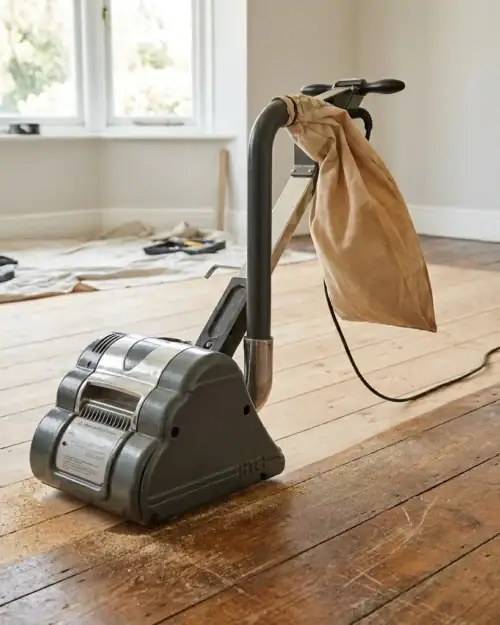
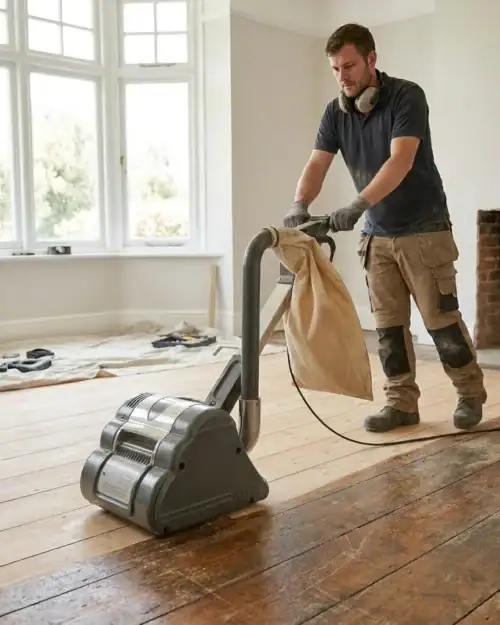
Floor Sanders
£13.99 - £99.99 + VAT
Latest estimated delivery date: Monday 26 October
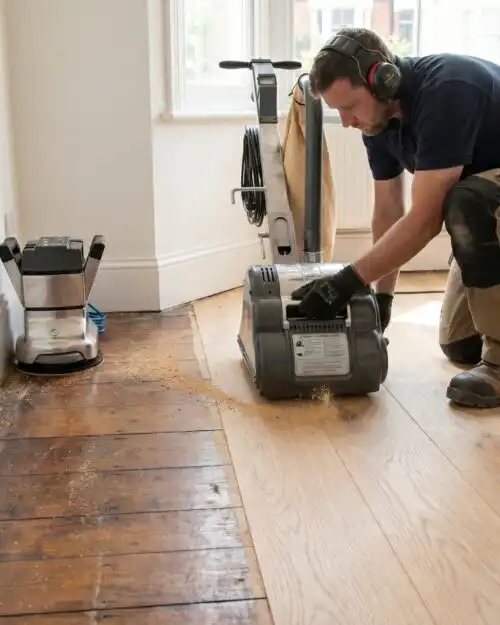
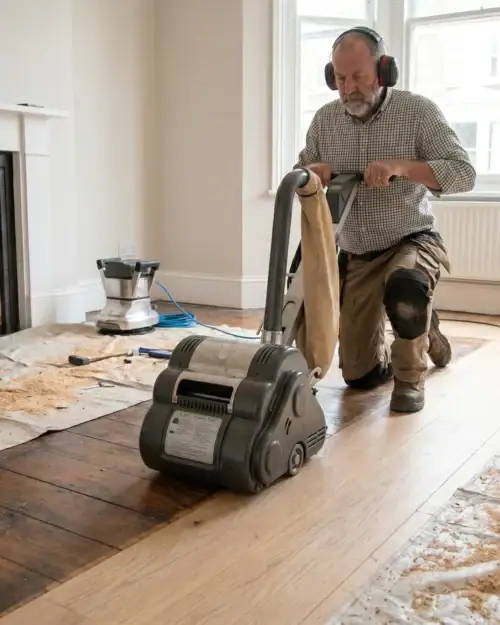
£19.99 - £149.99 + VAT
Latest estimated delivery date: Monday 26 October
 Drone Survey & Mapping
 Drone Inspections