 Drone Services
 Access Equipment
 Breaking & Drilling
 Cleaning Equipment
 Drying & Heating
 General Site Tools
Multi-room flood
Good fit
Source resolved first.

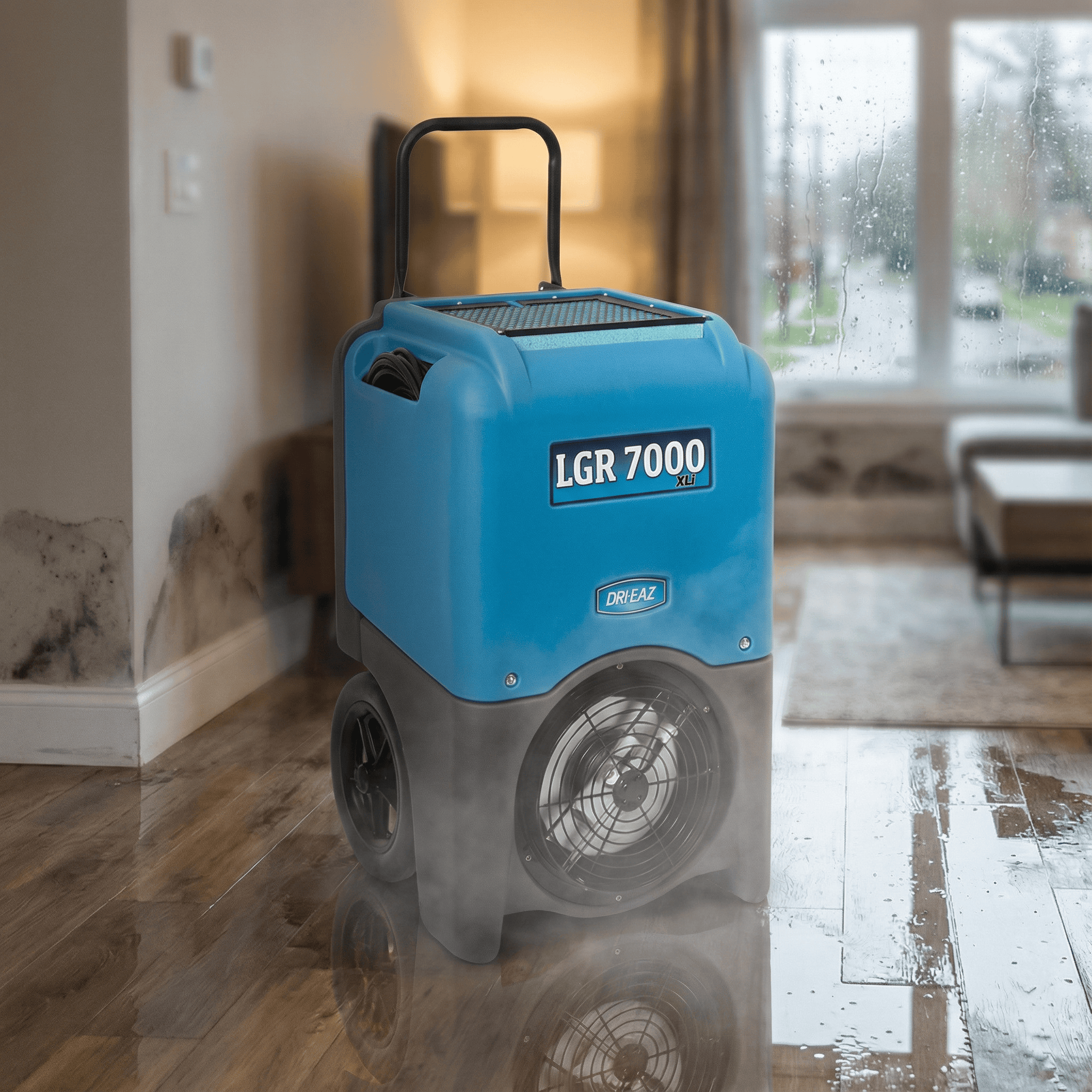
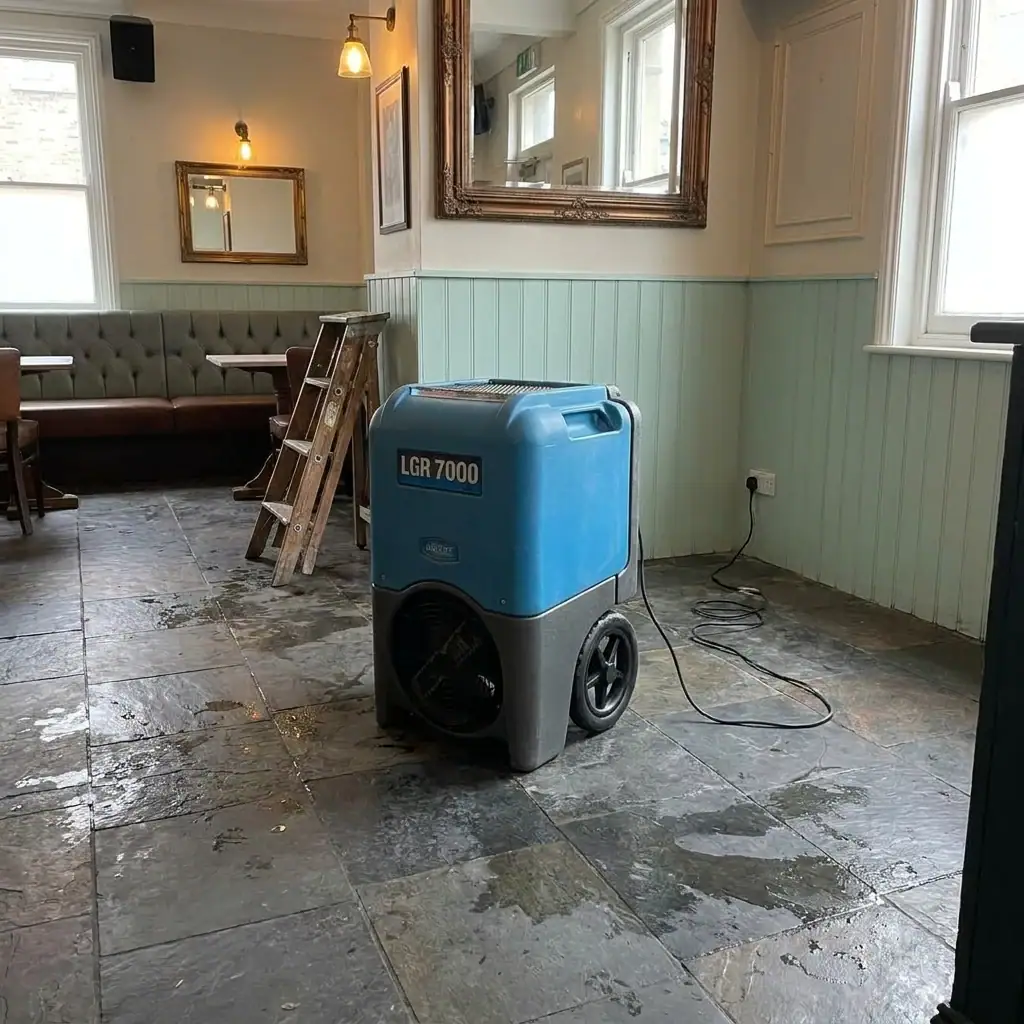
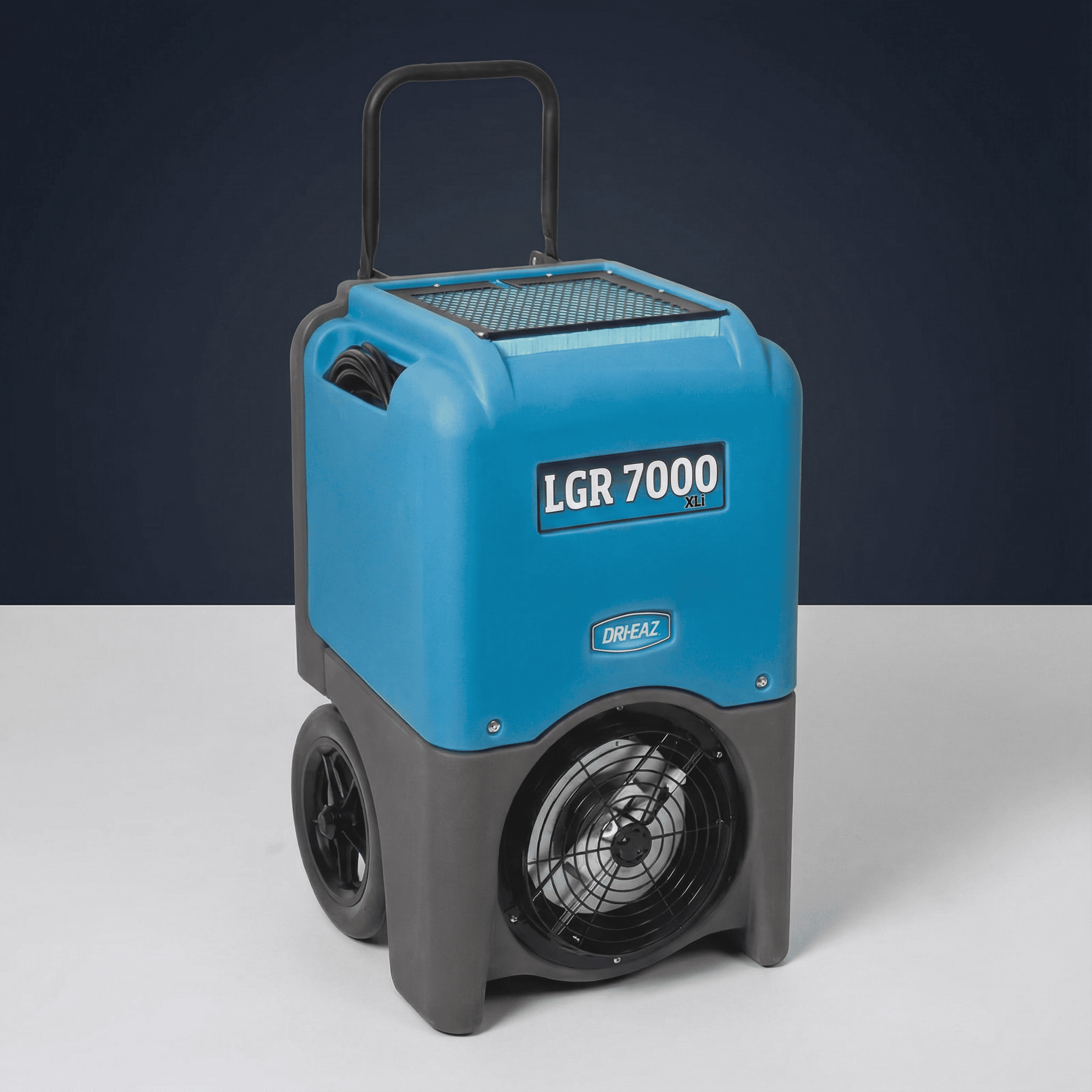
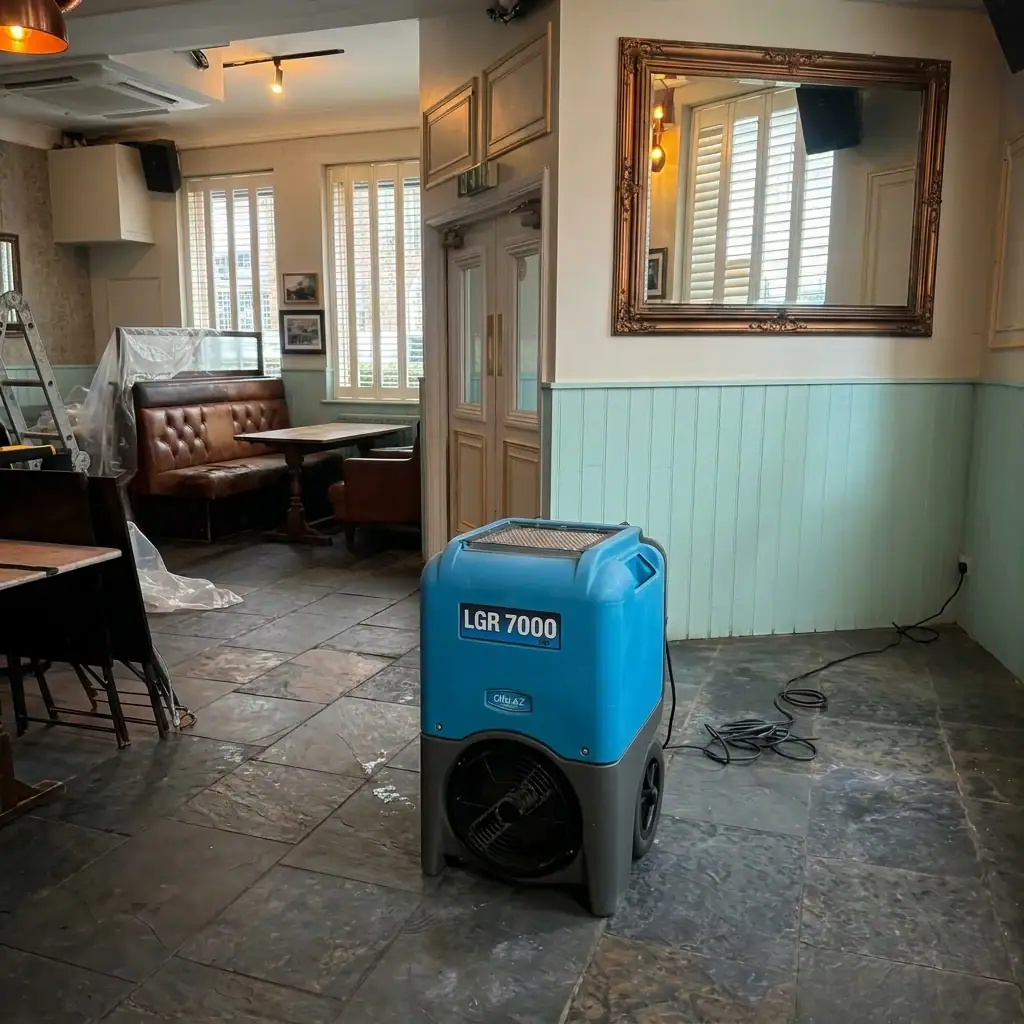
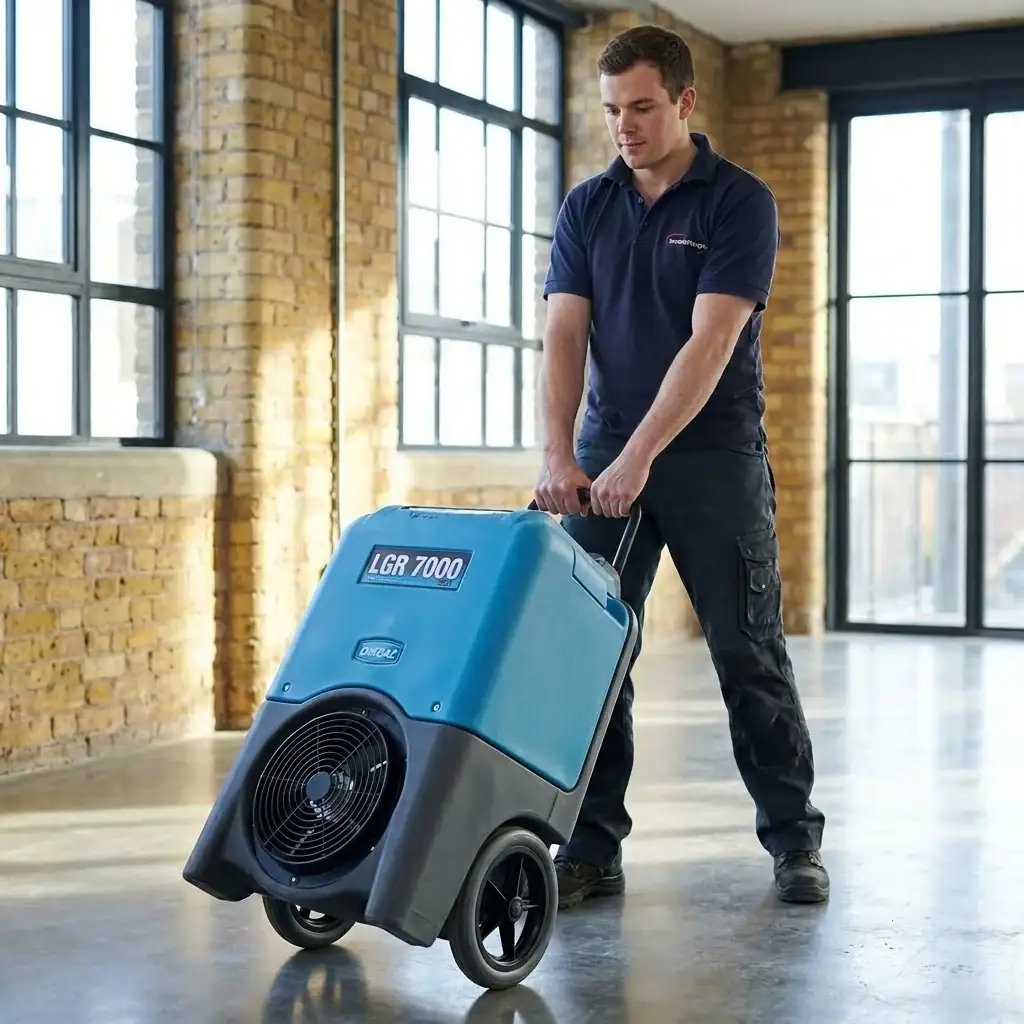
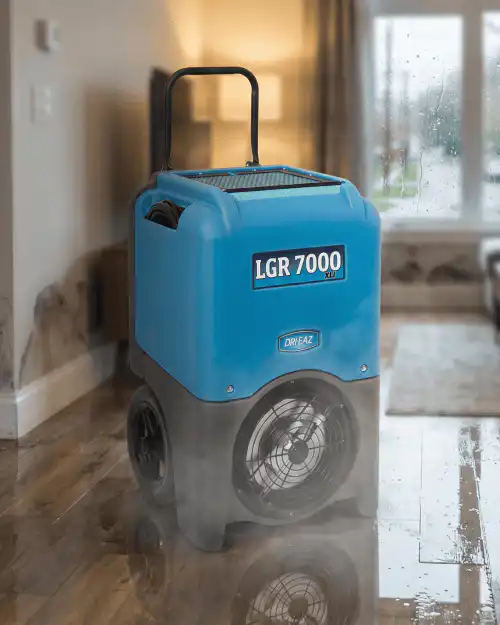
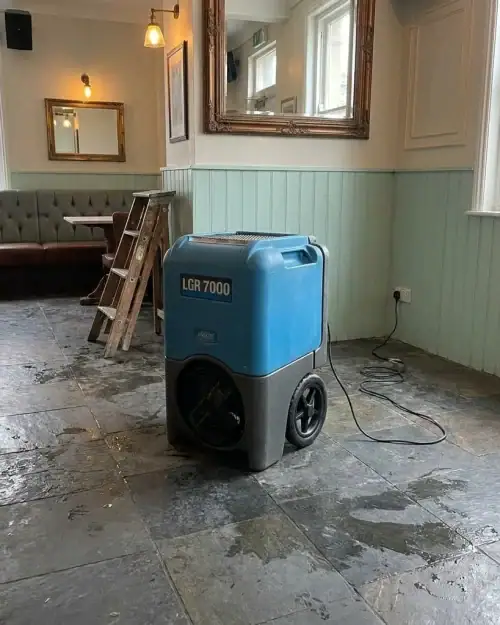
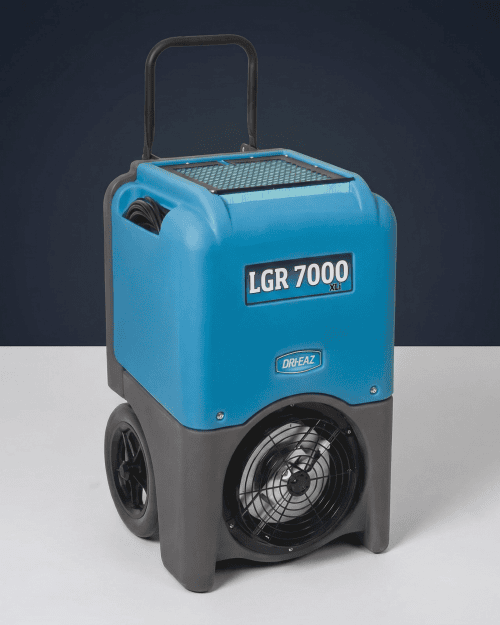
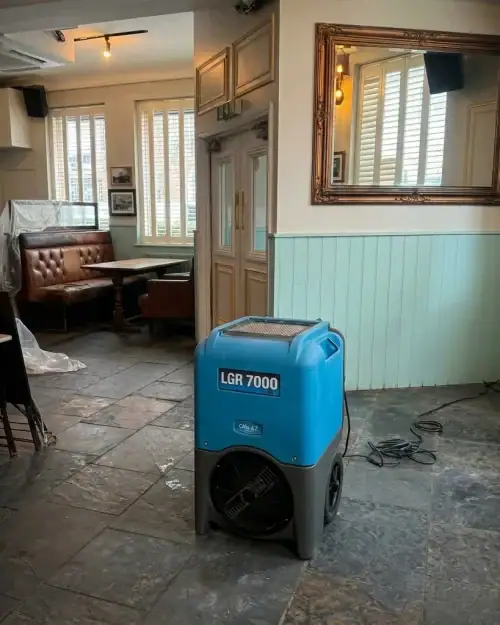
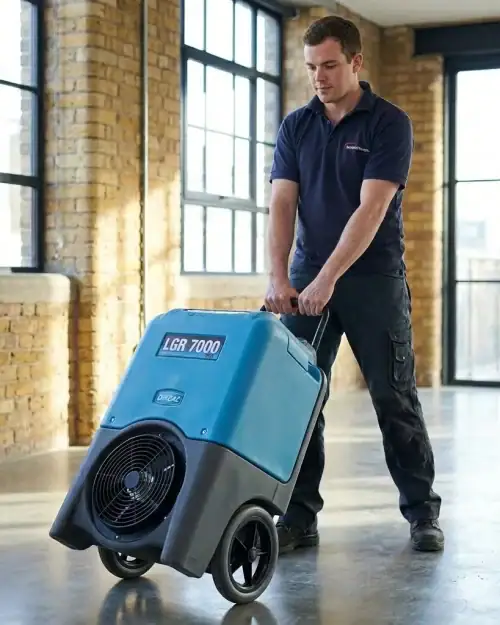
Extra Large Low Grain Industrial Dehumidifier Hire London (90–95L class) for restoration, large wet flooring and commercial humidity control. Low Grain performance helps it keep working even as humidity drops. Fast booking with London delivery & collection.
📖 Instruction manual included — tap to read the 2-minute guide
Industrial · LGR class · 95L · Dri-Eaz LGR 7000XLi · 230V
Designed to support larger drying projects such as multi-room flood recovery, large open-plan areas, screed and structural drying — where a smaller refrigerant unit may not be enough on its own.
Hire-grade Dri-Eaz LGR 7000XLi hire — part of our industrial building dryer hire London range, supplied as the 230V UK version. The largest LGR class in the Hireload range, commonly chosen for commercial drying support, post-construction work, and large or multi-room moisture jobs.
Top of the LGR range
Where 95L sits in the range
The 95L LGR 7000XLi sits at the top of our dehumidifier hire range. Below it are smaller options for lighter jobs, tighter spaces or lower moisture loads. If you’re unsure which size is suitable, speak to us before booking.
Job by job
Quick guide only — every job is different. Setup, run length and pairing depend on temperature, airflow, room size and moisture level.
Good fit
Source resolved first.
Good fit
Larger volume support.
Good fit
Where conditions allow.
Good fit
Refurb & fit-out support.
Good fit
Walls, joists, fabric.
Check first
Performance varies with temp.
Fix source first
Resolve water entry first.
Not the fix
Different remediation needed.
Usually step down
Smaller unit usually fits.
Multi-unit setup
Speak to us before booking.
Lab rating vs real site
Up to 95L/day is a maximum extraction class — a lab-style rating, not a guaranteed daily real-site output. Actual figures depend on the room, the moisture, and how the job is set up.
Heavier loads — saturated walls, screeds, soft furnishings — extend drying time and reduce daily extraction figures.
Air movers and a closed drying zone — doors and windows shut where appropriate — typically support better real-site results.
Refrigerant performance varies with temperature. Very cold sites can affect output — even with high-capacity LGR units.
For very large or open-plan areas, multiple units may be more sensible than a single high-capacity dehumidifier.
Pair it properly
On bigger drying jobs the 95L LGR is rarely used alone. Where appropriate, it’s commonly paired with airflow, controlled heat, drainage and containment — to help the drying process work as a system rather than a single unit.
Help direct moist air past wet surfaces — carpets, underlay, walls and skirtings.
Where appropriate, gentle controlled warmth can help drying — follow site and material guidance.
Can support longer running periods where set up correctly with a suitable drain.
Closed drying zones plus moisture readings before stopping help keep results sensible.
How hire works
Practical steps for hiring a 95L LGR building dryer in London. Confirm details at booking; service options are subject to availability and access.
Tell us the property, room size and moisture issue.
Agree the right unit and check access on site.
London delivery options — confirmed at booking.
Plug into a standard UK socket and start the job.
Track moisture progress before stopping the run.
We arrange collection — extend the hire if required.
FAQ
Common questions about high-capacity LGR drying support, large-area moisture control, and choosing the right capacity.
The 95L LGR is commonly chosen for larger drying support — multi-room flood recovery, large open-plan damp areas, screed and construction drying, commercial humidity control and structural drying. It is the largest LGR class in the Hireload range, and is most often used on jobs that may be too large for a 55L or 63L unit alone.
If the job covers multiple rooms, a large open-plan area, a commercial space, or significant structural / screed drying, a higher-capacity LGR may be more sensible. If the area is a single occupied bedroom or a small post-leak room, a smaller unit is often the more appropriate choice. Speak to us if you’re unsure.
Yes. Our 95L LGR hire is supplied as the 230V UK version — runs from a standard UK socket. No three-phase or specialist wiring required.
It is commonly used for flood and water-damage drying support, once the source has been resolved and standing water cleared. For very large or whole-building floods, multiple units or a larger drying package may be more suitable — speak to us so we can size the job before booking.
It can support screed and construction drying where humidity needs to be managed during the schedule. Always follow material drying guidance from the contractor or manufacturer — drying targets and timeframes vary by build.
For larger flood, structural and refurbishment jobs, often yes. Pairing the LGR with air movers helps direct airflow at wet surfaces. Ask us if you’d like to add air movers to the booking — available separately, subject to availability.
Drying time varies by site. Room size, temperature, airflow, moisture level, materials affected, containment, and whether the moisture source has been resolved all affect the result. We don’t guarantee specific drying times.
Yes — it’s commonly used for commercial humidity and drying support in retail, warehouse, office and hospitality settings, where appropriate. Check site access, power and noise considerations before booking; confirm details with us if you’re unsure.
Yes. The “up to 95L/day” figure is a maximum extraction class, not a guaranteed real-site output. Actual results depend on temperature, relative humidity, airflow, room size, moisture load, containment and how the job is set up.
Yes — London delivery and collection options are available. Service times depend on the address, access and availability; details are confirmed at booking.
Sizing a larger drying setup?
Tell us the property type, room size, moisture issue, temperature and access — we’ll help you choose a sensible setup from the Hireload drying range.
Guidance on this page is general and based on typical high-capacity LGR refrigerant dehumidifier performance (Dri-Eaz LGR 7000XLi, 230V). Drying time and outcomes depend on room size, temperature, airflow, moisture level, the cause of the damp and whether the source has been resolved. A dehumidifier can help reduce moisture but is not a substitute for fixing leaks, removing existing mould or addressing structural damp. For very large multi-area floods, very cold sites or any uncertainty about suitability, see our full dehumidifier range or speak to our team.
Your machine: Dri-Eaz LGR 7000XLi · 95L class · 230V · automatic pump-out. The biggest dryer in our fleet — and one of the easiest to run.
Read this first
Like every machine in this family, it counts down about 60 seconds at start-up before the compressor kicks in, and runs a short defrost routine at switch-off. Both are normal — wait them out, never pull the plug mid-cycle.
Quick start
Travelled on its side? Leave it standing for 30 minutes before you plug in.
Central to the wet area, 30cm of clear space around the inlet and outlet.
Push the quick-connect fitting until it clicks. Uncoil the hose fully — no kinks — and secure the end in a sink, drain or gully.
On a building site, close off the zone you are drying as best you can.
Standard 230V socket, no extension leads. Wait out the 60-second countdown.
Continuous running is what it is built for. It purges itself through the hose as it works.
Know your display
The display cycles through temperature, humidity and running hours. Falling humidity numbers = the space is drying.
Manually empties the pump and hose — use it before moving the machine and at the end of the hire.
Delivered set to run continuously — correct for drying jobs. The target setting lives in the display menu; leave it as delivered unless we have set it for you.
No assembly, no settings to make. Hose on, plug in, switch on.
While it’s running
Compressor protection delay, every single start. Not a fault.
The automatic pump-out doing its job through the hose.
That is the drying process — on a cold site it helps the room along.
Defrost pauses in cooler spaces. It melts frost off the coil, then carries on.
A drying building releases less moisture each day. Success, not failure.
It may show a defrost or drying message before it powers down. Let it finish.
Troubleshooting
Written the way people actually describe it. Each fix takes about a minute.
That IS it starting. The 60-second compressor delay runs at every start.
Wait for the countdown to finish. Nothing after that? Check the plug, the socket and the fuse board, then try another socket.
A coiled or kinked hose, a quick-connect not clicked fully home, or the space is simply getting dry.
Uncoil the hose fully and re-click the fitting. Press PURGE and listen for the pump working. Falling numbers on screen mean it is drying even when the hose runs quiet.
The pump and hose still held water — the machine was moved before purging.
Before any move: switch off, let the shutdown finish, press PURGE, then drain what is left in the hose itself.
Defrost pauses — on cooler sites it stops to melt frost off the coil, on purpose.
Nothing needed. Adding a little heat to the space shortens the pauses and speeds the whole job up.
Power interruption on site, or the socket circuit has tripped.
Check the site supply and the fuse board. If a message is on screen, press the menu button to clear it. Repeatedly tripping the circuit? Call us.
Structural drying is a long game — walls, screed and timber release moisture for days after the air feels dry.
Keep it running with the zone closed. Judge by the falling numbers on the display — deep-soaked fabric dries at roughly an inch a month.
All four yes and still stuck? Two minutes on WhatsApp usually sorts it.
Safety
End of hire
Handed back like this, your deposit goes straight back — no questions, no delays.
ID Required
Valid photo ID at delivery. Hire terms
Drying & Heating
Drying & Heating
Drying & Heating
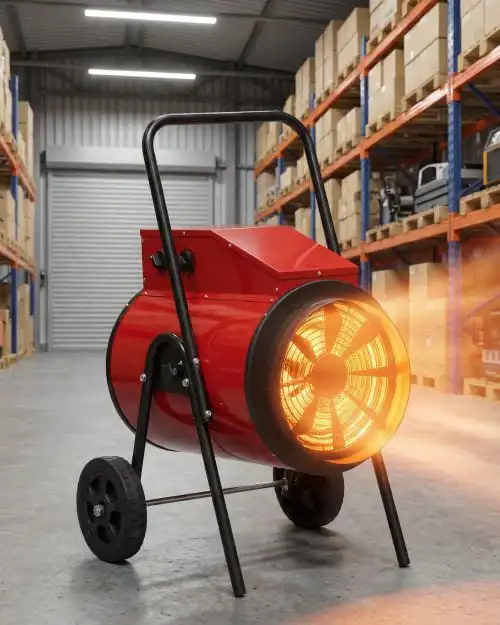
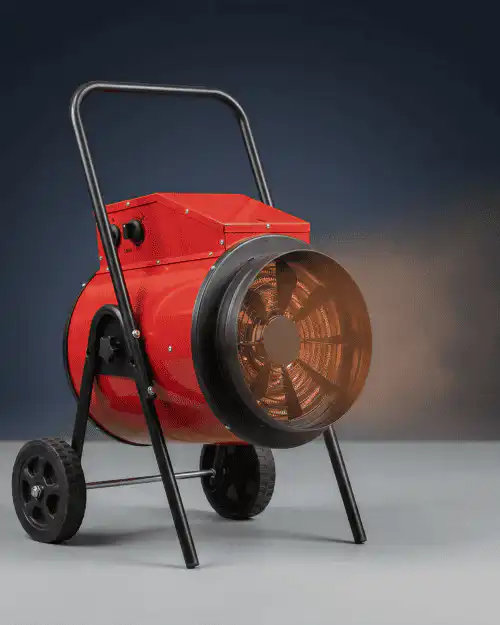
15kW Industrial Electric Fan Heater Hire (3-Phase) – Medium Site & Warehouse Heater
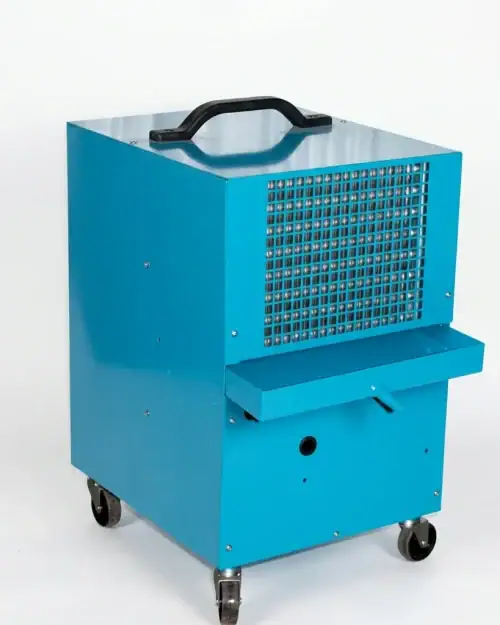
Dehumidifier Hire London
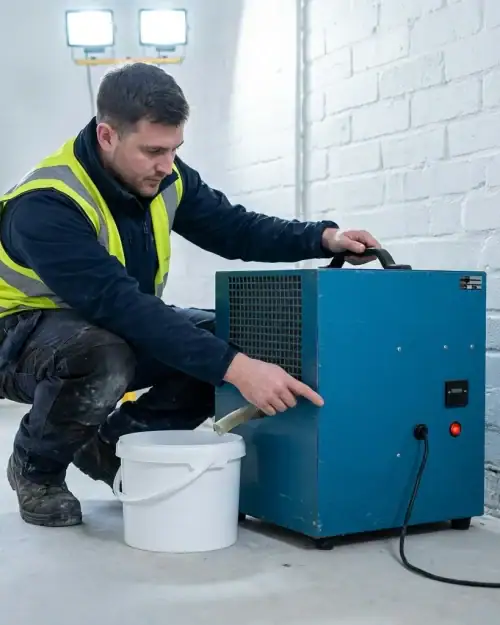
Dehumidifier Hire London | Heavy-Duty Drying for Homes & Flats (38L/Day)
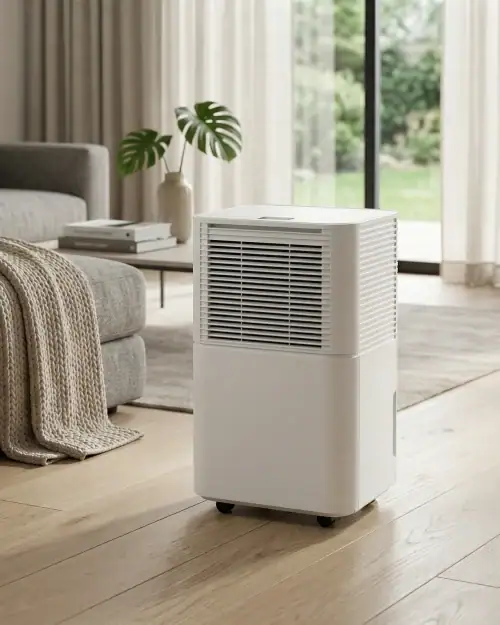
Dehumidifier Hire London
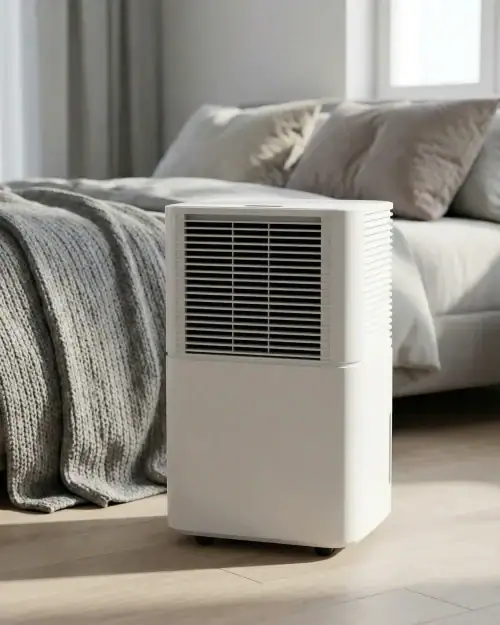
Compact Domestic Dehumidifier Hire London | 20L 230V for Homes & Flats
Drying & Heating
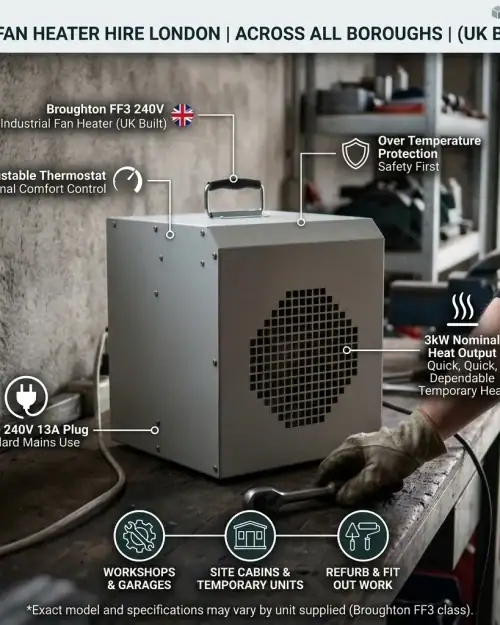
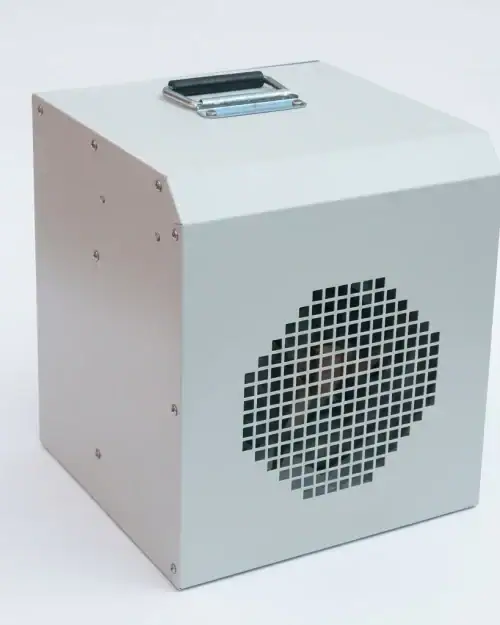
3kW Fan Heater Hire London | Broughton Industrial 240V (UK Built)
If you hired from Hireload without an account, enter the email you booked with. We’ll email you a link to set up your account, where you can see your hires and extend them online.

 Drone Survey & Mapping
 Drone Inspections