
 Drone Services
 Access Equipment
 Breaking & Drilling
 Cleaning Equipment
 Drying & Heating
 General Site Tools
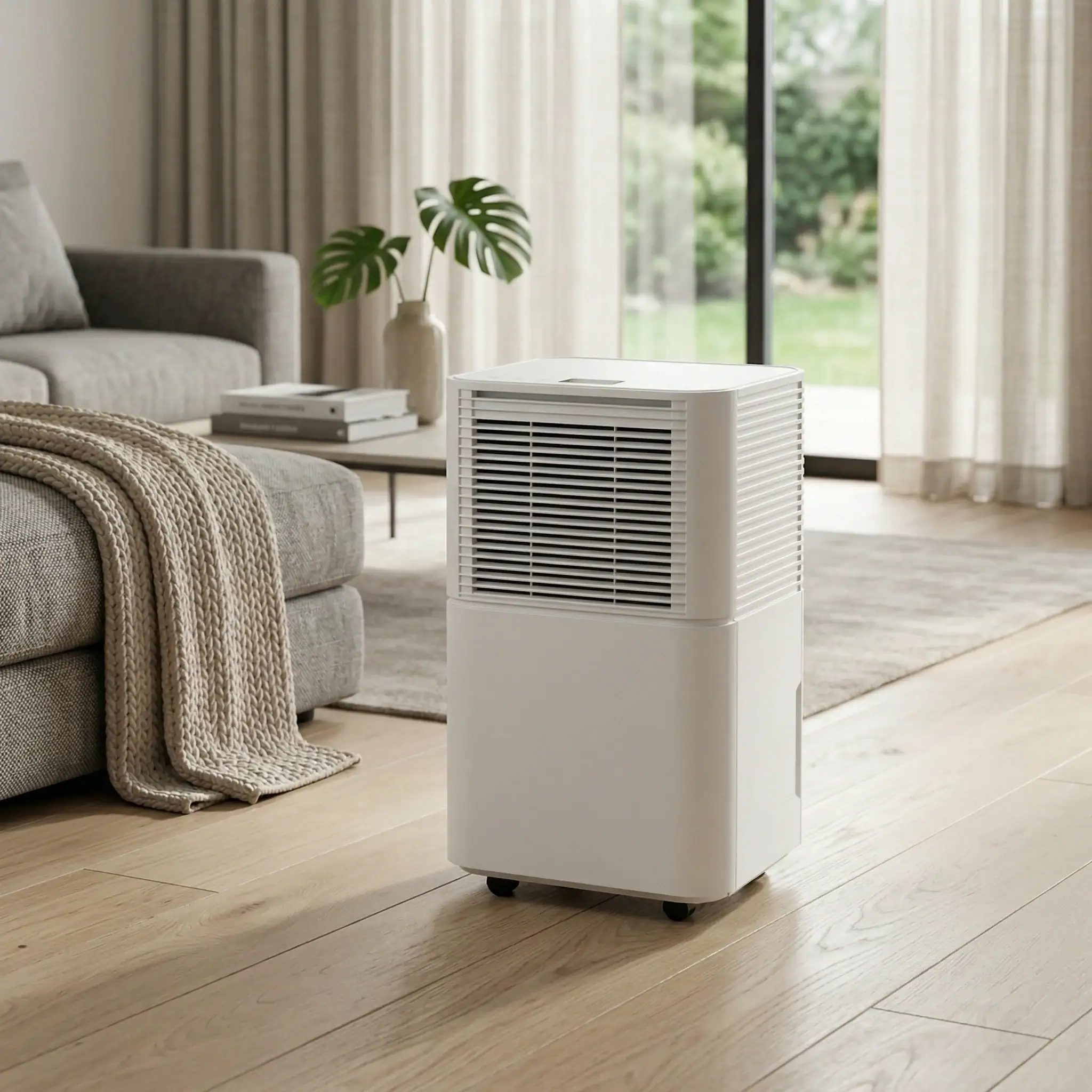
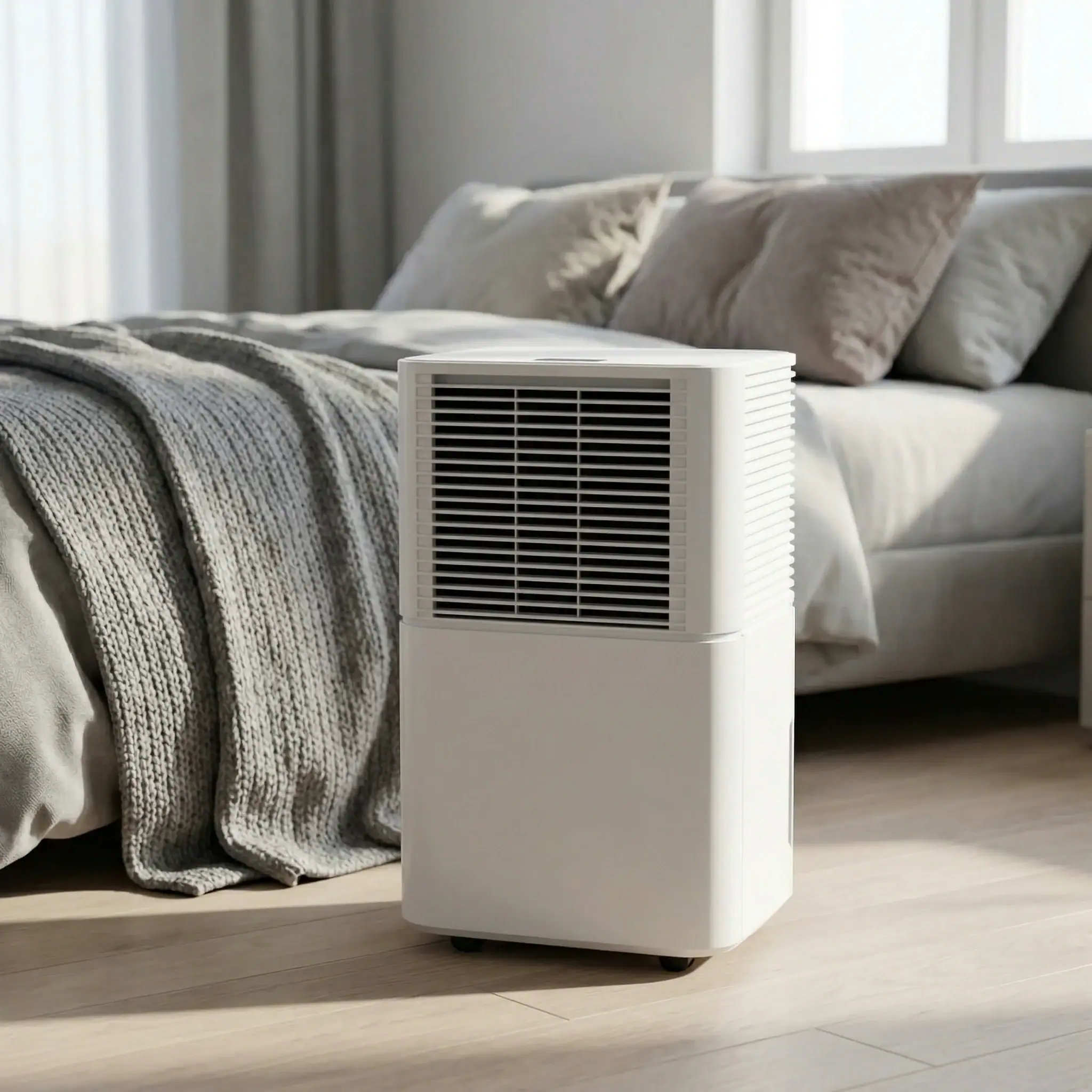
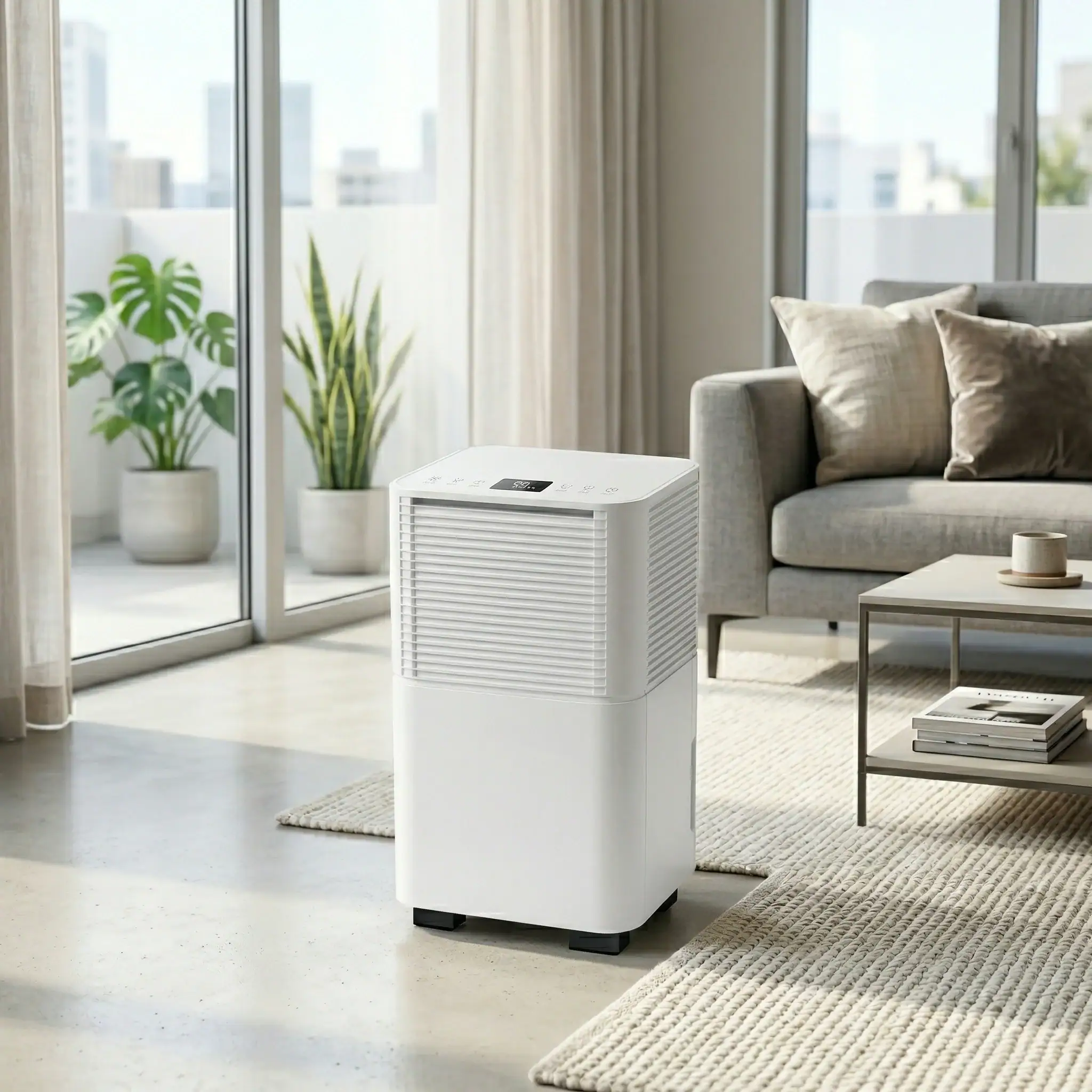
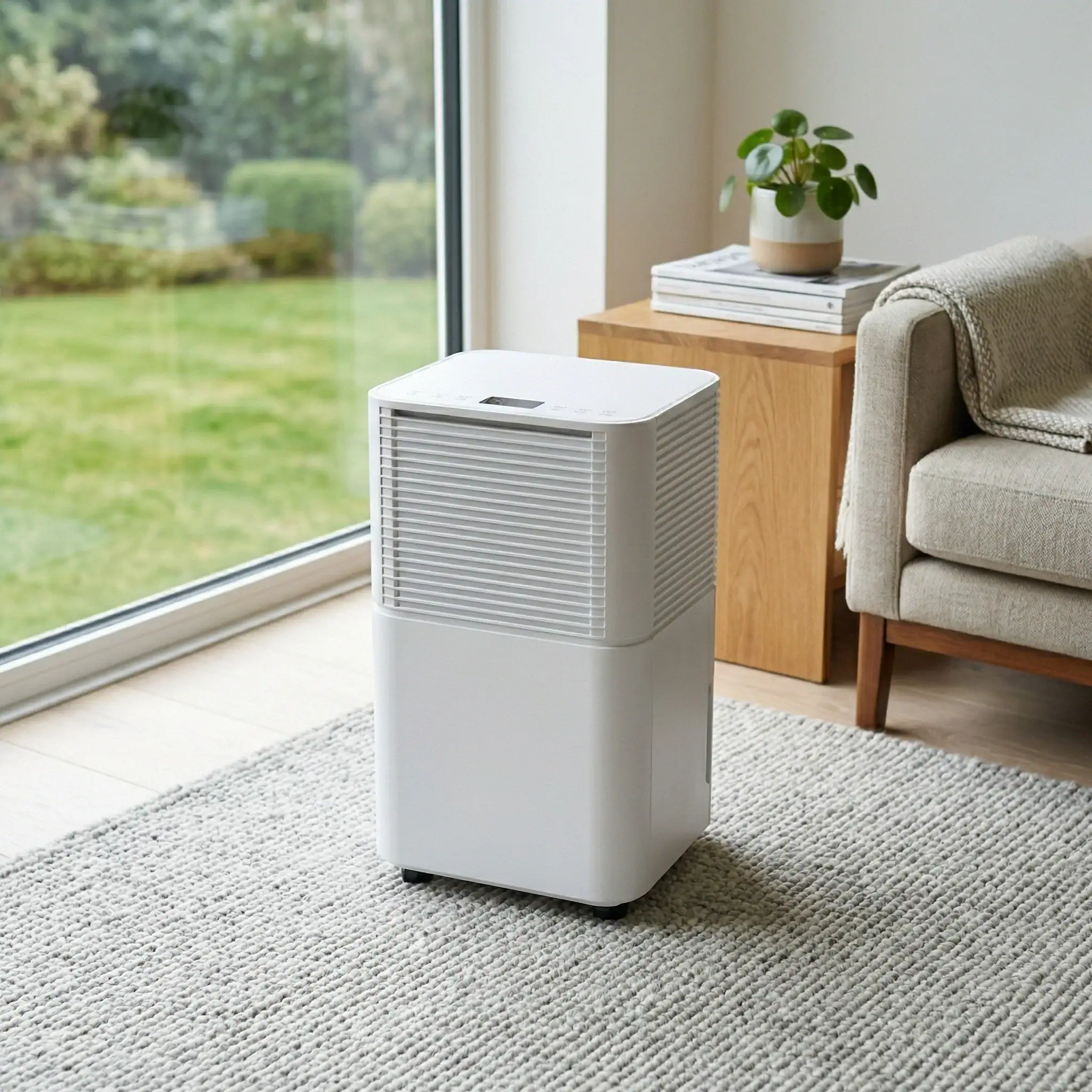

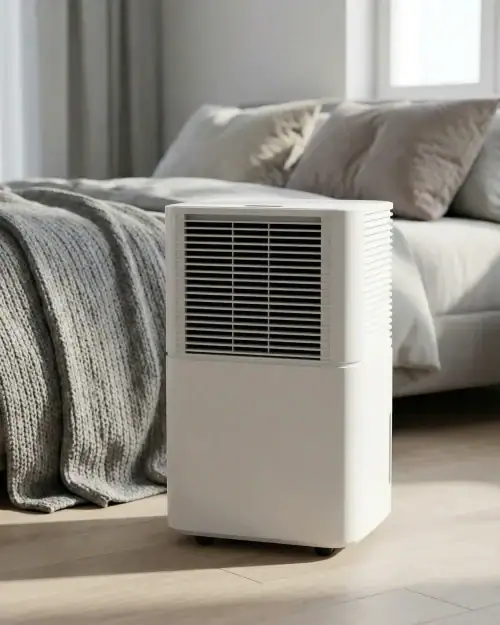

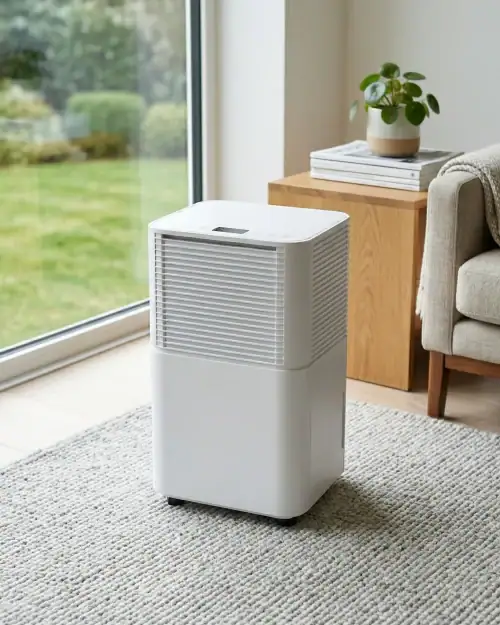

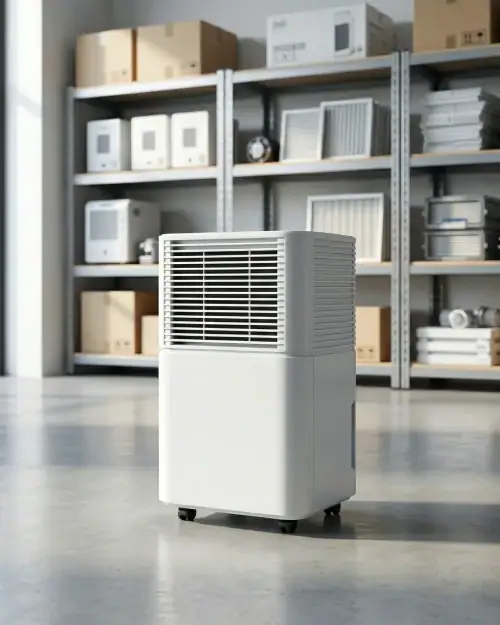

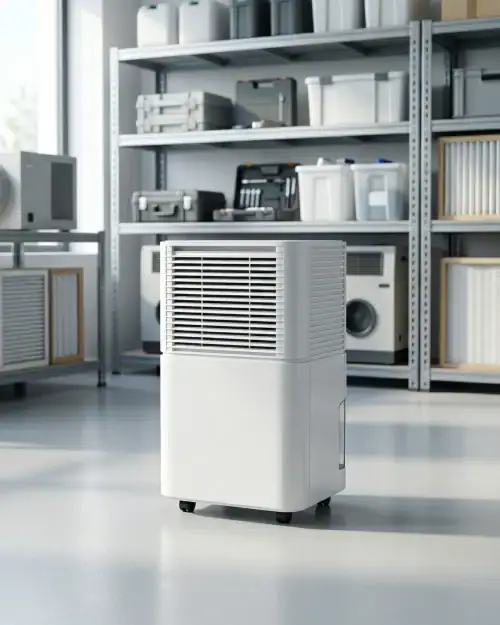
Compact Domestic Dehumidifier Hire London | 20L 230V for Homes & Flats
From £19.99
+ VAT · 1 day
2 days £24.99 · up to a week £34.99 · longer from £4.50 a day
Pick your dates below for your exact price.
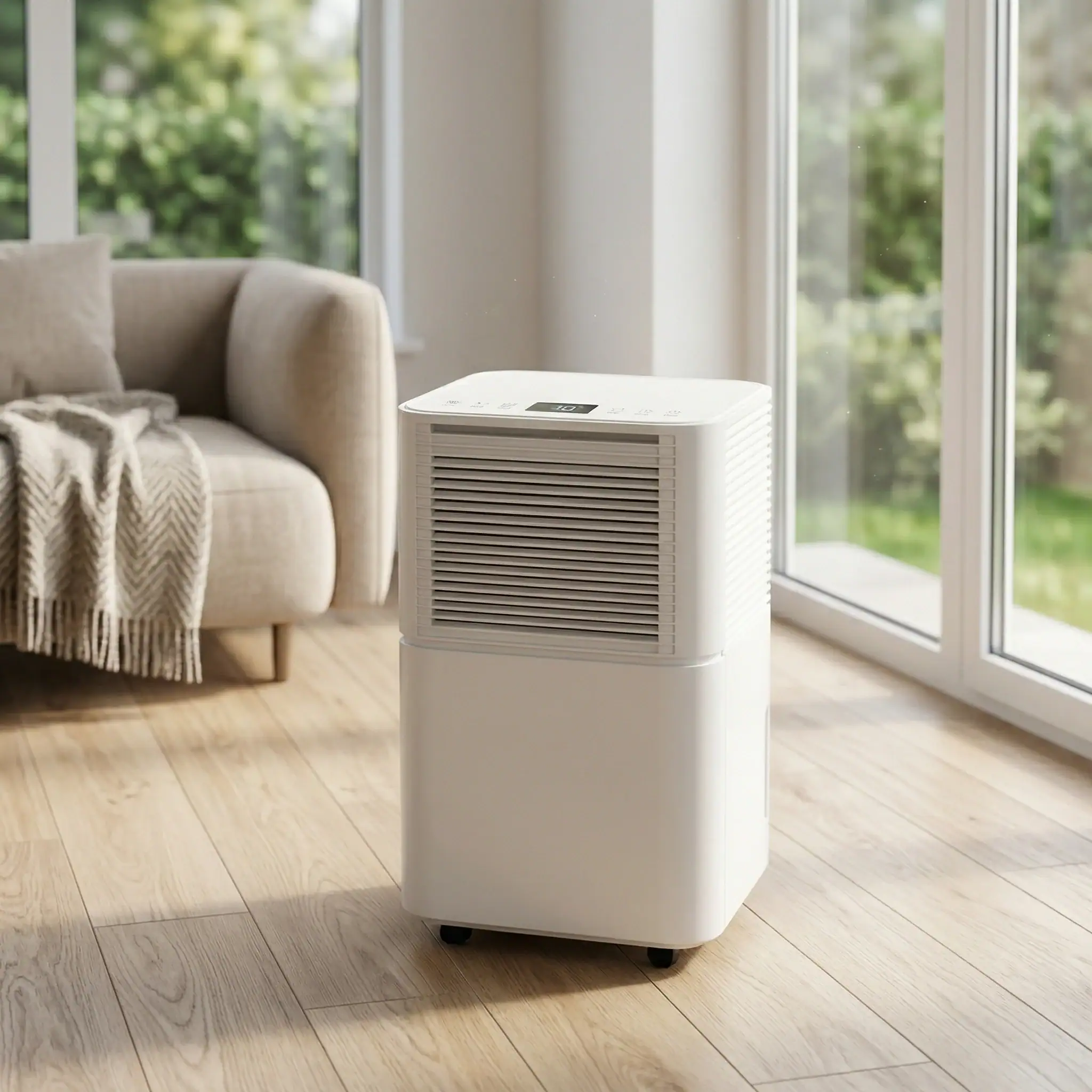
Compact 20L domestic dehumidifier for hire. Handles condensation, damp and post-leak drying in rooms up to 50 m². Plugs into a standard UK socket. Delivered from our Greenford UB6 depot.
 CHAS Verified
5.0 on Google
100% Satisfaction
 WhatsApp Support
📖 Instruction manual included — tap to read the 2-minute guide
Day based pricing : Compact Domestic Dehumidifier – (19 L)
1 - 1 days :
£19.99 Fixed
2 - 2 days :
£24.99 Fixed
3 - 7 days :
£34.99 Fixed
8 - 365 days :
£4.50 / Day
Latest estimated delivery date: Tuesday 6 October
Compact Domestic Dehumidifier Hire — 20L-class
Single-Room Moisture Control · Condensation & Damp Support · Delivered from UB6
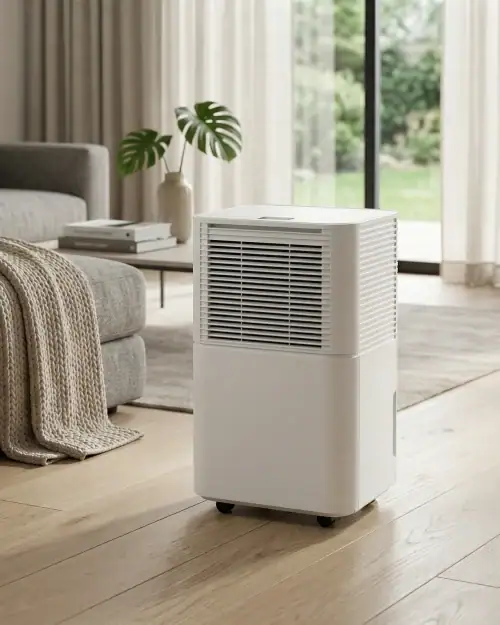
A compact refrigerant dehumidifier for domestic rooms, flats and small occupied spaces. It plugs into a normal wall socket, pulls moisture out of the air, and collects it in a tank (or drains continuously if you connect the hose).
In plain terms: if your bedroom windows are dripping with condensation every morning, your bathroom always smells damp, or you’ve had a small leak fixed and the room still feels wet — this is the unit you’d start with. It won’t dry a whole flat or a building site, but for one room at a time it does the job quietly enough to run overnight.
Best forSingle room
PowerNormal 230V plug
DrainageTank or hose
DeliveryLondon from UB6
Where people use it
Common situations where a compact 20L-class unit is a good starting point
These are the jobs customers most often hire this unit for. If your situation sounds different, call us and we’ll tell you whether this is the right size.
Bedroom condensation
Bathroom damp
Living room damp
Drying laundry indoors
Light leak recovery
Light plaster drying
What it actually does
It pulls moisture out of the air so your room dries out faster
A dehumidifier doesn’t dry walls directly. It lowers the humidity in the air — and when the air gets drier than the damp surfaces around it, moisture starts moving out of those surfaces (walls, carpet, plaster) and into the air, where the unit can catch it.
Think of it like this: the dehumidifier makes the air “thirsty”, so it soaks up moisture from everything around it. The unit then condenses that moisture and drips it into a tank.
The target is around 45 to 55% relative humidity. That’s where condensation stops forming on windows, musty smells go away, and the conditions that lead to mould are no longer present.
Indoor Humidity Scale (RH%)
30%50%70%90%
Dry
Healthy
Damp
Mould risk
Healthy
Damp
Mould risk
Where you want to be: 45-55% RH
Where most damp rooms start: 70-80% RH
Room by room
Will it work in your room? Quick guide.
Green means this unit is a natural fit. Amber means it’ll work but you’re pushing it. Red means you probably need a bigger unit.
Our dehumidifier range
Where this unit sits in our hire range
If you’re not sure which size you need, this shows you what we have and what each one is designed for. Call us if you’re between sizes.
20LThis hire
Compact Domestic Dehumidifier
Single-room moisture, condensation and light damp. Bedrooms, bathrooms, hallways, small kitchens.
Selected
38LCommercial
38L Commercial Dehumidifier
Studio flats, post-leak drying, plastering support. When one room isn’t the whole job.
43LIndustrial
43L Compact Industrial Dehumidifier
Compact industrial unit for tight-access flood recovery and refurbishment drying.
63LLGR
63L LGR Industrial Dehumidifier
Low-Grain Refrigerant. Keeps extracting as humidity drops. Flood recovery, contractor use, cold sites.
What to expect
Rough drying timeline — what happens day by day
This is a rough guide, not a guarantee. How fast your room dries depends on how wet it is, how warm it is, how big it is, and whether the source of moisture has been fixed.
Day 1
Still wet
Water collecting in the tank. Windows still condensing. Room smells damp.
~80%RH
Day 2
Air starts clearing
Musty smell begins to lift. Less water on windows in the morning.
~70%RH
Day 3
Surfaces follow
Walls and soft furnishings start feeling drier to the touch.
~60%RH
Day 4
Feeling better
Room feels noticeably more comfortable. Condensation mostly gone.
~55%RH
Day 5
Monitor and hold
Keep running on auto mode. Check humidity before switching off.
~50%RH
Side by side
20L Compact vs our larger dehumidifiers
Not sure which size you need? This table shows what each unit is designed for. If you’re between two options, call us.
Real situations
Three jobs this unit handles well
Bigger job?
This unit isn’t always the right answer.
For multi-room dry-outs, fresh leaks with standing water, big plastering jobs, cold sites or insurance flood work — you need a bigger unit. Same depot, same delivery, same standards.
How hiring works
From booking to collection in five steps
Book online
Pick your delivery and return dates. Takes about 2 minutes.
We deliver
From our Greenford UB6 depot. Same-day available by phone.
Set it up
Plug it in, pick a target humidity, close the door. That’s it.
Let it run
Empty the tank when full, or connect the drain hose and let it get on with the job — just check the hose run stays downhill.
We collect
Done early? Call us and we’ll pick it up. No penalties for early return.
FAQ
Questions people ask before hiring this unit
If your question isn’t here, call 020 3375 4048 or WhatsApp us. We’d rather you ask than guess.
Is a 20L unit enough for my whole house?
No. This unit is built for one room at a time — up to about 50 m². If you need to dry multiple rooms, a studio flat, or a whole house, you’ll want the 38L commercial or one of our industrial units. Call us and we’ll tell you which size fits your situation.
Does “20 litres per day” mean it actually removes 20 litres every day?
Not in the real world. That figure comes from a lab test at 30°C and 80% humidity — basically tropical conditions. A normal UK room at 18-22°C is cooler and less humid, so the unit won’t hit that number daily. Think of “20L” as the size class. It tells you this is a compact domestic unit, not an industrial one.
Will it stop condensation on my bedroom windows?
In most cases, yes. Condensation forms when the air is too humid and hits a cold surface like a window. This unit pulls moisture out of the air, so there’s less of it to condense. Most customers see a noticeable difference within 2-3 days. Keep the room door closed while it’s running so it’s only working on that one room.
Can I use it after a leak?
Yes, if the leak has been fixed and any standing water has been mopped up. Put the unit in the affected room, close the door, and let it work. For soaked floors, multiple rooms, or cold spaces, you’ll need something bigger — call us and we’ll recommend the right size.
Can it dry plaster?
It can help, in the right conditions. If the room is warm (above about 18°C), ventilated, and you’ve only replastered a small area, this unit will lower the humidity around the plaster and help it dry faster. For cold rooms, large plastering jobs, or tight contractor deadlines, you’ll need a 38L or industrial unit.
Is it quiet enough to sleep through?
Most people say yes. At around 48 dB it’s roughly the same volume as a fridge. If you connect the continuous drain hose (where supplied), it won’t wake you up by beeping when the tank is full.
What plug does it need?
A normal UK 3-pin plug. Same socket as a kettle or a lamp. No special wiring, no adapters, no electrician needed.
Can it drain continuously so I don’t have to empty the tank?
Yes, a continuous drainage option is typically available (where supplied with the unit). You connect a hose to the back and run it to a drain or sink. The golden rule: the hose must run continuously downhill, with its end sitting LOWER than the outlet on the machine — gravity does the work, so any uphill section or kink stops the flow and the tank takes over. Avoid draining into a bucket where you can (an unwatched bucket overflows); if you must, use a large one and check it often. Set up correctly, it can run unattended or overnight.
What’s included in the hire?
The dehumidifier, ready to plug in and run. A continuous drain hose may be supplied where available. No assembly needed. If you’re not sure what comes with it, ask us when you book.
Do you deliver to my area?
We deliver across London from our Greenford depot (UB6). Enter your postcode at checkout to see the delivery charge for your area. You can also collect from the depot if you prefer.
Can it remove standing water from a carpet or floor?
No. A dehumidifier pulls moisture from the AIR — it cannot suck up puddles or soaked carpet. Remove standing water first with a wet vac or mop, then let the dehumidifier handle the moisture that is left in the air and materials. We hire wet & dry vacuums if you need one.
Does it remove mould?
No. Lower humidity helps stop mould coming back, but it will not clean mould that is already there — that needs treating separately, and the moisture source needs fixing. Think of the dehumidifier as prevention, not cure.
Can I use it in a bathroom?
Yes — after showering, not during. Keep the unit and its plug well away from splashes and standing water, run it with the door closed, and it will clear steam and condensation quickly.
Can I use it with an extension lead?
Plug it straight into a wall socket where possible. If you genuinely need an extension, use a fully unwound, properly rated lead in good condition — and keep it off any damp floor.
Do I need an air mover as well?
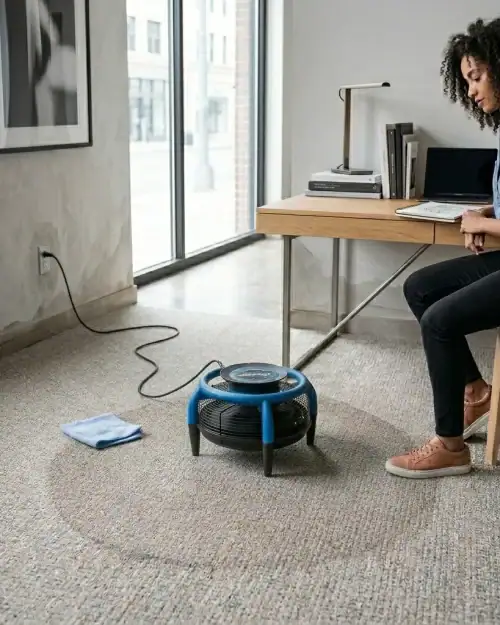
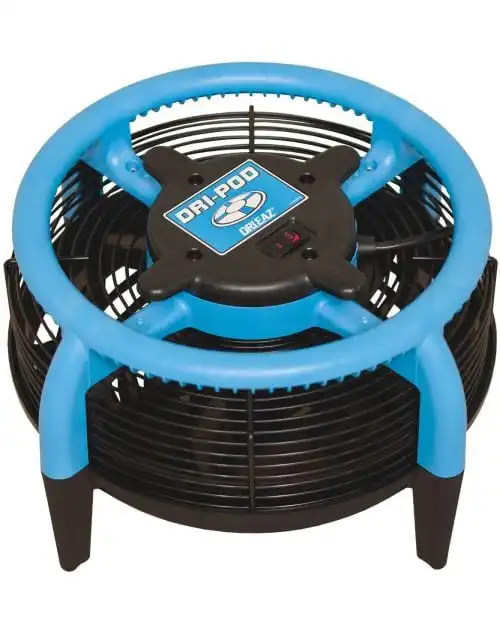
For soaked carpets, wet floors or damp walls after a leak — often yes. The air mover pushes moisture out of the surfaces into the air, and the dehumidifier collects it. For everyday condensation, the dehumidifier alone is fine.
This guidance is general and based on typical compact refrigerant dehumidifier performance. How fast your room dries depends on its size, temperature, ventilation, how wet it is, and whether the moisture source has been fixed. A dehumidifier helps reduce moisture in the air — it doesn’t fix leaks, remove existing mould, or solve structural damp. For those issues, get the source fixed first, then use the dehumidifier to dry the room out afterwards. Not sure? Call us or see our full dehumidifier range.
Included with your hire
Using Your Dehumidifier: The 2-Minute Guide
Your machine: Avalla X-200 · compact 20L-class domestic dehumidifier · 5.5L tank with auto cut-off · standard 230V plug · quiet enough for occupied rooms.
Read this first
It switches itself off — usually that’s a feature
Three things stop this machine on purpose: the tank is full (empty it, click it back in), the room has reached the target humidity (job done — it will restart when needed), or it is melting frost off its coil in a cool room. None of these is a fault.
If it has stopped, check those three before anything else — they cover almost every “it’s broken” call we get for this unit.
Quick start
Six steps and it’s running
01
Stand it upright
Travelled on its side in the car? Leave it standing for an hour before you plug in.
02
Position it well
Flat, level floor with 20–30cm of breathing space — never tight against curtains, beds, clothes or walls.
03
Close windows and doors
The machine can only dry air it can keep hold of. One sealed room at a time.
04
Set the target to 50–55%
That is the comfortable, mould-unfriendly zone for UK homes. Lower wastes electricity.
05
Let it run
Hours, not minutes. It cycles on and off by itself as the room reaches the target.
06
Empty the tank when it stops
Pour it away, then click the tank back in squarely — a half-seated tank reads as “full” and the machine will not restart.
Know your lights & modes
What the panel is telling you
Humidity light
Blue = the air is already dry (below 50%). Green = the comfort zone (51–70%). Red = damp (above 71%). Watching it turn from red to green IS the progress bar — red just means there is work to do, not a fault.
MODE button
Dehumidifier for normal drying. Clothes dryer for a rack of washing — higher fan, room above 18°C works best. Aeration is fan-only and does not dry.
Timer + child lock
The timer only sets a switch-off delay. Holding it for 3 seconds toggles the CHILD LOCK — if the buttons ever stop responding, this is almost always why.
Beep
A buzzer means the tank is full. Empty it and click it back in squarely.
While it’s running
All of this is normal
Normal
It cycles on and off
The humidistat holding the room at your target. Set it and leave it alone.
Normal
Litres below the label
The 20L rating is a warm-lab figure. A typical UK room gives around 6 litres a day at first, tapering as it dries.
Normal
Quiet spells in cool rooms
It pauses to melt frost off its coil, then carries on. Not a fault.
Normal
Less water each day
The room is getting drier. That is the job working, not failing.
Normal
Slow to start in a dry room
If the air is already at 50% or drier, it can take up to 3 minutes to wake up after switch-on. Give it a moment before judging.
Normal
A beep, then it stops
Tank full. Empty it, click it back in squarely, and it carries on where it left off.
Troubleshooting
Something not right? Start here
Written the way people actually describe it. Each fix takes about a minute.
“It’s not collecting much water”
Usual cause
A cold room (below about 18°C it needs frequent defrost pauses and output drops sharply), an open window feeding it fresh damp air, or the room is simply already at the target.
The fix
Close windows and doors, warm the room if it is cold, and check the target setting. Collecting little in a dry-feeling room means it has WON, not failed.
“The tank light is on but the tank is empty”
Usual cause
The tank is not seated squarely — a tiny safety switch thinks it is missing or full.
The fix
Pull the tank right out and slide it back in flat until it clicks home. This is the single most common “fault” on domestic units.
“It just stopped”
Usual cause
Tank full, tank not clicked in, or target humidity reached.
The fix
Empty the tank, reseat it squarely, check the target setting. Then give it a few minutes — some units pause briefly before restarting.
“The hose isn’t draining”
Usual cause
An uphill section, a kink, or the hose end sitting higher than the outlet on the machine.
The fix
Gravity does the work: the hose must fall continuously, end lower than the machine outlet, running to a drain or low sink. Keep the tank clicked in too — the machine will not run without it — and note the automatic tank-full cut-off is OFF in hose mode, so the hose end must sit somewhere an overflow can do no harm.
“The buttons aren’t responding”
Usual cause
The child lock is on — it toggles by holding the TIMER button for 3 seconds, which is easy to do without noticing.
The fix
Hold the TIMER button for 3 seconds to unlock. Everything springs back to life.
“There’s ice on it”
Usual cause
A cold room — frost is building faster than the machine can clear it.
The fix
Switch off, let the ice melt on its own, warm the room, restart. Icing up repeatedly? The room may be too cold for this unit — call us about an LGR.
“The room still feels damp”
Usual cause
Surfaces can feel dry while walls and fabrics are still releasing moisture — days 1 and 2 dry the air, day 3 onwards dries the room.
The fix
Keep it running with the room closed and be patient. Judge by condensation disappearing and the tank filling less, not by feel.
Before you call us — the 30-second check
- Windows and doors closed?
- Tank empty and clicked in squarely?
- Room warmer than 18°C?
- Target set to 50–55%?
All four yes and still stuck? Two minutes on WhatsApp usually sorts it.
Safety
Five rules — that’s all
- Dry hands when plugging in or unplugging, and keep the plug off damp floors.
- Nothing draped over it — no drying clothes on top, and keep that 20–30cm of clear space.
- Empty the tank before moving it, and keep the unit upright.
- It does not fix the cause — active leaks need fixing and existing mould needs cleaning separately.
- Indoors only, away from splashes and standing water.
End of hire
Before we collect — two minutes
- 1Switch off, unplug, and empty the tank one last time — rinse it with warm water only, no chemicals.
- 2If you used the hose, disconnect it and let it finish dripping into a drain.
- 3Coil the cable loosely and keep any hose with the unit.
- 4Had it more than a week? Give the air-intake filter a quick vacuum, then leave it upright and dry by the door.
Handed back like this, your deposit goes straight back — no questions, no delays.
ID Required
Valid photo ID at delivery. Hire terms
Related products
£4.20 - £29.99 + VAT
Latest estimated delivery date: Tuesday 6 October
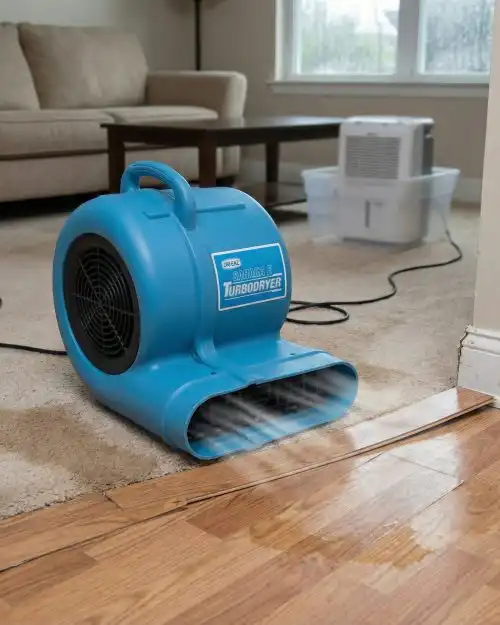
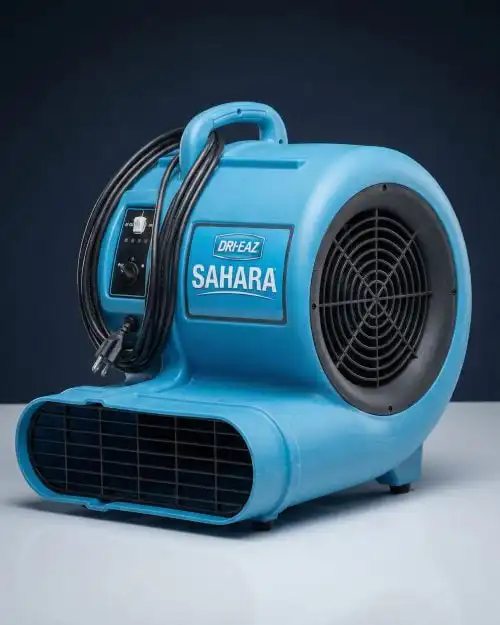
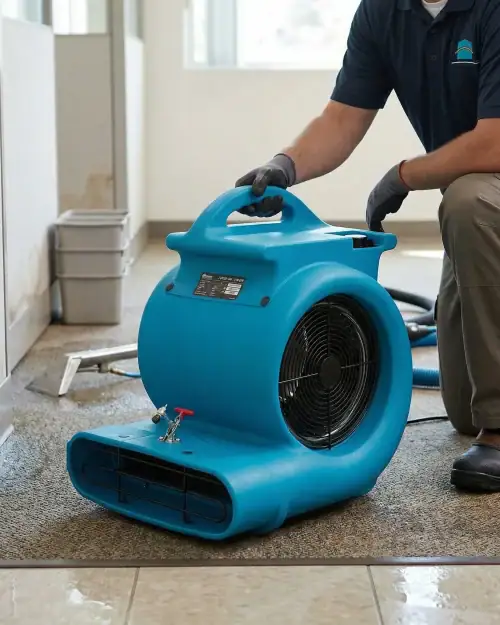
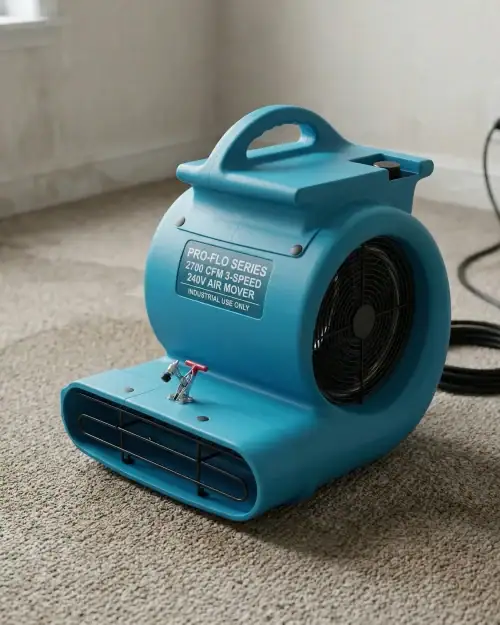
Air Movers & Carpet Dryers
£4.80 - £29.99 + VAT
Latest estimated delivery date: Tuesday 6 October
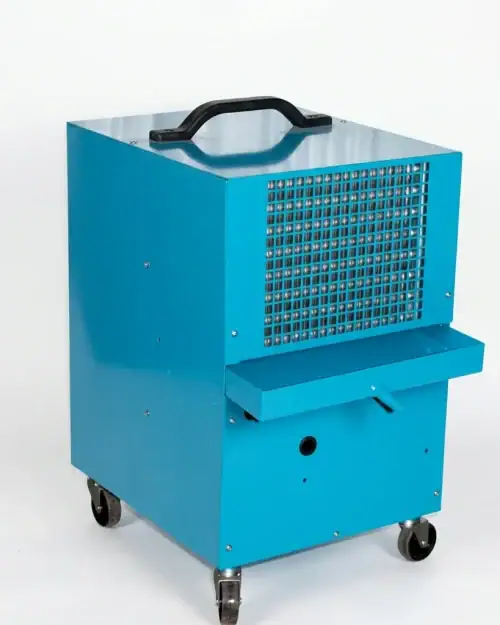
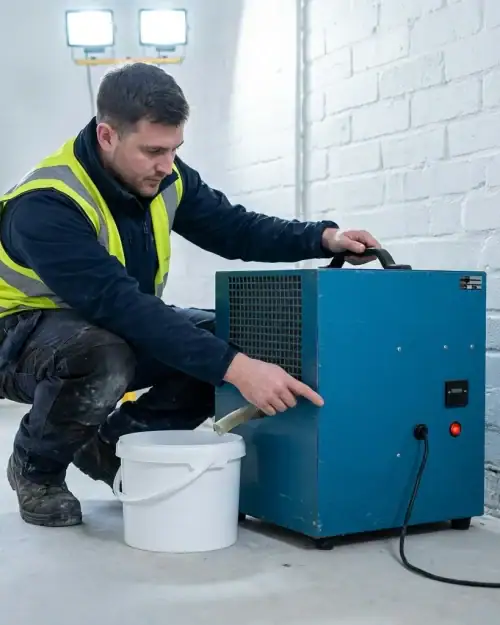
Dehumidifier Hire London
Dehumidifier Hire London | Heavy-Duty Drying for Homes & Flats (38L/Day)
£8.40 - £59.99 + VAT
Latest estimated delivery date: Tuesday 6 October
Drying & Heating
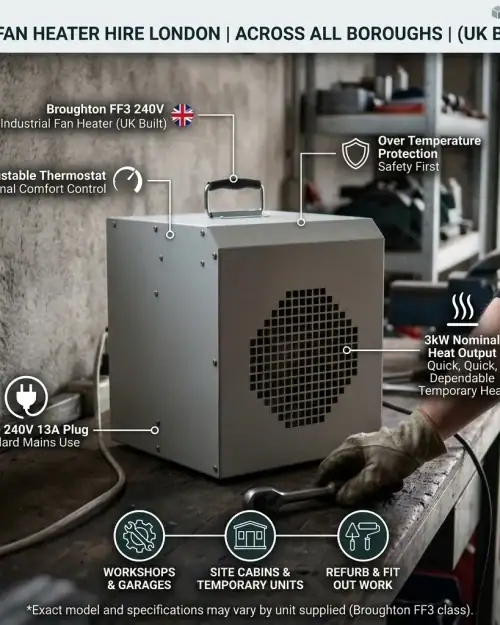
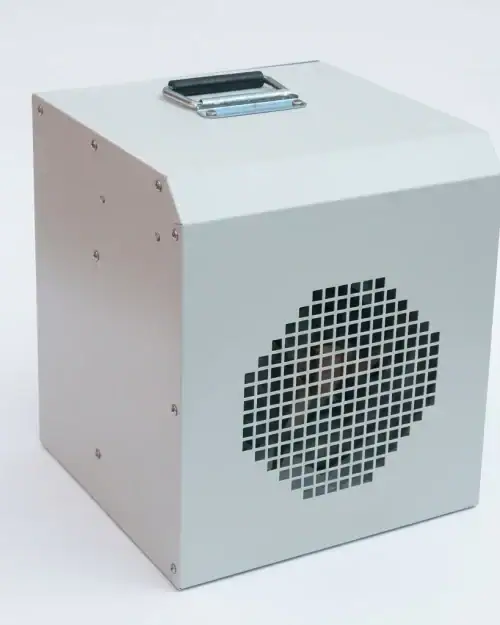
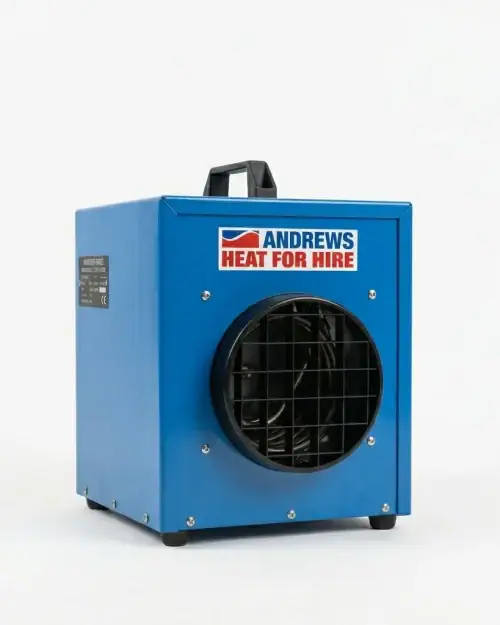
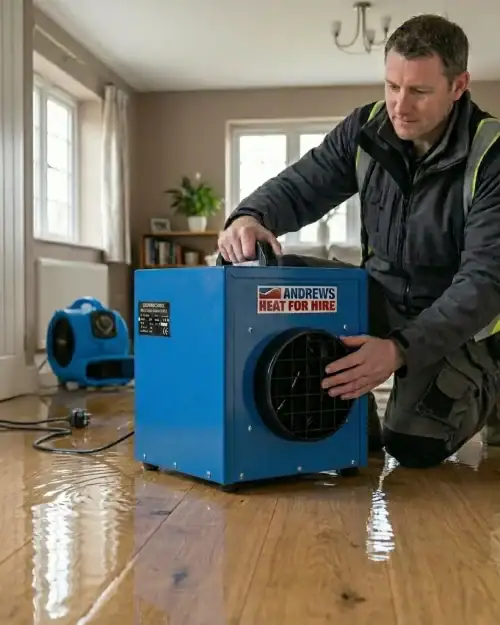
3kW Fan Heater Hire London | Broughton Industrial 240V (UK Built)
£5.60 - £39.99 + VAT
Latest estimated delivery date: Tuesday 6 October
£18.20 - £129.99 + VAT
Latest estimated delivery date: Tuesday 6 October
Drying & Heating
From £39.99 + VAT
Latest estimated delivery date: Tuesday 6 October
£4.80 - £29.99 + VAT
Latest estimated delivery date: Tuesday 6 October
Drying & Heating
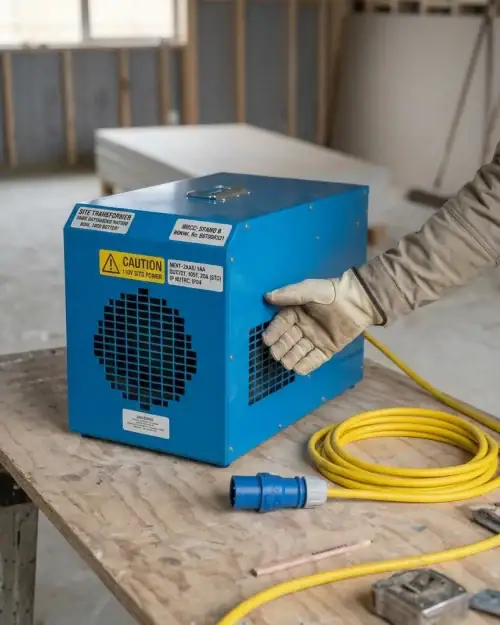
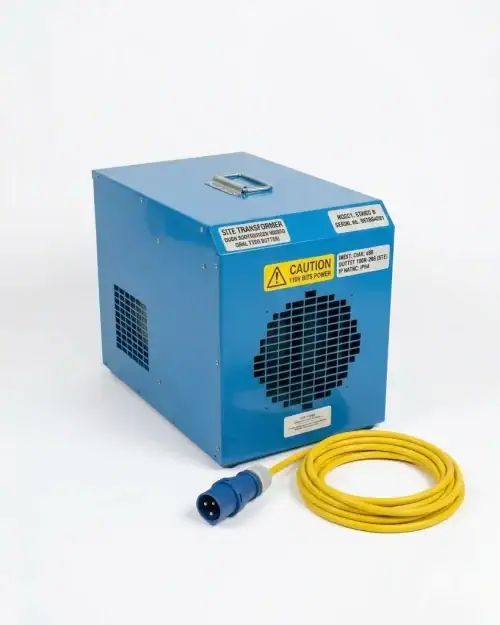
3kW 110v Fan Heater Hire London | 110V 32A Industrial Site Heater
£5.60 - £39.99 + VAT
Latest estimated delivery date: Tuesday 6 October
 Drone Survey & Mapping
 Drone Inspections