 Drone Services
 Access Equipment
 Breaking & Drilling
 Cleaning Equipment
 Drying & Heating
 General Site Tools



01 · Larger spaces
Larger damp rooms
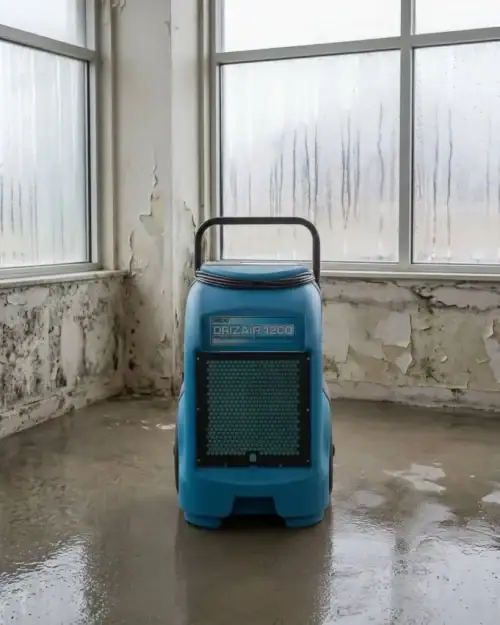
Commonly used for: open-plan living areas, larger bedrooms, lower-ground rooms and persistent damp spaces where compact units may be undersized.
Check firstConfirm room size and source resolution at booking.

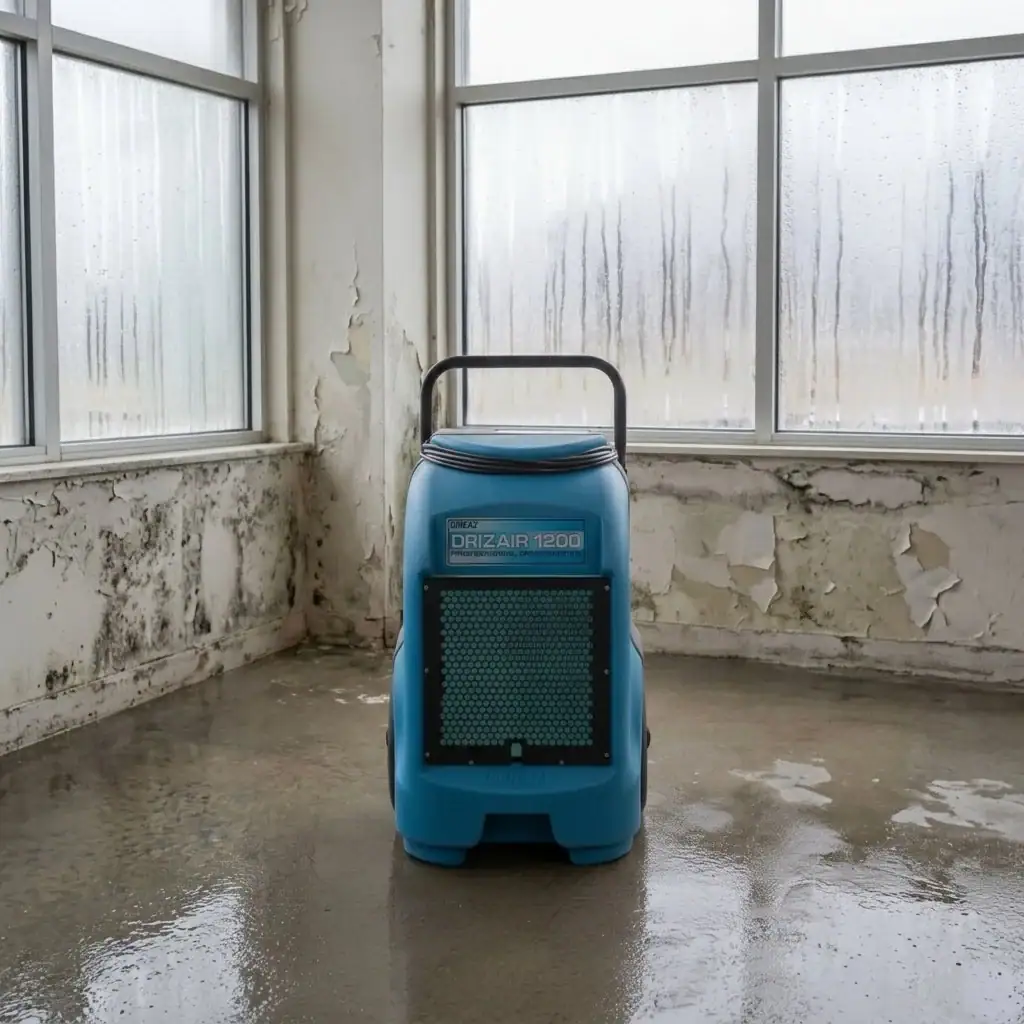
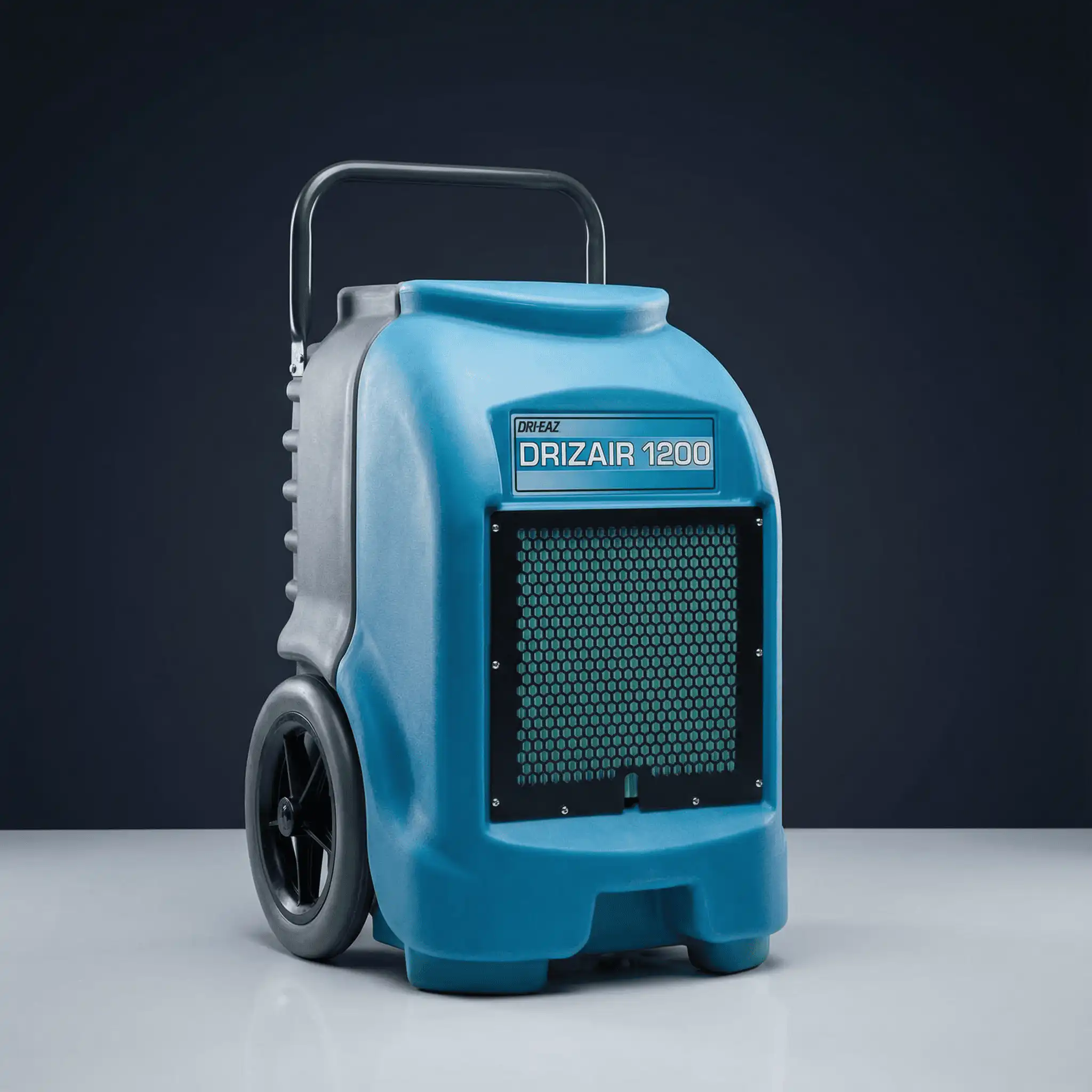
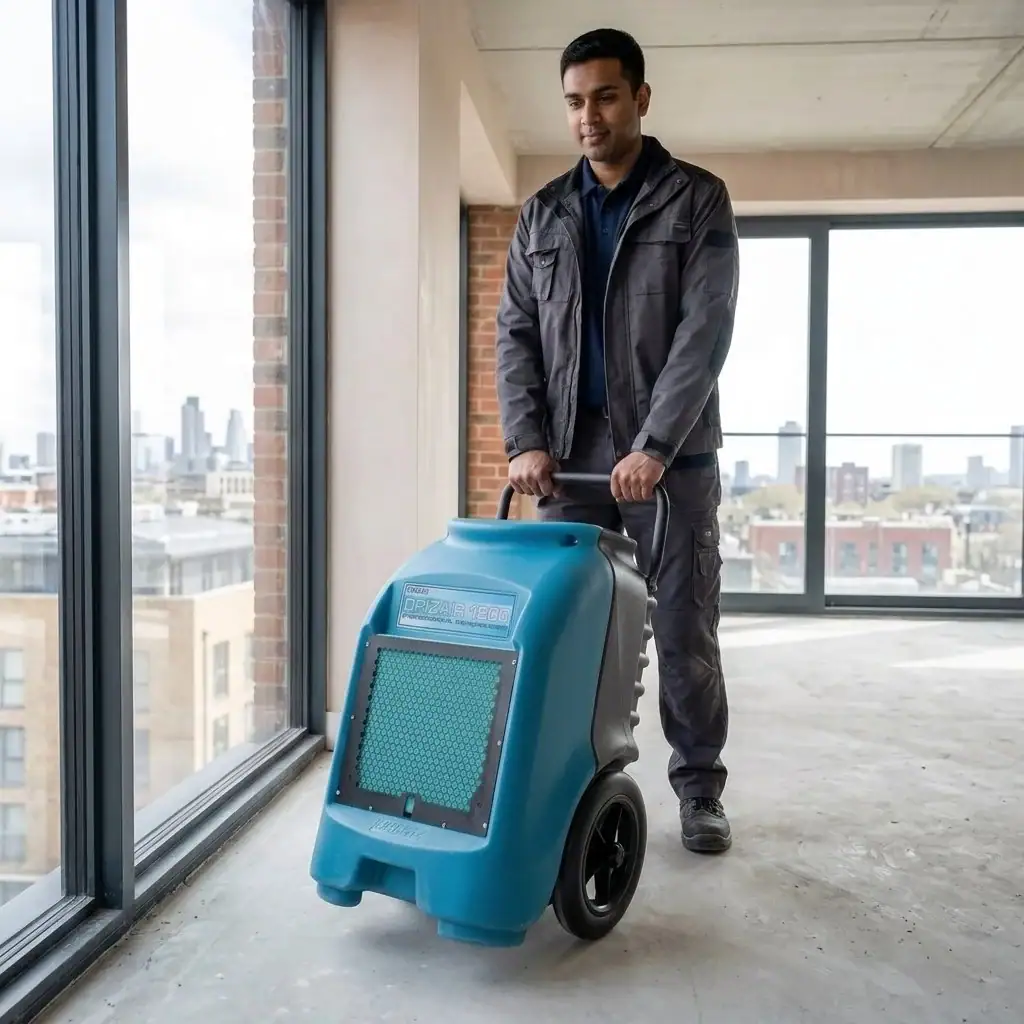
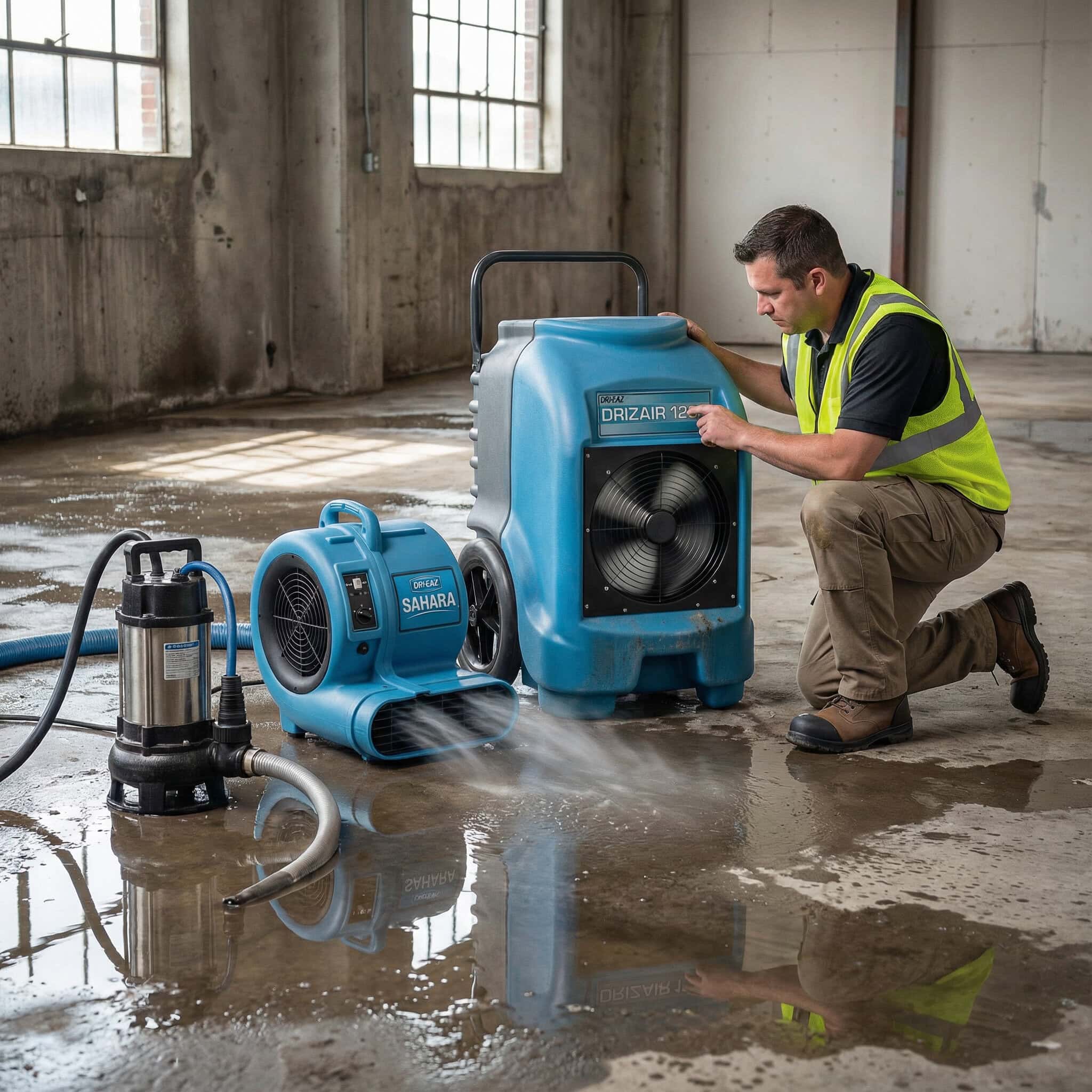
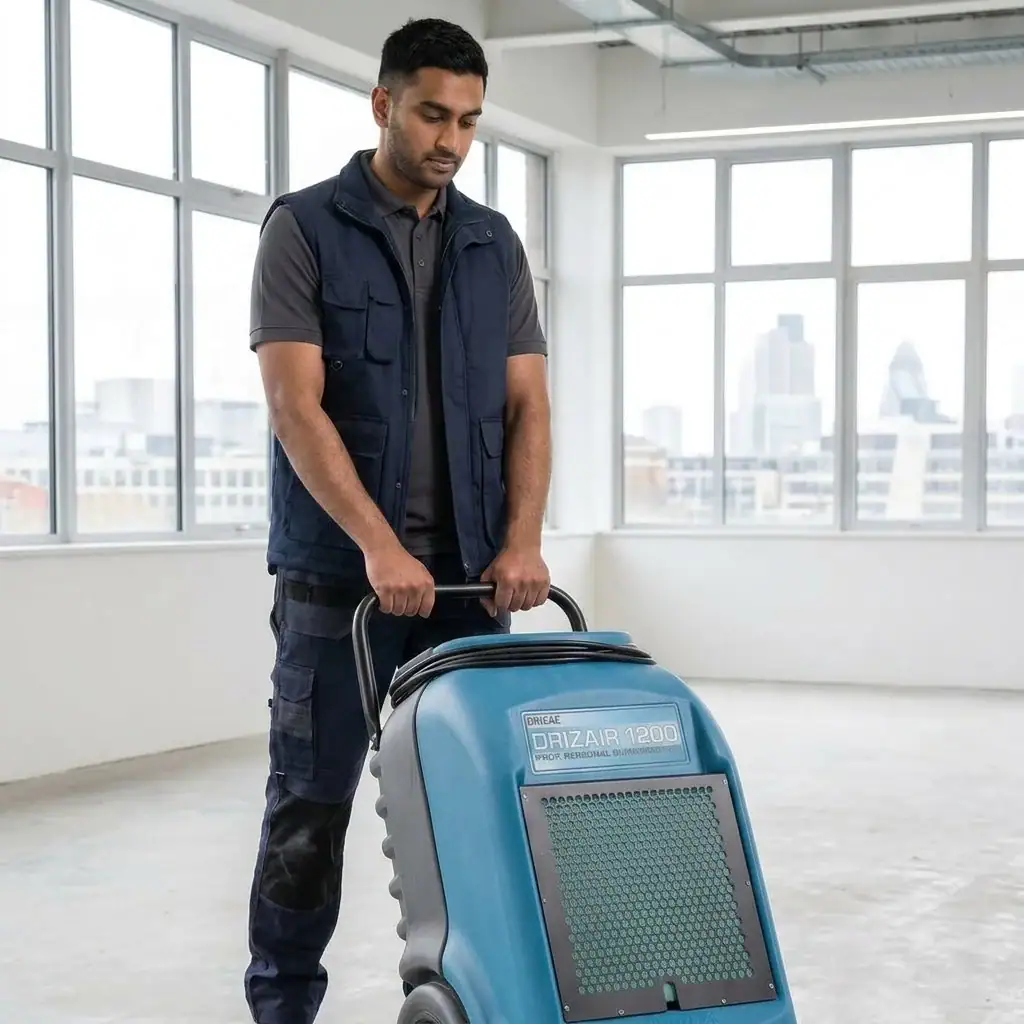
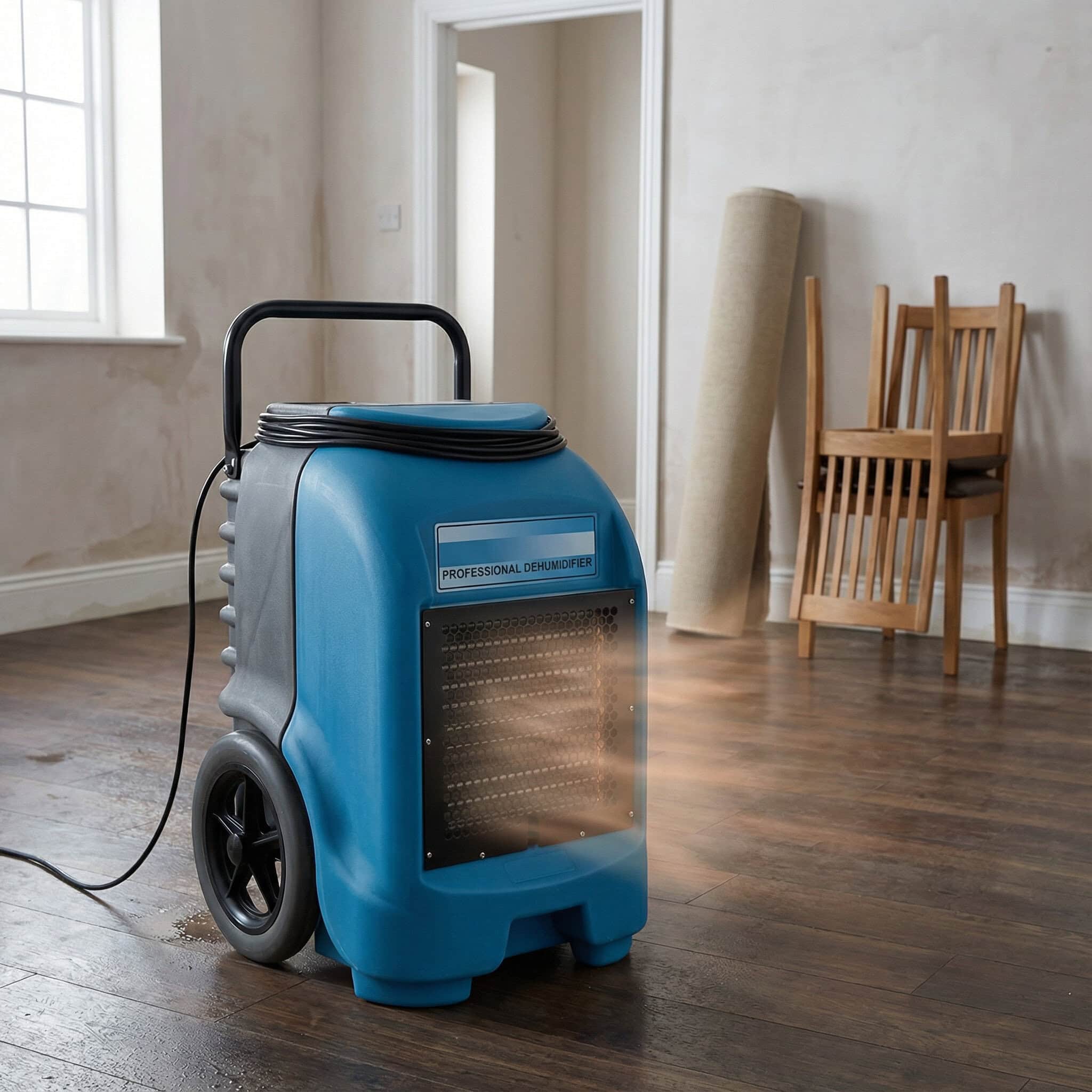
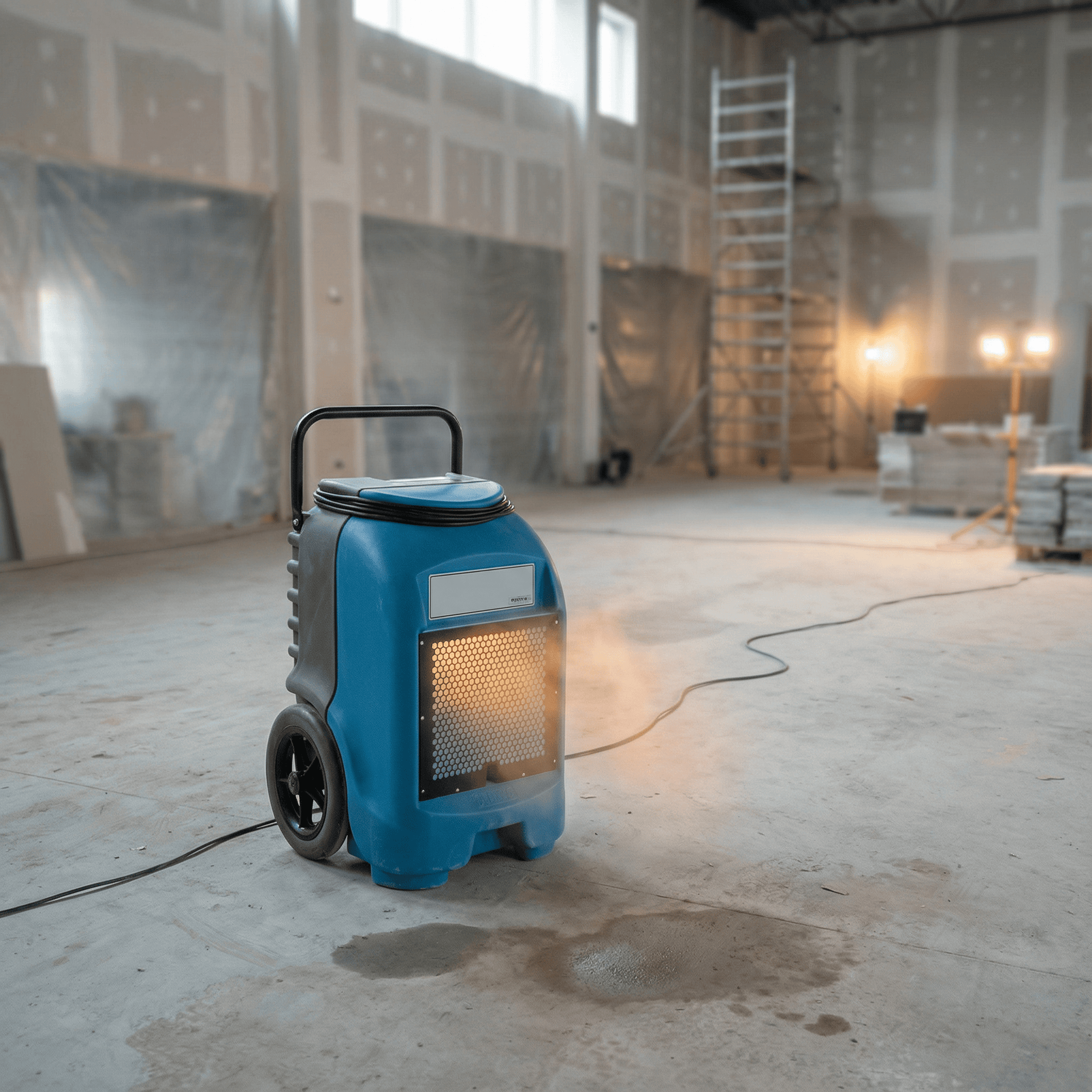
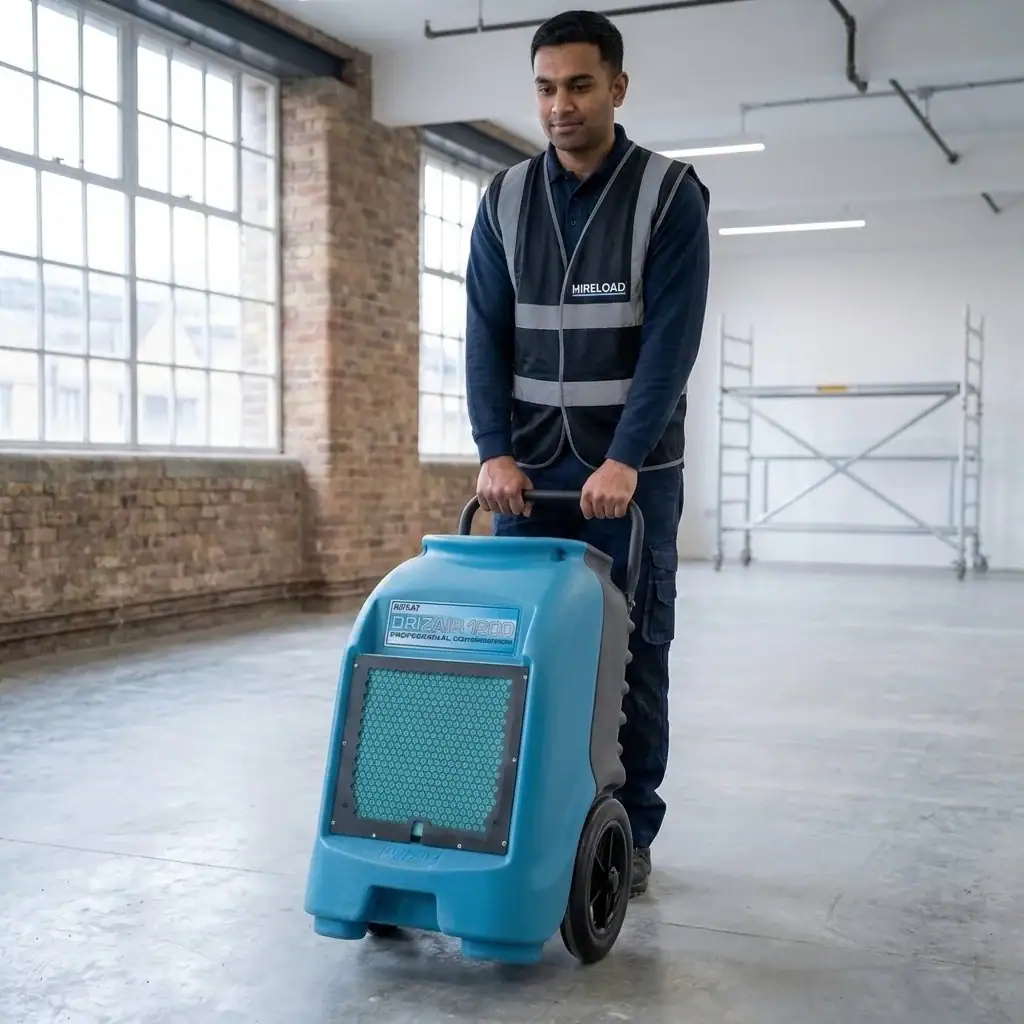
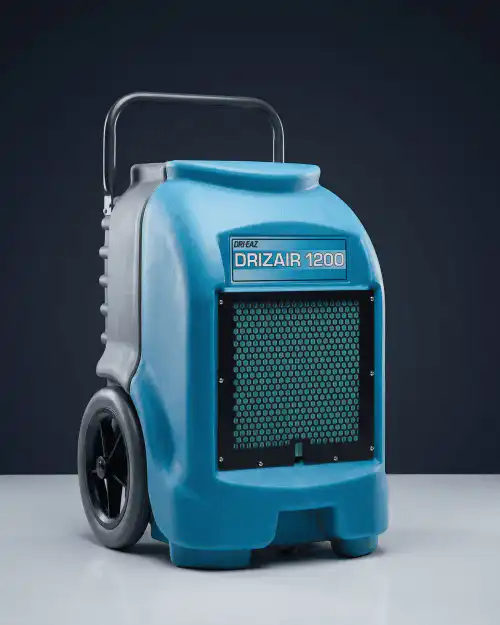
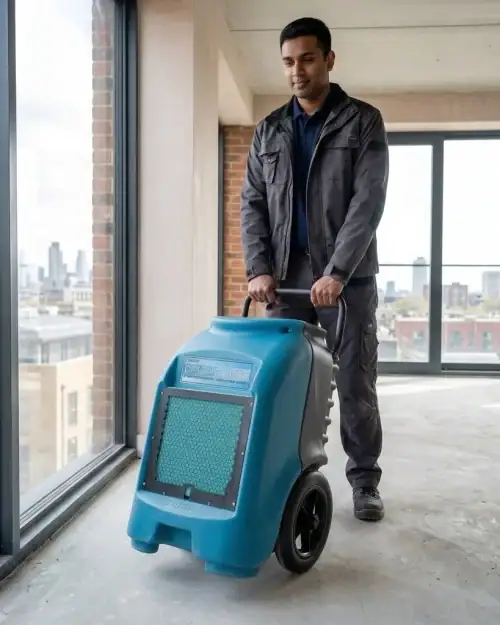
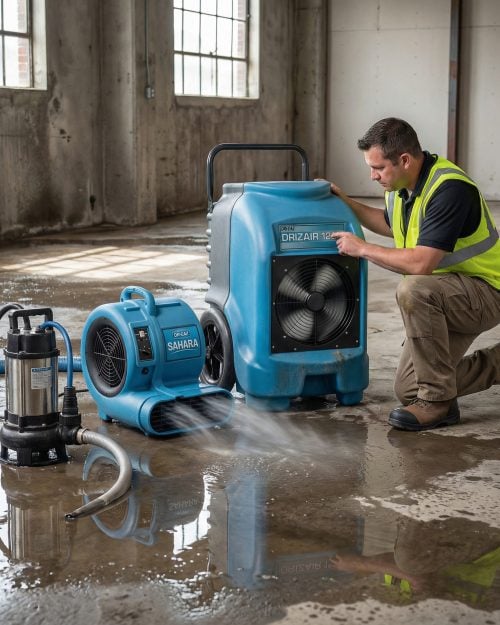
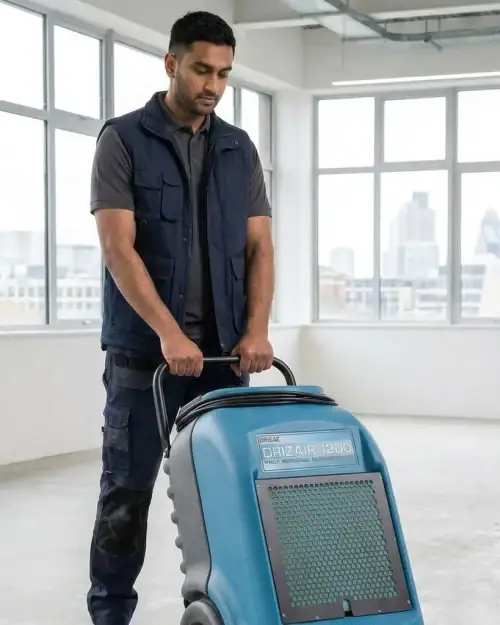
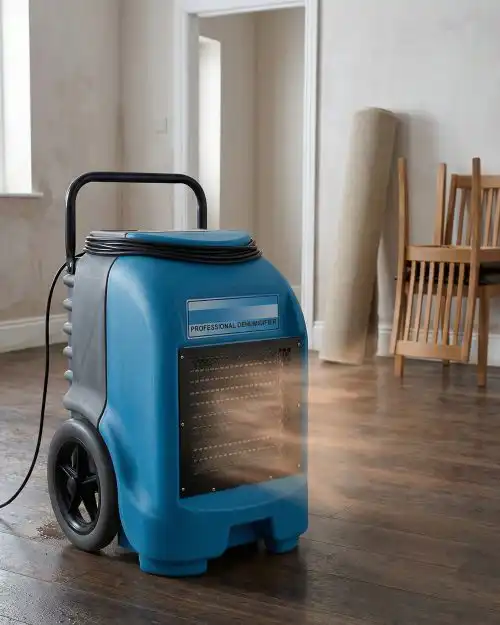
Dri-Eaz DrizAir 1200 (230V) — the professional-grade industrial dehumidifier for construction drying, flood recovery, and large-scale refurbishment. Extracts up to 55 litres per day with automatic condensate pump-out and 12.2m drain hose for unattended 24/7 operation. Runs on standard UK 230V mains via BS1363 plug. Hot-gas bypass defrost for cold-site performance down to 1°C. Rotomoulded housing, semi-pneumatic wheels, 36 kg. Next-day delivery across Greater London.
Hire-grade Dri-Eaz 1200 hire from our London depot — part of our industrial dehumidifier hire London range, commonly used for larger drying jobs and contractor-style drying support. Automatic condensate pump-out and a high-airflow industrial design can support longer running periods where drainage is set up correctly.
Built for bigger drying jobs
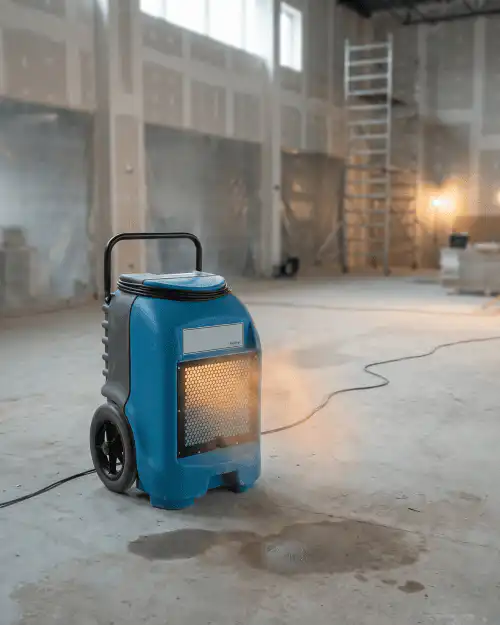
Commercial dehumidifier hire commonly used where compact units may be undersized — larger damp rooms, refurbishment work, post-leak drying support and managed commercial spaces.
01 · Larger spaces
Commonly used for: open-plan living areas, larger bedrooms, lower-ground rooms and persistent damp spaces where compact units may be undersized.
02 · Refurbishment
Commonly used for: fit-out drying support and freshly plastered or painted areas where humidity control matters for the schedule.
03 · Post-leak / commercial
Commonly used for: drying support after a resolved leak, and in offices, shops or managed commercial rooms with persistent moisture.
What the 55L actually does
The Dri-Eaz 1200 is a refrigerant industrial dehumidifier — it does not dry walls or remove mould directly. It can help lower a room’s relative humidity so moisture can move out of walls, carpet and plaster into the air, where the unit can collect it.
Bringing a damp space closer to a common comfort range may help reduce condensation, musty smells and conditions associated with mould risk. Results vary depending on temperature, airflow, room size and moisture level.
Refrigerant performance varies with room temperature. Output may reduce noticeably below ~15°C. For cold sites and demanding drying jobs, an LGR option may be more suitable depending on conditions.
Indicative drying progress
Example only. Drying time depends on room size, temperature, airflow, moisture level and whether the source of moisture has been resolved.
Confirm the source is resolved, isolate the area, position the unit and check drainage where supplied.
Humidity may start reducing if the room is warm, closed off and airflow is managed.
Walls, carpet or plaster may continue releasing moisture into the air. Air movers can help where appropriate.
Condensation and musty smells may reduce as humidity lowers, depending on conditions.
Keep monitoring humidity. For heavy moisture, cold rooms or multi-room jobs, a larger / LGR setup may be more suitable.
55L vs smaller units
Compact and commercial units are sized for single rooms or smaller jobs. The 55L Dri-Eaz 1200 is commonly chosen for larger areas, longer runs and more demanding moisture loads where smaller units may be undersized.
Choosing the right capacity can help avoid under-sizing the job. Speak to us if you’re unsure which tier fits your situation.
Single domestic room · light damp.
›
Damp rooms · post-leak · plaster · occupied dwellings.
›
Tight-access industrial drying support.
›
Larger damp rooms · refurbishment · post-leak commercial spaces.
›
Cold sites · demanding flood-recovery drying support.
›
Job suitability guide
Use this guide to confirm the high-capacity industrial unit suits your job. Speak to us if your situation isn’t listed.
Good fit
Speak to us
Drying performance depends on site conditions
Warmth, airflow, drainage and containment all affect drying performance. The 55L unit can help, but conditions on site shape the result.
Refrigerant output may reduce noticeably below ~15°C.
Air movers help direct moist air past wet surfaces.
Larger or wetter areas extend drying time.
Closed, controlled rooms support better drying performance.
Recommended setup
A high-capacity dehumidifier works best as part of a setup. Often paired with airflow, heat and continuous drainage where appropriate.
The high-capacity industrial dehumidifier — extracts moisture from larger areas with auto pump-out drainage.
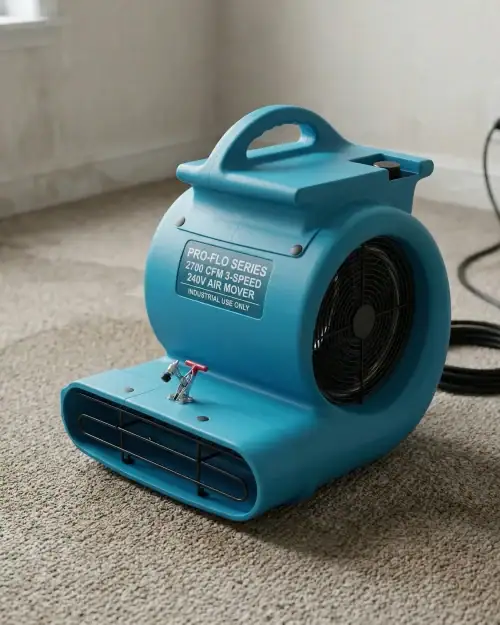
Often paired with the 55L to direct airflow at carpets and soft furnishings.
Where appropriate, warm conditions support refrigerant performance.
Drainage hose can route condensate to a suitable sink, gully or drain where supplied and set up correctly.
The Hireload service promise
Delivery options across Greater London, kerbside standard with indoor placement where access allows. Confirm at booking.
Each unit is checked at our depot before the next hire.
Greater London delivery, subject to access and availability. Confirm at booking.
Collect from our Greenford depot (UB6 7JD) where preferred.
Speak to our team if unsure — we’ll suggest a sensible option from the range.
FAQ
Answers to common questions about high-capacity industrial dehumidifier hire London, larger damp rooms, refurbishment drying support, post-leak drying and choosing the right capacity.
The 55L Dri-Eaz 1200 is a high-capacity industrial dehumidifier hire commonly used for larger damp rooms, refurbishment drying support, post-leak drying support (where the source has been resolved), and small commercial spaces such as offices and shops. Hire-grade industrial equipment used on real drying jobs. Drying performance varies depending on temperature, airflow, room size and moisture level.
The 55L is the more sensible choice when the affected area is larger than a single room, when the moisture load is heavy, or when longer runs are needed. The 20L Compact Domestic is sized for single rooms; the 38L Broughton CR40 is sized for studio flats and damp rooms; the 55L steps up for larger areas and demanding drying support. Speak to us if unsure.
Yes, where the leak source has been fixed and surface water has been cleared. Place the 55L in the affected area and consider pairing with an air mover for soft furnishings. For multi-room flooding, cold sites or whole-property situations, an LGR option such as the 63L Dri-Eaz Revolution may be more suitable depending on conditions.
Yes, it is commonly used for plaster and refurbishment drying support in heated, ventilated rooms (typically above ~15°C) by helping to reduce humidity around wet plaster or paint. For cold rooms or fast contractor schedules, an LGR option may be more suitable. Drying time depends on temperature, ventilation, plaster thickness and original moisture level.
Yes, for managed commercial spaces such as offices, shops, small commercial rooms or studio flats. Suitable where the area can be closed off and ventilation managed. Confirm room size, moisture load and access at booking.
No. Our 55L Dri-Eaz 1200 hire is supplied as the 230V version — runs from a standard UK 230V supply. No three-phase or specialist wiring is required.
Yes. The Dri-Eaz 1200 has an automatic condensate pump-out feature. Connected to a sink, gully or floor drain via a drainage hose where supplied, continuous drainage can support longer running periods where set up correctly with a suitable drain.
It varies. Drying performance depends on room size, temperature, airflow, moisture level, the cause of the damp and whether the source has been resolved. We don’t guarantee specific drying times. Speak to us if you’d like advice on sizing for a deadline.
Often yes for post-leak jobs and refurbishment drying. Where carpets, underlay, soft furnishings or plaster are affected, pairing the 55L with an air mover can help direct airflow to the wet surfaces. Ask us if you’d like to add one to the booking.
Refrigerant performance may reduce noticeably below ~15°C. For unheated garages, lock-ups, warehouses or building sites in winter, a Low-Grain Refrigerant option such as the 63L Dri-Eaz Revolution may be more suitable depending on conditions.
Yes. London delivery and collection are available, subject to access and availability. Free collection from our Greenford depot (UB6 7JD) is also available. Kerbside delivery is standard, with indoor placement options where access allows. Confirm at booking.
Speak to our team before you book
Tell us the room size, moisture issue, temperature, access and timeframe — we’ll help you choose a sensible option from the Hireload drying range.
Guidance on this page is general and based on typical high-capacity industrial refrigerant dehumidifier performance (Dri-Eaz 1200, 55L). Drying time and outcomes depend on room size, temperature, airflow, moisture level, the cause of the damp and whether the source has been resolved. A dehumidifier can help reduce moisture but is not a substitute for fixing leaks, removing existing mould or addressing structural damp. For demanding drying jobs, multi-room leaks, cold spaces or any uncertainty about suitability, see our full dehumidifier range or speak to our team.
The Dri-Eaz DrizAir 1200 is the workhorse for bigger, wetter jobs: a whole-house flood, a large commercial space, or several rooms at once. It pushes more air (325 m³/h), pumps its water out through a 12 m hose so you can reach a distant drain, and keeps working down to 1 °C. Roll it into place on its wheels, plug into any 13 A socket, and leave it running.
Up to 55 L/day peak · around 28–30 L in a real room — a genuine step up from the Cube.
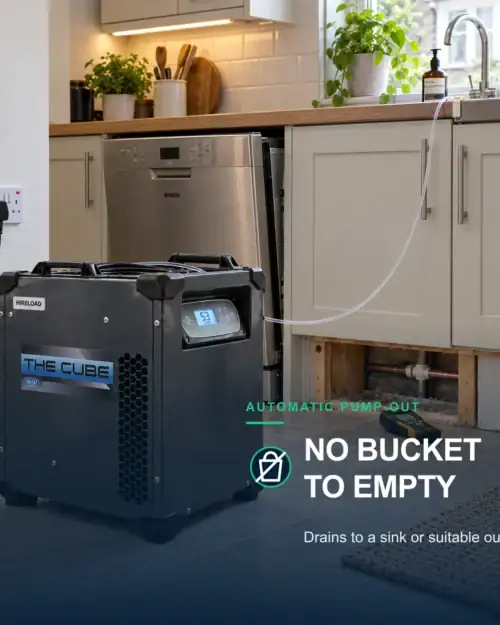
Pumps water out to a distant sink or drain, up to ~6 m uphill. No tank to empty.
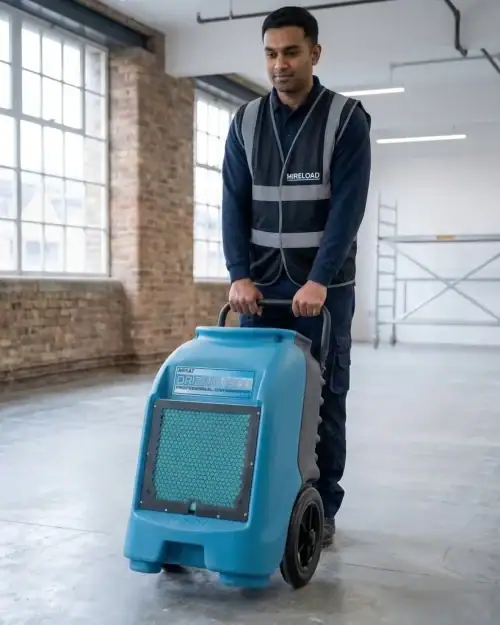
Wheeled build for multi-room jobs. A 36 kg unit — moved on its wheels, not carried.
Keeps drying in cold spaces where smaller units fade (best above ~15 °C).
Every figure here is from Dri-Eaz / Legend Brands’ own documentation for the 230V unit, not reseller copy. Where a spec depends on conditions or the individual hire unit, we say so.
Litres-per-day ratings are quoted in warm lab conditions; a real UK room gives less. The Cube and the 55L both sit around 28–30 L in the real world — the 55L wins on peak capacity, airflow and pump reach, not on doubling the water. Here’s the straight version.
A single flooded room, a leak, drying-out where access is tight and you carry it up the stairs (22.7 kg).
Bigger or several rooms, a whole-house flood, a large commercial space. More airflow, 12 m pump reach, wheeled.
Restoration-grade drying, stubborn deep moisture, lower humidity targets. LGR pulls moisture further down.
Not sure between the Cube and the 55L? Send us the room size and what happened on WhatsApp — we’ll tell you the right unit, not the biggest one.
| Cube 43L | 55L DrizAir (this) | 90L LGR | |
|---|---|---|---|
| Best for | One room, tight access | Bigger / multi-room, whole-house flood | Deep restoration, low humidity |
| Realistic water / day | ~22 L | ~28–30 L (55L peak) | Highest, driest air |
| Airflow | 220 m³/h | 325 m³/h | High |
| Move it | Carry — 22.7 kg | Wheel it — 36 kg | Wheel it — heavy |
| Drainage | Pump-out, 6 m hose | Pump-out, 12 m hose | Pump-out |
| Cold rooms | Fades below ~15°C | Works to 1°C (best >15°C) | LGR helps; desiccant best |
| Typical job | Burst pipe, one room | Whole-house flood, big space | Restoration, cellars |
Different drying technologies suit different conditions — the plain-English version, and which of our units it points to.
| Technology | Works best | Good for | Our unit |
|---|---|---|---|
| Refrigerant | Warm rooms above ~15°C | Everyday flood & damp drying | Cube 43L & 55L DrizAir 1200 |
| LGR | Lower target humidity | Restoration-grade, stubborn moisture | 90L LGR |
| Desiccant | Cold rooms below ~15°C | Garages, cellars, winter drying | Ask us — condition-dependent |
Your machine: Dri-Eaz DrizAir 1200 · 55L class · wheeled · pumps its own water out · standard 230V plug
No experience needed. Follow the cards in order — most jobs are set up in a few minutes.
Roll it in on its wheels. If it travelled on its side, stand it upright for 30 minutes before switching on.
Firm, level floor — against a wall is fine, with space around the top and back for airflow.
Run the 12 m hose to a sink, drain or gully — fully uncoiled, no kinks, no more than ~6 m uphill. A coiled hose is the number-one cause of leaks.
Seal the room so the machine dries the air, not the street.
Any standard 230V socket, straight to the wall (no extension leads). Press ON on the panel.
The screen shows a short “CMPRSR DELAY” countdown, then it runs. Warm air out = working. Leave it 24/7.
That’s it. It runs continuously and empties itself — you don’t need to do anything else.
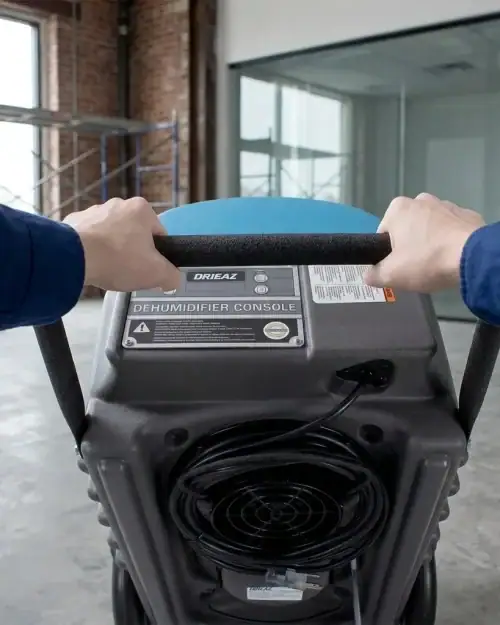
A digital touchpad with a single text display and four keys. There are no warning lights — everything shows as text.
ON / OFF. Starts and stops the machine.
Display. Cycles the screen through status and the two hour counters.
Clear. Clears a message after a power cut, and resets a counter.
Purge Pump. Empties water out through the hose. It also does this by itself every few minutes.
Pump-out hose. Water leaves here through the 12 m hose. Keep it fully uncoiled and no more than ~6 m uphill.
Intake filter. Keep it clear — a clogged filter is a common cause of “no water”.
Most “it’s broken” calls are one of these six. None is a fault — the machine is doing its job.
There is no tank. It pumps water straight out through the hose, so an empty machine is correct.
There’s no humidistat — it runs continuously until you stop it. That’s how it’s meant to work on a drying job.
That’s the drying process. It gently warms the room, which helps it dry faster.
It’s melting frost off the coil. Water pauses briefly, the fan keeps going, then it carries on.
A short countdown that protects the compressor. It happens every time you switch on.
The pump clearing itself out every few minutes. You’ll hear it now and then.
Written the way people actually describe it. Each fix takes about a minute.
Nearly always normal — no tank, it drains through the hose. Otherwise the filter is clogged, or the room is already dry.
Check water is running from the hose end. Vacuum the intake filter if dusty. Warm air at the top means it’s working.
The hose, almost every time: coiled, kinked, or lifted more than ~6 m. “ER 9” is the blocked-hose code.
Fully uncoil the hose, drop it below ~6 m of lift, press Purge. Still showing? Switch off, unplug, clear the hose, restart.
A normal defrost — melting frost off the coil so it can keep working.
Nothing needed. The fan stays on, water pauses briefly, then it resumes on its own. Constant defrosting means the room is very cold.
Both by design — warm dry air is the drying process, and there’s no humidistat so it runs continuously.
Leave it running. Judge progress with a moisture meter or hygrometer, not by whether it stops.
The power was interrupted. The machine rests before restarting to protect the compressor.
Wait about 5 minutes and it restarts itself. If a socket tripped, reset the fuse board. Dead with no screen? Call us.
A steady hum is normal for a site machine. Fierce hot air with zero water, or a new banging noise, can be a genuine fault.
Switch off and give us a call — two minutes on WhatsApp with a photo usually tells us whether to swap it.
All yes and still stuck? Two minutes on WhatsApp usually sorts it.
Press OFF. Leave it plugged in for 10 minutes, then press Purge to clear the pump.
Unplug, disconnect the hose and let it finish draining.
Coil the cable and hose loosely over the unit; vacuum the filter if it’s easy.
Leave it upright and dry, wheeled to where we can reach it.
Handed back like this, your deposit goes straight back — no questions, no delays.
In the real world both remove around 28–30 litres a day, so the 55L isn’t “double” the Cube. Choose the 55L for its bigger peak capacity, stronger airflow and 12 m pump reach on larger or multi-room jobs — and when you can wheel a 36 kg unit into place. Choose the Cube when one room needs drying and you need to carry it up the stairs.
For a whole flooded room, a large commercial space or several rooms, the 55L is the sensible workhorse. For very deep or restoration-grade drying, step up to the 90L LGR. For a single tight-access room, the Cube 43L is plenty.
Up to 55 litres a day at warm, humid lab conditions; in a normal UK room expect around 28–30 litres, tapering as the room dries. That’s the honest figure — ratings are always quoted at their best-case.
No tank. A built-in pump pushes water out continuously through a 12 m hose to a sink, drain or gully, up to about 6 m uphill. You never empty a bucket — just keep the hose uncoiled.
A wet room is typically several days; a whole-house flood is often three to six weeks; deep-soaked masonry longer. Fix the source of water first, keep rooms closed, pair with air movers, and judge by a moisture meter rather than the calendar.
It keeps running down to 1 °C, better than smaller units, though output drops below ~15 °C. For very cold rooms a desiccant unit is the right tool — tell us the conditions and we’ll point you to it.
ID Required
Valid photo ID at delivery. Hire terms
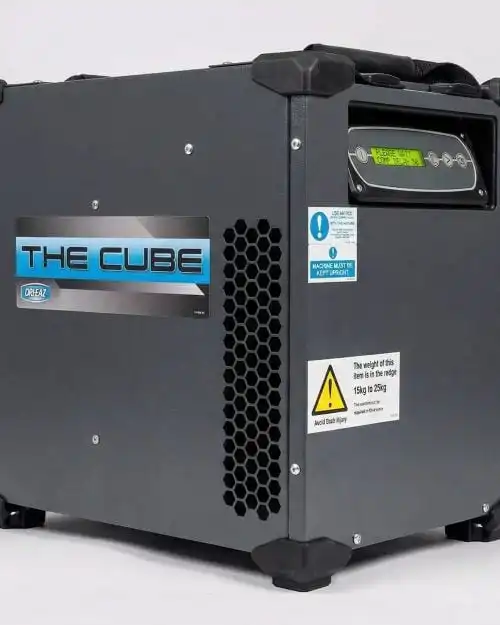
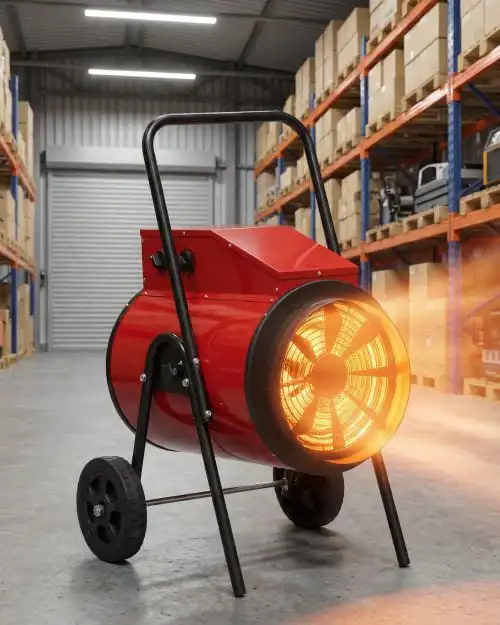
Drying & Heating
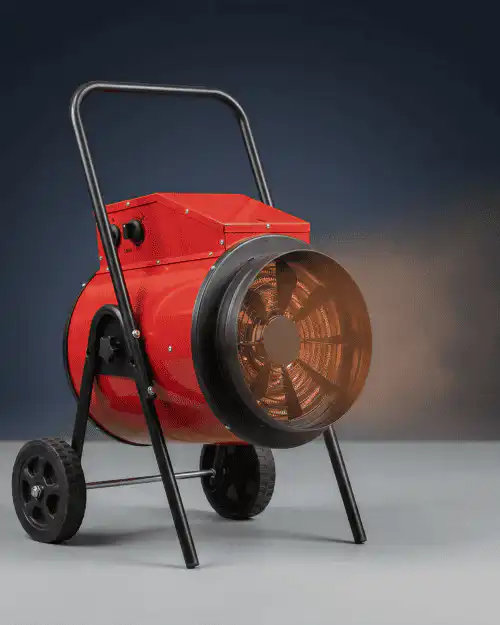
15kW Industrial Electric Fan Heater Hire (3-Phase) – Medium Site & Warehouse Heater
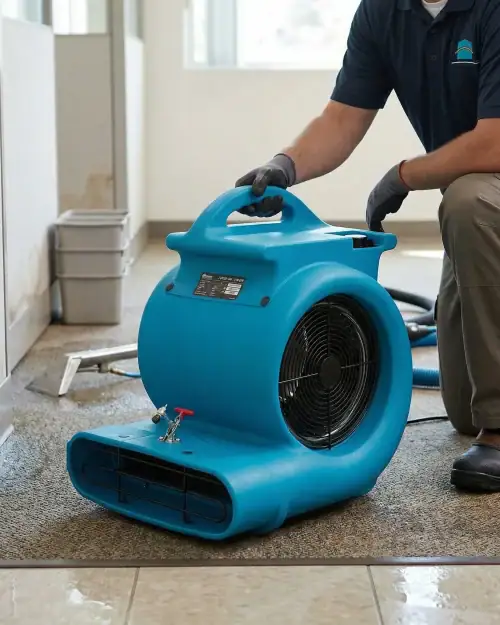
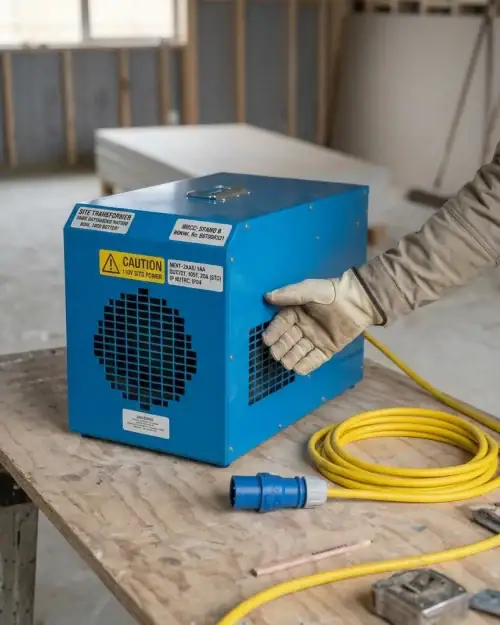
Drying & Heating
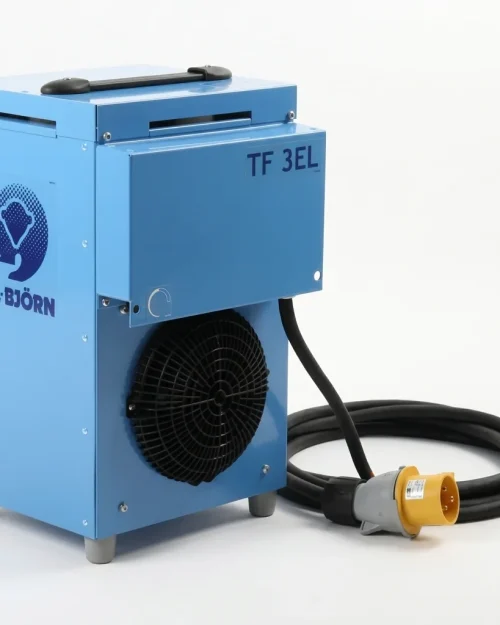
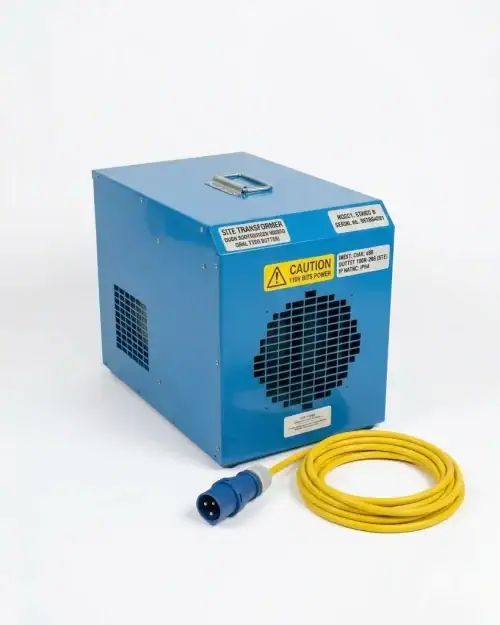
3kW 110v Fan Heater Hire London | 110V 32A Industrial Site Heater
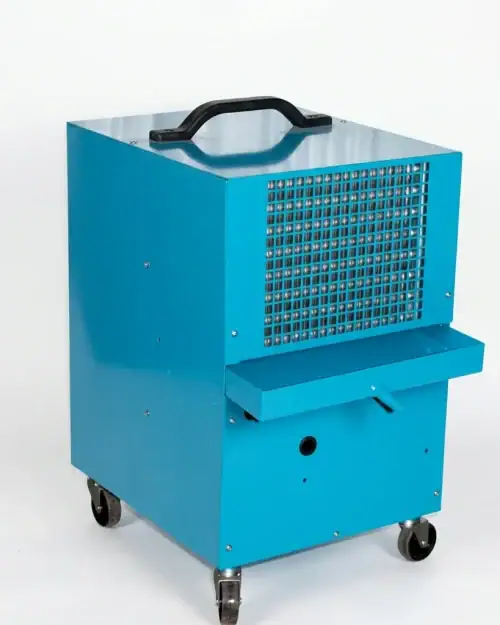
Dehumidifier Hire London
Dehumidifier Hire London | Heavy-Duty Drying for Homes & Flats (38L/Day)
Drying & Heating
If you hired from Hireload without an account, enter the email you booked with. We’ll email you a link to set up your account, where you can see your hires and extend them online.
 Drone Survey & Mapping
 Drone Inspections