
 Drone Services
 Access Equipment
 Breaking & Drilling
 Cleaning Equipment
 Drying & Heating
 General Site Tools
Dehumidifier Hire London
Dehumidifier Hire London
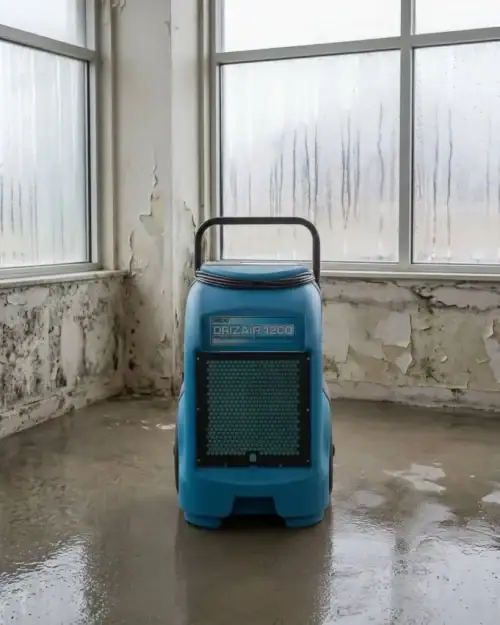
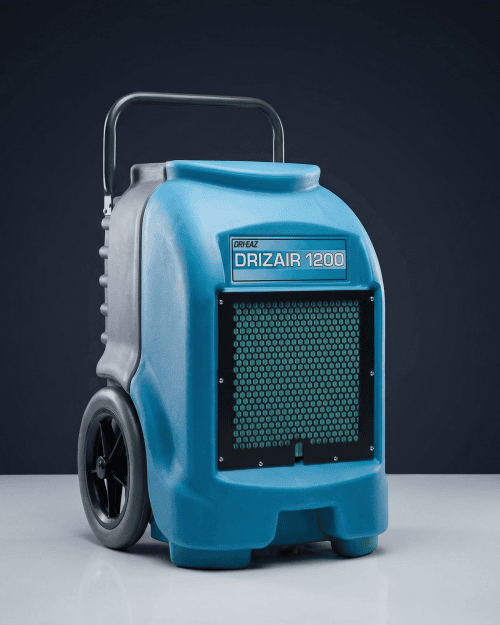
55L Industrial Dehumidifier Hire London | Dri-Eaz DrizAir 1200 (230V)
£12.50 - £89.99 + VAT
Latest estimated delivery date: Friday 21 August
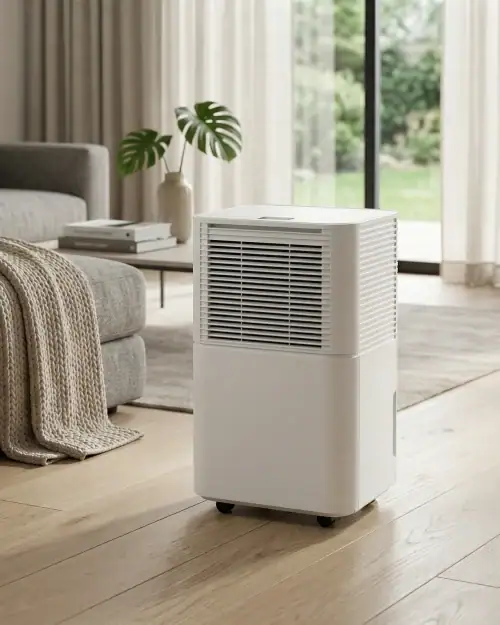
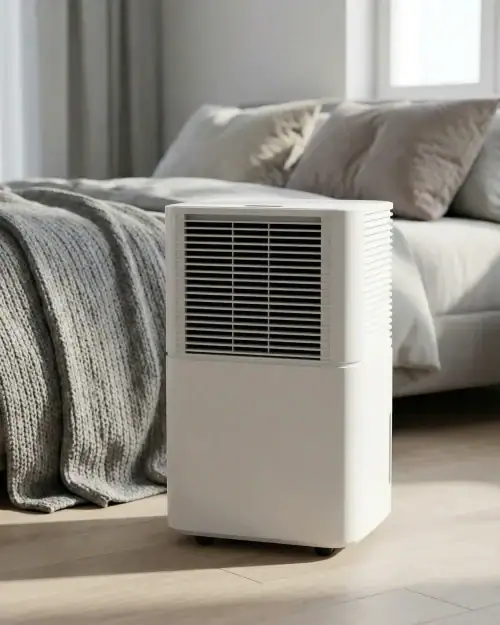
Dehumidifier Hire London
Compact Domestic Dehumidifier Hire London | 20L 230V for Homes & Flats
£4.50 - £34.99 + VAT
Latest estimated delivery date: Friday 21 August
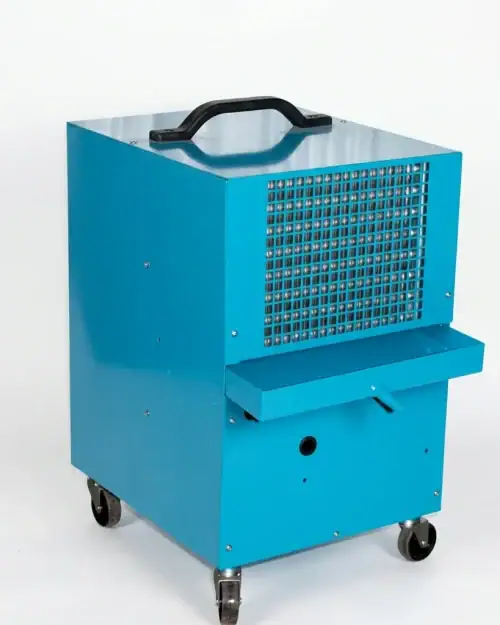
Dehumidifier Hire London
Dehumidifier Hire London | Heavy-Duty Drying for Homes & Flats (38L/Day)
£8.40 - £59.99 + VAT
Latest estimated delivery date: Friday 21 August
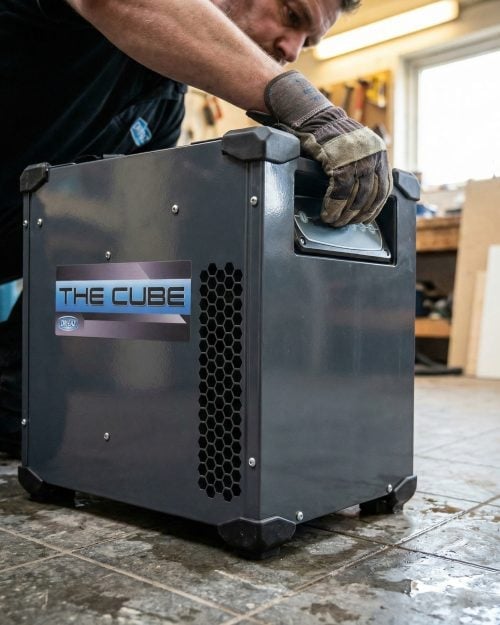
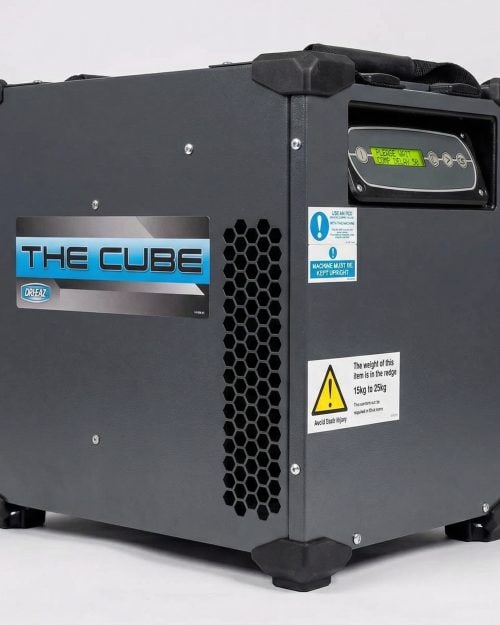
£11.20 - £74.99 + VAT
Latest estimated delivery date: Friday 21 August
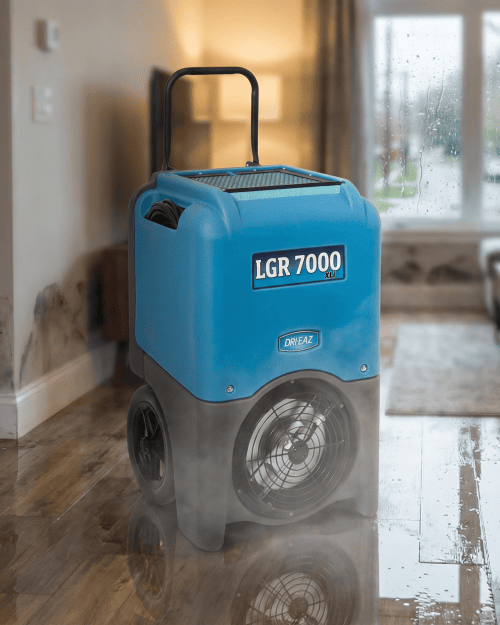
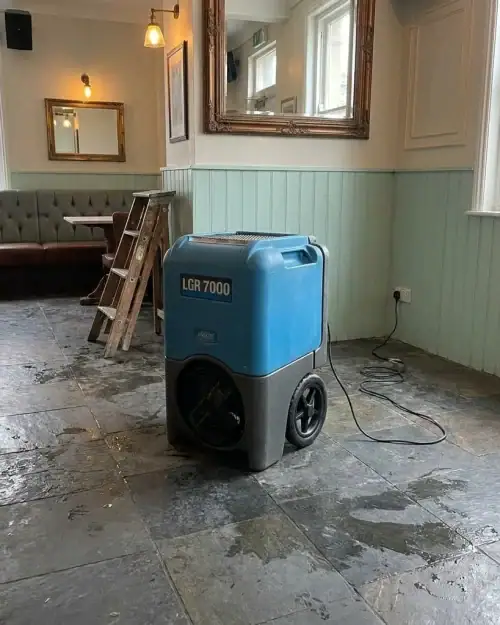
Drying & Heating
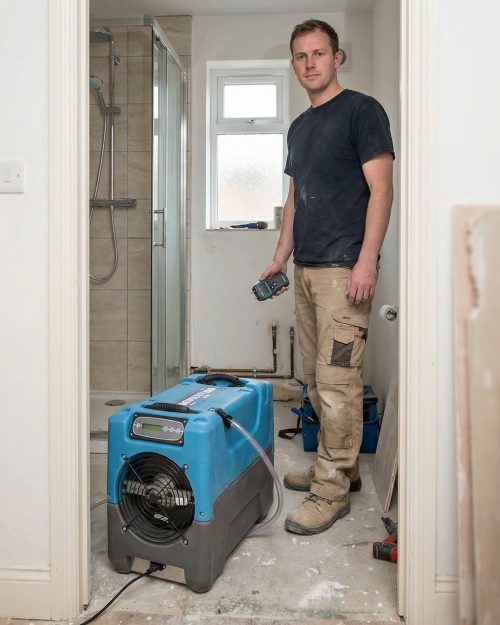
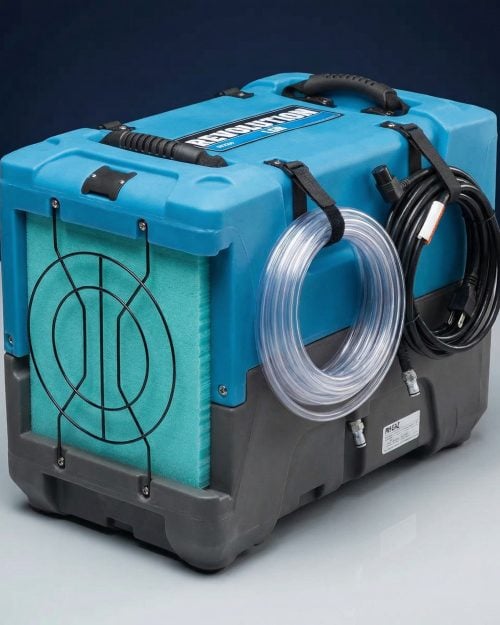
Industrial Dehumidifier Hire London | 230V Building Dryer (95L)
£19.99 - £149.99 + VAT
Latest estimated delivery date: Friday 21 August
Dehumidifier Hire London
Industrial Dehumidifier Hire London | 230V Low Grain (LGR) Building Dryer (63L)
£16.80 - £119.99 + VAT
Latest estimated delivery date: Friday 21 August
Dehumidifier Hire in London — compact units for homes and high-capacity machines for commercial drying, flood restoration and construction sites. Choose the right size below, then book online or request a quick quote.
Delivered across London from our Greenford / UB6 operating area. Delivery and collection costs depend on postcode zone, access and route timing. View full London delivery areas.
Dehumidifier Hire London
Domestic 20L to Industrial 95L · Condensation, Flood Recovery, Construction Drying
From £6.30/day + VAT
Next-Day Delivery
Tested Between Every Hire
Choosing a dehumidifier for hire comes down to three things: the size of the space, how severe the moisture problem is, and whether you are dealing with ongoing damp or actively drying after a flood, leak or build. Hireload stocks compact domestic units for single-room condensation through to industrial LGR dryers for construction sites and flood restoration — all delivered from our depot in Greenford.
Delivery across London — postcode-zoned pricing from UB6. Collection also available by booking. Not sure which unit? Call 020 3375 4048 and we will match the dehumidifier to the job.
Drying Calculator
Two quick questions and we'll size the right dehumidifier — and tell you how long to hire it.
Guide only — real drying time depends on how wet the space is, the building, temperature, airflow and any ongoing water coming in. Fresh plaster should cure 24–48h first and not be dried below ~55% RH. Not sure? Call us and we'll size it exactly.
How Big Is Your Moisture Problem?
Start here. Match the scale of the job to the right class of dehumidifier.
Domestic / Light
Condensation, mild damp, single room
Windows dripping in winter. Bathroom that always smells damp. A slightly wet wall after a minor leak. One unit, one room, plugs into a standard 230V socket.
20L Compact Domestic from £6.30/day
38L Domestic / Light Commercial from £8.40/day
Commercial / Post-Leak
Flood recovery, whole-flat drying, insurance work
Water damage across multiple rooms. Post-plastering dry-out on warm sites. Insurance-led flood restoration. Trade-grade units with continuous drainage, built to run 24/7.
55L Industrial Dryer from £12.50/day
Industrial / Construction
Building sites, cold spaces, heavy-duty extraction
New-build drying, multi-room commercial spaces, cold or unheated sites where standard refrigerant units lose efficiency. LGR technology keeps extracting as humidity drops below 50%.
Which Dehumidifier Do You Need?
Match the job to the unit. Room size, moisture severity, and site conditions decide the right choice — not litres per day alone.
| Your Job | Recommended Unit | Extraction | From / Day | Why This One |
|---|---|---|---|---|
| Bedroom condensation, mild damp | 20L Compact | Up to 20L/day | £6.30 | Quiet, easy to position, normal 230V plug. |
| Larger home, rental property, stronger damp | 38L Heavy-Duty | Up to 38L/day | £8.40 | Stronger extraction for warm domestic and post-leak rooms. |
| Compact trade use, tight-access commercial | 43L Compact Industrial | Up to 43L/day | £11.20 | Professional unit, smaller footprint than full-size dryers. |
| Flood response, water damage, whole-property | 55L Industrial | Up to 55L/day | £12.50 | Continuous drain, 24/7 operation. Flood restoration standard. |
| Construction, post-plaster, cold sites | 63L LGR Industrial | Up to 63L/day | £16.80 | Low-Grain Refrigerant. Keeps pulling moisture down to 20% RH, where standard refrigerant units stall. |
| Large commercial, multi-room drying | 95L High-Capacity | Up to 95L/day | £19.99 | Maximum extraction for site-scale drying jobs. |
Extraction figures are manufacturer-rated at optimal lab conditions (30°C, 80% RH). Real-world output is lower — think of these as size classes, not daily promises. All prices + VAT.
How Much Does Dehumidifier Hire Cost?
Transparent pricing. No hidden fees. All rates per day + VAT, with weekly rates available on every unit.
Domestic Units (20L–38L)
From £6.30 /day + VAT
Homes, flats, rental properties. Weekly rates from £44.10. Book online and choose your delivery date.
Industrial Units (43L–95L)
From £11.20 /day + VAT
Trade-grade, continuous drainage, built for 24/7 operation. Call for weekly and multi-unit rates.
What does a dehumidifier cost to run?
A compact domestic unit typically draws 200–400W — roughly 50p to £1 per day in electricity at current UK rates. Industrial units draw 500–800W but cycle their compressors automatically, so they are not running at full power the entire time. For most hire jobs, the electricity cost is minor compared to the damage that continued moisture causes.
Delivery is charged separately, based on postcode zone. See delivery zones and pricing.
For longer hires or multiple units, call 020 3375 4048 for a tailored quote.
Should You Hire or Buy a Dehumidifier?
The answer depends on whether your moisture problem is temporary or permanent.
Hire makes sense when...
You are dealing with a one-off event: a burst pipe, a flooded kitchen, post-plastering moisture, or a property you are preparing for tenants. Hiring gives you a professional-grade machine for the duration of the job without spending £1,000–£2,000 on a unit you may never need again.
A typical domestic hire — 1–2 weeks with a 20L unit — costs a fraction of buying, and you get a machine that has been tested and maintained between every hire.
Buying makes sense when...
The moisture problem is structural and ongoing: a basement that is always damp, a property with poor ventilation, or a space that needs year-round humidity control. In those cases, owning the unit may be more cost-effective over months or years.
Not sure whether the problem is temporary? Start with a short hire. A week with the right dehumidifier tells you whether the moisture is a fixable event or a building issue — before you commit £1,000+.
Which Drying Setup Fits Your Job?
Simple
Ongoing damp or condensation
A correctly sized dehumidifier on its own is normally enough. Close windows, set it running, and empty the tank as needed. Air movers and heaters are not usually required.
Moderate
Leak or flood clean-up
Pair a dehumidifier with one or more air movers to dry carpets, floors and skirting faster. The dehumidifier handles the airborne moisture the air movers release from surfaces.
Heavy
Construction or post-plaster drying
An LGR or high-capacity dehumidifier is the core machine. Air movers circulate air across large surfaces, and in colder months a heater keeps the space warm enough for the drying cycle to work.
Cold Site
Unheated or empty property
Below 15°C, refrigerant dehumidifiers lose efficiency. Pair with a heater — warming the room first is often the single fastest route to a dry space in winter.
How to Get the Best Results from a Hire Dehumidifier
The machine does the work, but placement and setup make a real difference to how quickly the space dries.
Close windows and doors
A dehumidifier cannot compete with fresh humid air constantly entering the room. Seal the space, let the machine bring the humidity down, and ventilate once drying is complete.
Position centrally, off the wall
Leave at least 30cm clearance around the unit so it can draw in and push out air freely. Placing it in a corner restricts airflow and slows the whole process.
Use continuous drainage where possible
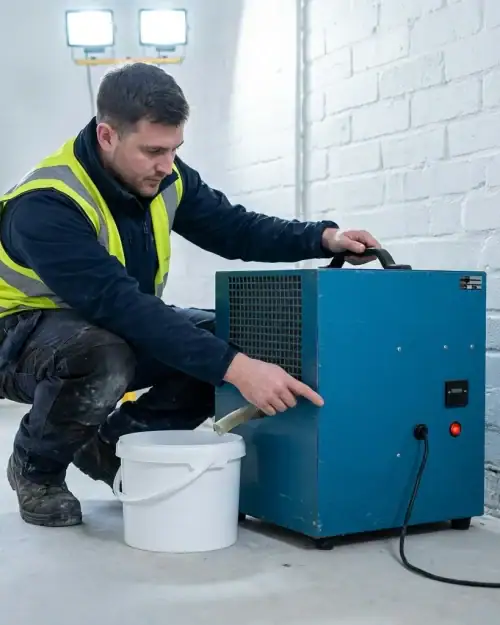
Most industrial units support continuous drain via a hose to a sink or drain. This means the machine runs 24/7 without stopping when the tank fills — critical for flood and construction jobs.
Add heat in cold conditions
If the room is below 15°C, the dehumidifier will struggle. Running a heater for a couple of hours before switching on the dehumidifier can cut total drying time significantly.
How Does a Dehumidifier Work?
Understanding the technology helps you choose the right unit and get faster results.
Standard Refrigerant
The most common type. Draws in damp air, passes it over cold coils to condense the moisture, collects the water in a tank or pumps it away, and pushes dry air back out. Works best in warm, humid conditions above 15°C. Most domestic and commercial hires use this technology.
LGR (Low-Grain Refrigerant)
An advanced version of refrigerant technology. LGR units pre-cool the incoming air using a dual coil system, so they carry on extracting down to around 20% RH. A standard refrigerant unit is rated to about 40% and slows well before it gets there. Choose LGR for construction sites, flood restoration, or any job that needs deep, thorough drying to a specific moisture target.
Three machines, one drying system
For most domestic damp, a dehumidifier alone is enough. For active drying after a leak, flood or build, three machines work together: the dehumidifier removes moisture from the air, an air mover pushes airflow across wet surfaces to speed evaporation, and a heater raises the temperature so the dehumidifier can work at full efficiency.
Dehumidifier vs air mover — what's the difference?
They do different jobs and work best together.
| What it does | Dehumidifier | Air mover |
|---|---|---|
| Removes moisture from the air | Yes | No |
| Speeds evaporation off wet surfaces | No | Yes |
| Best for condensation & ongoing damp | Yes | No |
| Best for carpets & soaked floors | Limited | Excellent |
Fastest flood & leak recovery: run both together — the air mover lifts moisture off surfaces, the dehumidifier pulls it from the air. See our drying packages.
What Does "Litres Per Day" Actually Mean?
Every dehumidifier is rated in litres per day, but those numbers come from lab tests at 30°C and 80% humidity. A typical UK room sits at 18–22°C — cooler and drier — so real-world extraction is always lower than the headline figure.
A "55L" machine in a single damp bedroom is overkill. A "20L" unit in a flooded lounge is underpowered. The right dehumidifier depends on room size, air temperature, the cause of the moisture, and how quickly the space needs to be back in use.
Think of the litre rating as a size class, not a daily promise. Tell us the job and we will tell you which class fits.
What you'll actually get: as a rough real-world guide — a cooler UK room around 20°C and 60% humidity — expect roughly: 20L compact up to ~6L/day, 38L ~11L, 43L ~28L, 55L ~28L, 63L LGR ~36L, 95L ~58L. These are typical figures, not guarantees: warmer, wetter air gives more; cold, dry air gives less.
Size class guide
20–38L
Domestic — bedrooms, flats, mild damp
43–55L
Commercial — post-leak, trade use, floods
63–95L
Industrial — construction, cold sites, heavy extraction
Flood or Water Damage? Start Drying Now
If you have standing water, remove it first — pumps, wet vacuums, towels. Once the bulk water is gone, get dehumidifiers running immediately. The first 48 hours are critical for preventing mould growth and limiting secondary damage to plaster, timber and flooring.
For insurance claims, photograph everything before and during the drying process. Most home and buildings insurance policies cover dehumidifier hire as part of water damage restoration. Keep your hire invoice — we provide a clear, itemised document that insurers typically accept without issue.
Need units urgently? Call 020 3375 4048 — next-day delivery available on most orders, same-day by phone for emergencies.
Flood Response Checklist
1. Remove standing water and saturated soft furnishings
2. Photograph all damage for your insurance claim
3. Close windows and doors, then start dehumidifiers
4. Point air movers at the wettest surfaces
5. In cold rooms, add a heater to raise the temperature
6. Run 24/7 until walls and floors read dry on a moisture meter
Why Hire Dehumidifiers from Hireload?
Right-Sized Advice
Tell us the room and the problem. We recommend the right unit, not the most expensive one. If a 20L is enough, we will say so.
Tested Between Every Hire
Every dehumidifier returns to the depot, gets inspected, cleaned and function-tested before the next hire. Not a marketing claim — a depot standard.
Next-Day Delivery
Choose your delivery date at checkout. We deliver from Greenford across London. Same-day available by phone for emergencies.
Flexible Hire Periods
Weekly pricing, no hidden day rates. Need it longer? Extend by phone. Finished early? We collect — no penalty.
Dehumidifier Delivery Across London
All dehumidifiers are delivered from our depot in Greenford, UB6. Standard delivery and collection is £35 + VAT for the next working day, and that covers both trips — there is nothing further to pay when we collect at the end. Priority before 11am is £59, and same-day is £69 where the route allows. Every job runs with a named driver, a live tracking link and a call thirty minutes before he arrives. Collecting from the depot yourself is free — bring photo ID.
Dehumidifier Hire FAQs
Related Drying and Heating Equipment
Air Movers and Carpet Dryers — speed up surface drying alongside a dehumidifier
Heaters — raise ambient temperature so the dehumidifier works at full efficiency
Delivery Zones and Pricing — see what delivery costs for your postcode
Not Sure Which Dehumidifier You Need?
Tell us the room, the problem, and how fast you need it dry. We will recommend the right unit — and tell you if you need an air mover or heater alongside it.
 Drone Survey & Mapping
 Drone Inspections