
 Drone Services
 Access Equipment
 Breaking & Drilling
 Cleaning Equipment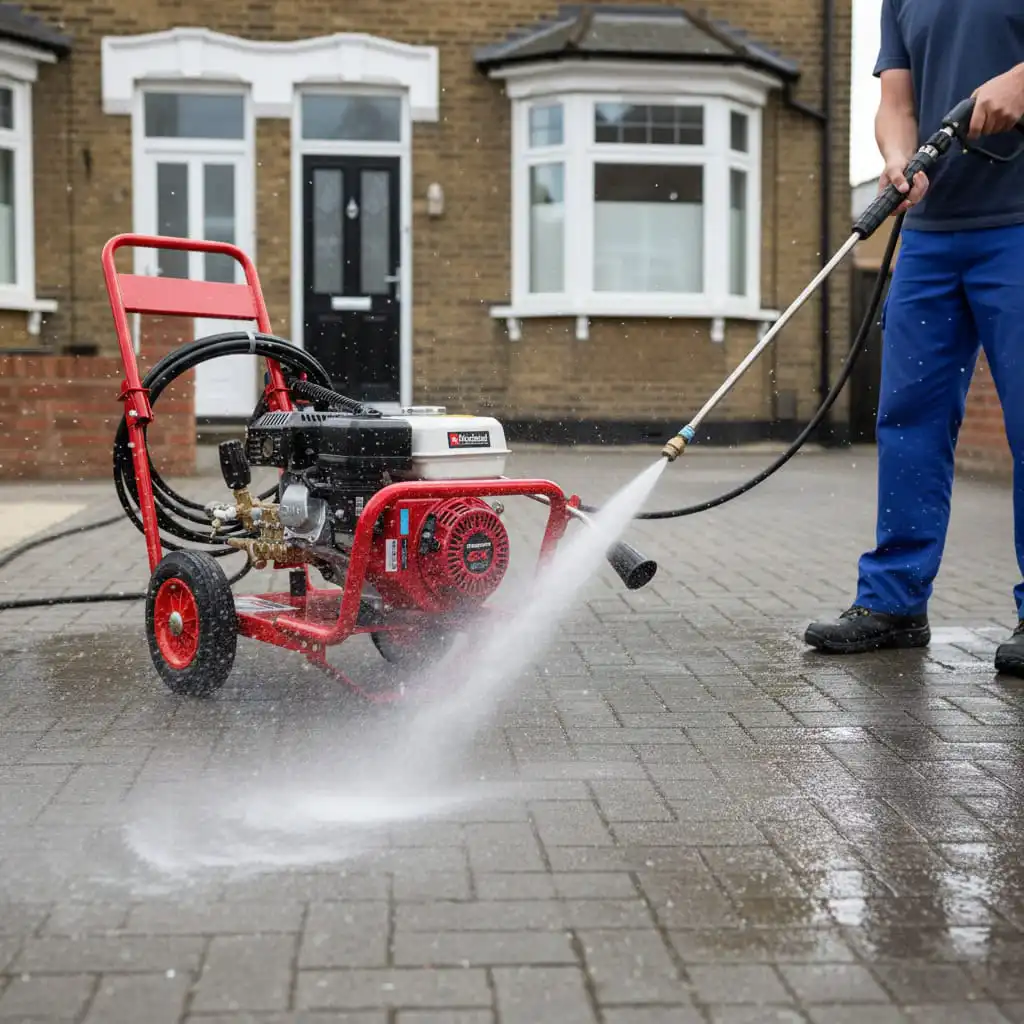
 Drying & Heating
 General Site Tools
Equipment Hire Guides
End-of-Tenancy Cleaning Equipment — What Do You Actually Need to Hire?
What Inventory Clerks Actually Check
Understanding what gets checked helps you focus your effort and equipment on what matters.
Inventory clerks and landlords typically assess:
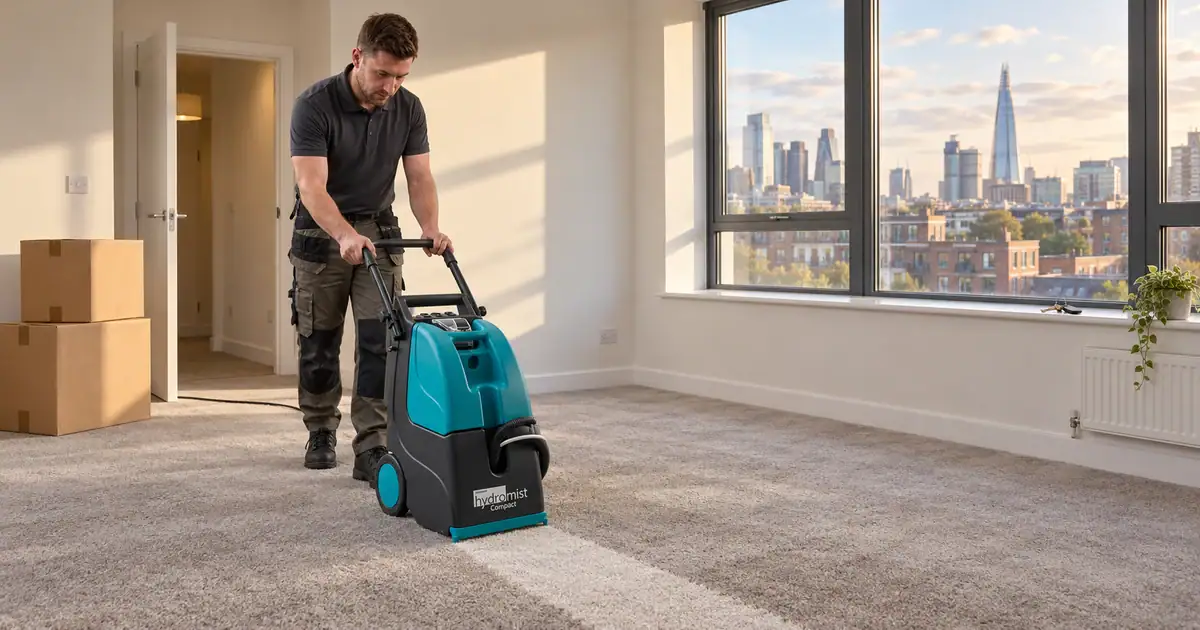
Carpets and flooring. Stains, discolouration, and general wear beyond normal use. Properly cleaned carpets that still show some wear are fine — the standard is “professionally cleaned condition,” not “brand new.”
Kitchen surfaces and appliances. Oven interior, hob, extractor fan, inside cupboards, behind appliances. The oven is the single most common deduction item on deposit returns.
Bathroom fixtures. Limescale, grout condition, silicone mould, behind the toilet, bath panel. Cleaned thoroughly but not replaced — that’s the landlord’s responsibility.
Windows (inside). Glass, frames, and sills. Exterior windows are generally not expected to be tenant-cleaned.
Outdoor spaces. If you have a patio, balcony, or garden, it should be in reasonable condition. Heavy moss or algae buildup on hard surfaces may trigger a deduction.
Room-by-Room Equipment Guide
Living Room / Bedrooms
Main task: Carpet cleaning
Equipment: Carpet cleaner (hot water extraction type)
Time: 30-45 minutes per room with a hired machine
Carpets are the highest-impact item in these rooms. A single pass with a hired carpet cleaner visibly freshens the pile and removes surface staining. For heavy stains (wine, coffee, pet marks), pre-treat individual spots before running the machine.
Kitchen
Main task: Deep clean of oven, hob, extractor, surfaces
Equipment: Standard cleaning supplies (no specialist machinery needed for most kitchens)
Time: 2-3 hours for a thorough kitchen clean
The kitchen rarely needs hired machinery. A good oven cleaner, degreaser, and manual effort handle most tasks. The one exception: if the kitchen floor is hard tile or vinyl over a large area, a floor scrubber makes a noticeable difference compared to hands-and-knees scrubbing.
Bathroom
Main task: Limescale removal, grout cleaning, mould treatment
Equipment: Limescale remover, grout brush, mould spray. Rarely needs machinery.
Time: 1-2 hours per bathroom
Like the kitchen, bathrooms are largely a manual job. Chemical products do most of the work — a limescale remover on taps and shower screens, a mould spray on grout and silicone, and elbow grease behind the toilet.
Hallway / Stairs
Main task: Carpet or hard floor cleaning
Equipment: Carpet cleaner for carpeted stairs, or mop for hard floors
Time: 30-60 minutes
Stairs are the most awkward area for a carpet cleaning machine. Most hired carpet cleaners have a smaller handheld attachment for stairs — confirm this is included when you book.
Outdoor Space (Patio / Balcony)
Main task: Remove moss, algae, and general grime from hard surfaces
Equipment: Pressure washer
Time: 1-2 hours for a standard patio
If you have a patio or balcony with hard surfaces, a pressure washer transforms it in an afternoon. Moss and algae that would take hours of scrubbing come off in minutes. See our patio pressure washing guide for technique.
The Equipment You’ll Need (Complete List)
Standard 2-3 Bedroom Flat (No Outdoor Space)
| Equipment | Needed? | Estimated Cost | Purpose |
|---|---|---|---|
| Carpet cleaner | Yes | £25-50/day | Living rooms, bedrooms, hallway |
| Industrial vacuum | Helpful | £20-30/day | Detail work, post-clean dust |
| Pressure washer | No | — | No outdoor hard surfaces |
| Floor scrubber | Rarely | £40-60/day | Only for large hard-floor kitchens |
| Total hire cost | £45-80 |
3-4 Bedroom House with Garden
| Equipment | Needed? | Estimated Cost | Purpose |
|---|---|---|---|
| Carpet cleaner | Yes | £25-50/day | All carpeted rooms + stairs |
| Industrial vacuum | Helpful | £20-30/day | Post-clean detail, garage, utility |
| Pressure washer | If patio/driveway | £40-60/day | Outdoor hard surfaces |
| Floor scrubber | If large kitchen/utility | £40-60/day | Hard floor areas |
| Total hire cost | £85-170 |
DIY vs Professional — When Each Makes Sense
Professional end-of-tenancy clean: £200-400, completed in 4-8 hours by a team, often includes a re-clean guarantee if the landlord isn’t satisfied.
DIY makes sense when:
Your deposit amount is modest and the professional cost is a large percentage of it. The property is small and relatively clean. You have the time and energy for a full day of physical work. You’re comfortable operating cleaning equipment.
Professional makes sense when:
Your deposit is significant (£1,000+) and you need certainty. The property needs heavy cleaning (end of a long tenancy). The landlord or agent is known to be strict on checkout condition. You don’t have time for a full day of cleaning. The professional service offers a re-clean guarantee.
Timeline and Planning
Two weeks before move-out: Book your equipment hire and schedule delivery for your cleaning day. Book early — end-of-month dates fill up.
One week before: Buy cleaning products (oven cleaner, limescale remover, mould spray, all-purpose cleaner, bin bags).
Cleaning day — suggested order:
1. Oven and kitchen (apply oven cleaner first — it needs to soak)
2. Bathrooms (apply mould and limescale products)
3. Carpet cleaning (all rooms — work from far room toward the exit)
4. Hard floors and surfaces
5. Outdoor pressure washing (if applicable)
6. Windows (inside)
7. Final vacuum and detail pass
8. Return equipment
One day after: Walk through with fresh eyes. Touch up anything you missed. Take dated photographs of every room as evidence of condition at handover.
FAQ
Is it worth hiring a carpet cleaner for end of tenancy?
Do I need a professional clean to get my deposit back?
How long does an end-of-tenancy clean take?
Can I claim cleaning equipment hire against my deposit?
What if my landlord still deducts from my deposit after I’ve cleaned?
Related guides: How to use a carpet cleaner | Hire vs professional carpet cleaning | How to pressure wash a patio | Which equipment do I need?

 Drone Survey & Mapping
 Drone Inspections