
 Drone Services
 Access Equipment
 Breaking & Drilling
 Cleaning Equipment
 Drying & Heating
 General Site Tools
Equipment Hire Guides
Rising Damp vs Condensation vs Penetrating Damp: How to Tell the Difference
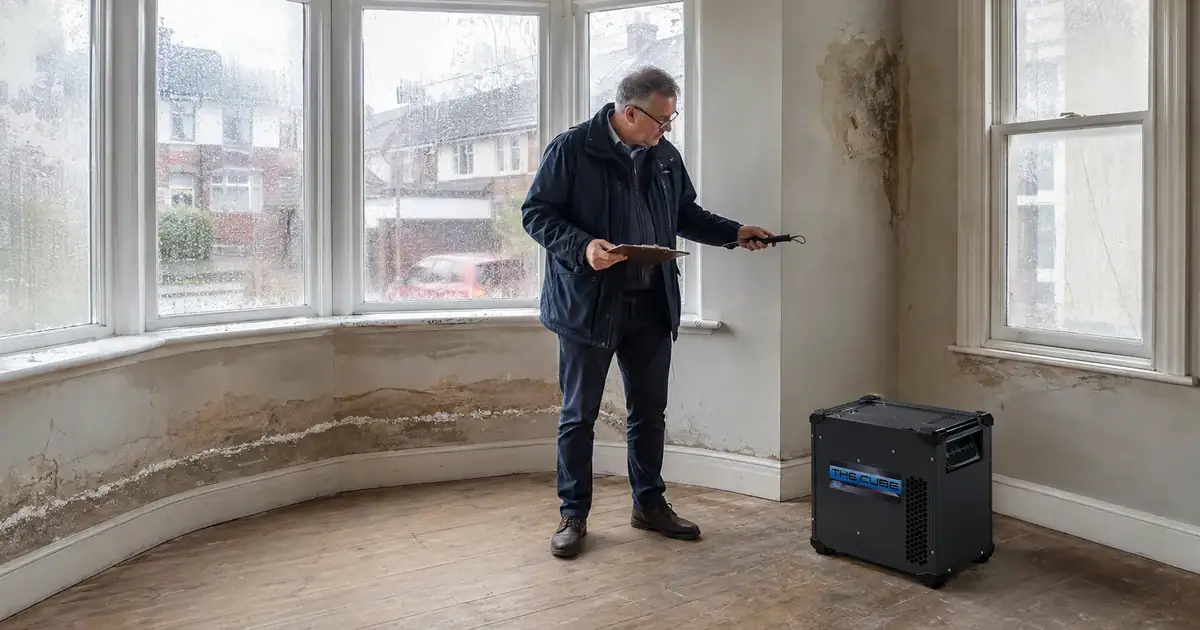
Why Getting the Diagnosis Right Matters
The three types of damp have different causes, different treatments, and different costs. Treating the wrong type wastes money and leaves the real problem untouched.
Condensation can often be fixed for under fifty pounds with better ventilation and a dehumidifier. Rising damp treatment can cost thousands. If someone tells you that you have rising damp when the real issue is condensation, you could be paying for work you do not need.
This guide walks through each type with clear visual indicators so you can make an informed decision before calling in a specialist.
Condensation: What It Looks Like and Why It Happens
Condensation is by far the most common damp problem in UK homes. It accounts for roughly 90% of all damp complaints and is particularly widespread in rented properties, older buildings with poor insulation, and homes where ventilation has been reduced to save on heating.
It happens when warm air carrying water vapour meets a cold surface. The air cools below its dew point and releases moisture as liquid droplets. This is the same process that makes a cold glass of water sweat on a warm day.
Where condensation appears
Windows are the first place you will notice it, especially single-glazed or poorly sealed double-glazed units. External walls that are colder than internal partition walls are next. Corners where two external walls meet are particularly vulnerable because they lose heat from two directions. Behind large pieces of furniture pushed tight against external walls is another common spot, because the furniture blocks air circulation and creates a cold, still pocket.
Timing and pattern
Condensation is seasonal. It is worst between October and April when the temperature difference between inside and outside is greatest. It tends to appear overnight and is most visible first thing in the morning. Rooms where moisture is produced (kitchens, bathrooms, bedrooms where clothes are dried) are affected first.
What condensation mould looks like
Condensation produces black mould (Aspergillus niger) that grows on the surface of walls and ceilings. It typically starts as small black spots in corners, around window frames, and on the ceiling near external walls. It can be wiped off with a fungicidal wash, but it will return unless the underlying humidity issue is addressed.
Penetrating Damp: What It Looks Like and Why It Happens
Penetrating damp is water entering your home from outside through a specific defect. Unlike condensation, it is not caused by indoor humidity. The water comes from rain, leaking gutters, or defective external surfaces.
Where penetrating damp appears
Penetrating damp creates localised wet patches that correspond to an external problem. If a gutter is leaking, you will see damp on the wall directly below it. If pointing has failed on a chimney breast, the chimney breast wall inside will be wet. If a window seal has failed, the reveal around the window will show staining.
Penetrating damp can appear on any floor, not just ground level. An upper-floor bedroom with a damp patch on the ceiling near the eaves almost certainly has a roof or flashing problem above it.
Timing and pattern
The defining characteristic of penetrating damp is its relationship to rainfall. The wet patch appears or worsens during or shortly after heavy rain, and may improve during dry periods. This is the clearest way to distinguish it from condensation.
Rising Damp: What It Looks Like and Why It Happens
Rising damp is groundwater travelling upward through porous masonry by capillary action. A properly functioning damp-proof course (DPC) stops this at low level. Rising damp occurs when the DPC is damaged, missing, or bridged.
It is the least common of the three types but the most expensive to treat properly. It is also the most frequently misdiagnosed, with some damp-proofing companies attributing condensation or plumbing leaks to rising damp in order to sell DPC injection work.
Drying Calculator
Two quick questions and we'll size the right dehumidifier — and tell you how long to hire it.
Where rising damp appears
Rising damp affects ground-floor walls only. Moisture cannot travel more than about 1.2 metres up a wall through capillary action alone. The classic sign is a horizontal “tide mark” at a consistent height along the base of the wall, with the area below it being damp and the area above dry.
You may also see white crystalline deposits (salts) on the wall surface. These are mineral salts carried up from the ground by the moisture and left behind as the water evaporates at the surface.
Timing and pattern
Rising damp is relatively constant. It does not fluctuate dramatically with the seasons the way condensation does, although it may worsen slightly when the water table is higher (typically winter and early spring). The key difference from condensation is that the damp is at the base of the wall, not on windows or upper wall sections.
Side-by-Side Comparison
Use this table to compare the three types of damp at a glance.
| Feature | Condensation | Penetrating | Rising |
|---|---|---|---|
| Cause | Excess indoor humidity | External defect (roof, gutter, crack) | Failed or bridged DPC |
| Location | Windows, corners, cold walls | Localised near defect, any floor | Ground floor only, below 1m |
| Worse when | Winter mornings, after cooking/bathing | During or after heavy rain | Relatively constant year-round |
| Mould/marks | Black surface mould | Staining, plaster decay | White salt crystals, tide mark |
| Smell | Musty, stale | Damp, sometimes chemical | Earthy, soil-like |
| Fix cost | Low (ventilation + dehumidifier) | Medium (repair + drying) | High (DPC + replaster + drying) |
| Dehumidifier helps? | Yes, primary solution | Yes, for drying after repair | Yes, essential post-treatment |
The Foil Test: A Simple DIY Diagnosis
This is the most reliable DIY method for distinguishing condensation from damp that is coming through the wall.
Tape a piece of kitchen foil (approximately 30cm square) flat against the damp area of the wall. Ensure the edges are sealed with tape so air cannot get behind it. Leave it in place for 24 to 48 hours, then remove it and check both sides.
This test is not foolproof. In some cases, you may have both condensation and another type of damp simultaneously. But it gives you a starting point and useful information to share with a surveyor if you need one.
What to Do Once You Know Which Type You Have
If it is condensation
Improve ventilation immediately. Open trickle vents, use extractor fans, and avoid drying clothes indoors where possible. For persistent condensation, hire an industrial dehumidifier to bring humidity levels down quickly while you make longer-term improvements.
If you are a landlord, respond promptly. Under Awaab’s Law, social housing providers now face strict timescales for investigating and remedying damp and mould. A dehumidifier hire is a fast first response while ventilation works are scheduled.
If it is penetrating damp
Identify and fix the external defect first. This might be repointing, gutter repair, roof work, or sealing around windows. Once the source of water is stopped, hire drying equipment to remove the trapped moisture from the masonry. A dehumidifier paired with air movers will dry saturated walls significantly faster than waiting for natural evaporation.
If it is rising damp
Get an independent survey from a PCA-accredited specialist. Do not rely on a free survey from a company that also sells DPC treatment. Once the DPC is installed or the external ground level is corrected, the walls will need thorough drying before replastering. This is typically a multi-week process using industrial dehumidifiers running continuously.
Equipment Available for Drying
We deliver drying equipment across London for all types of damp remediation.
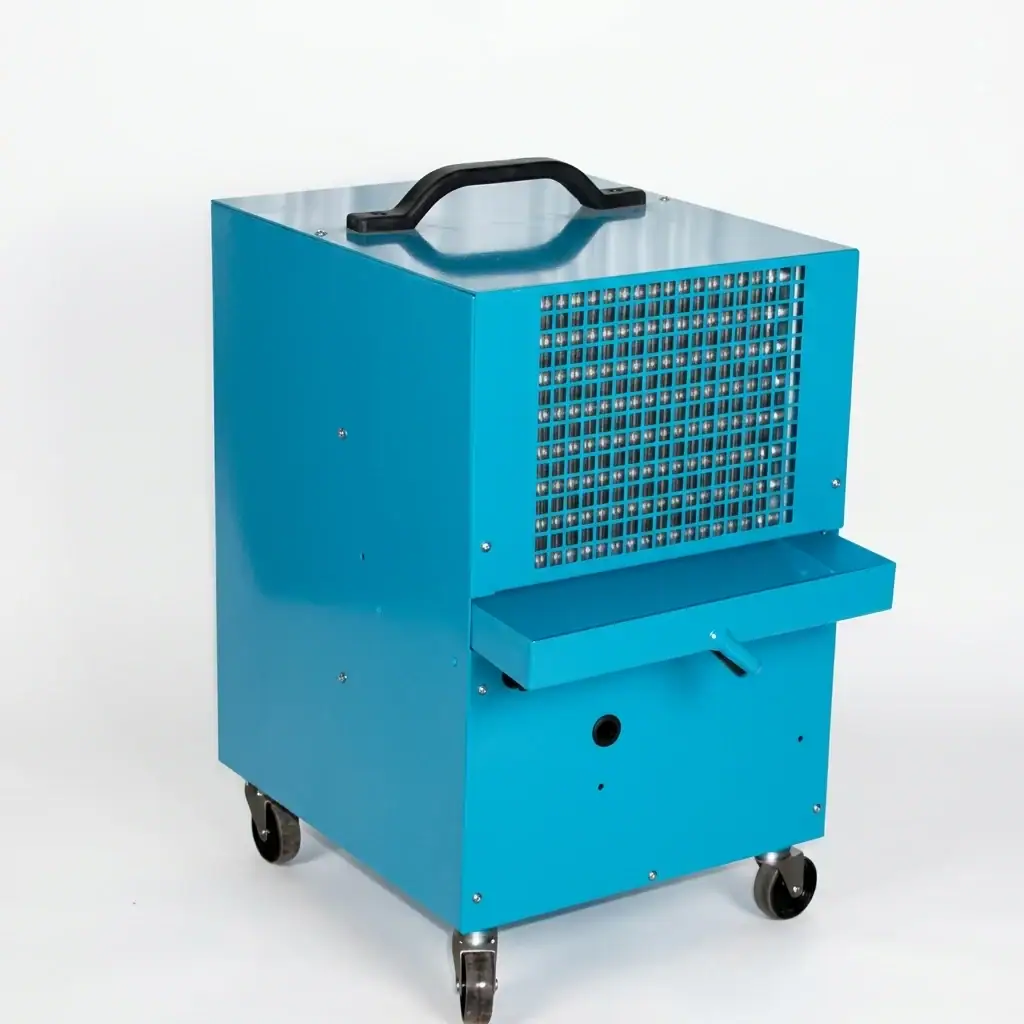
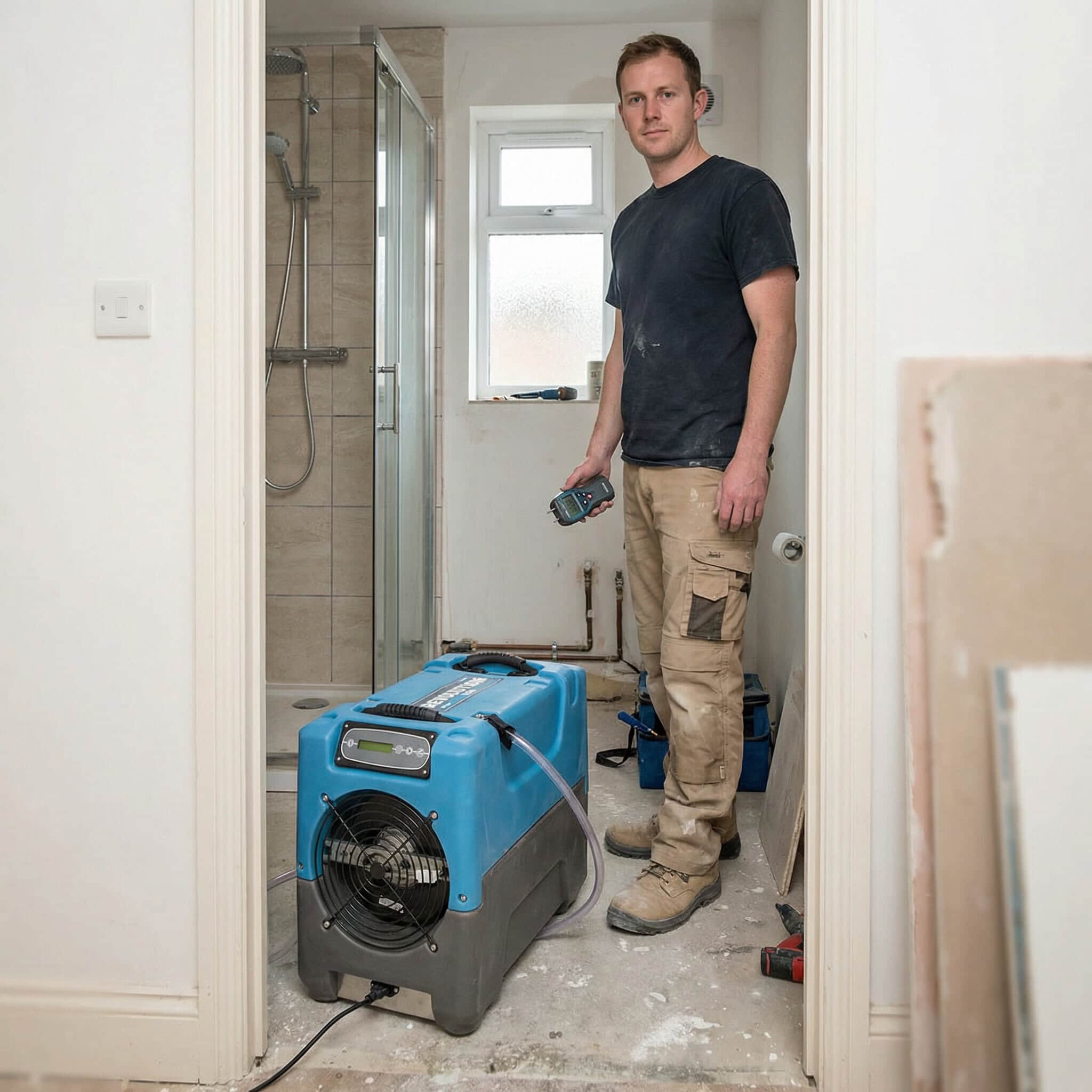
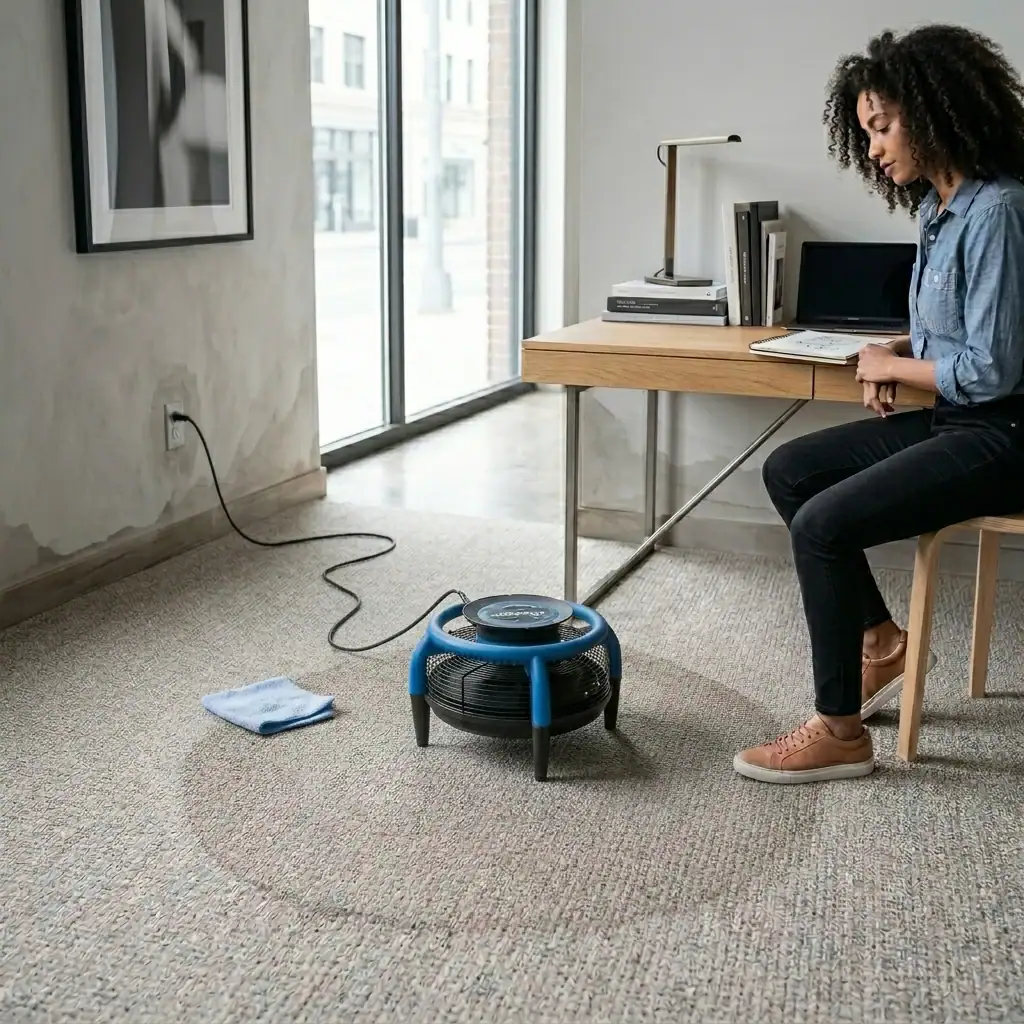
Dehumidifiers
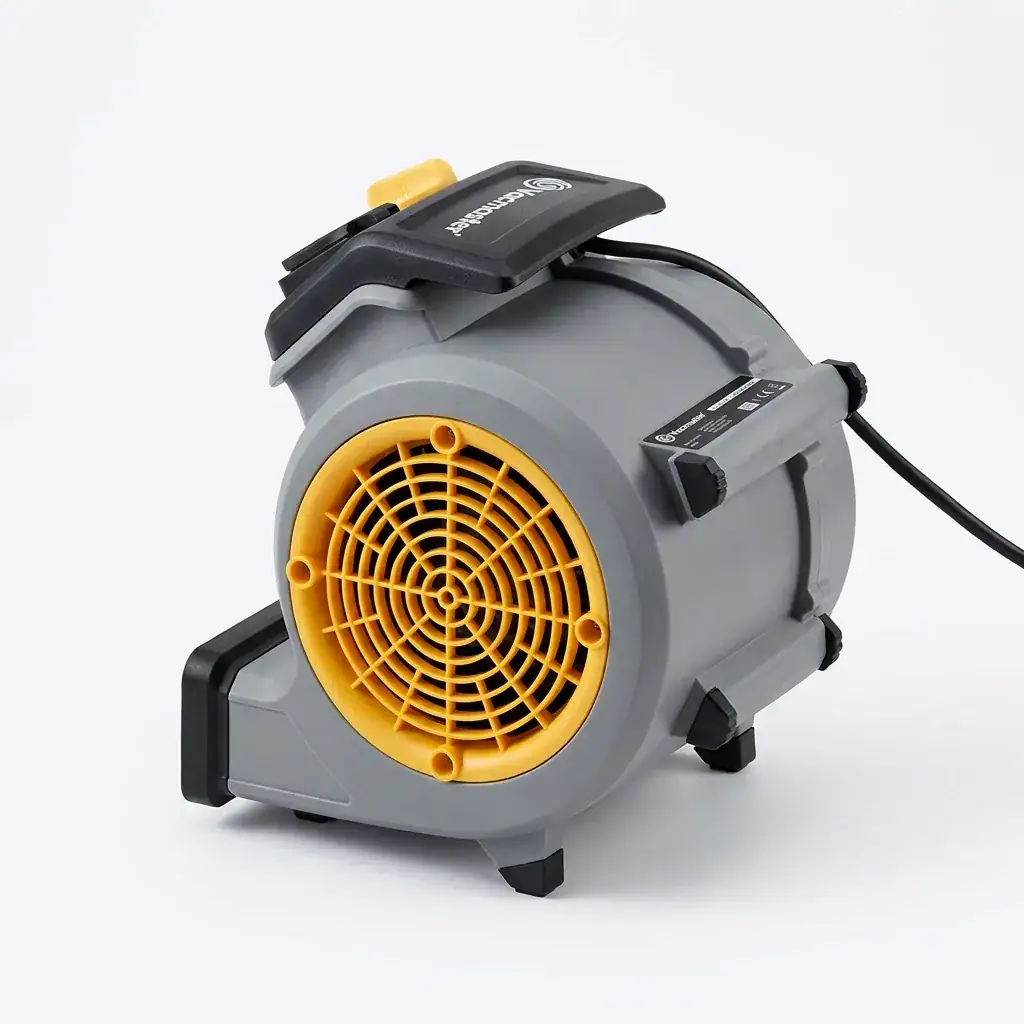
Air Movers
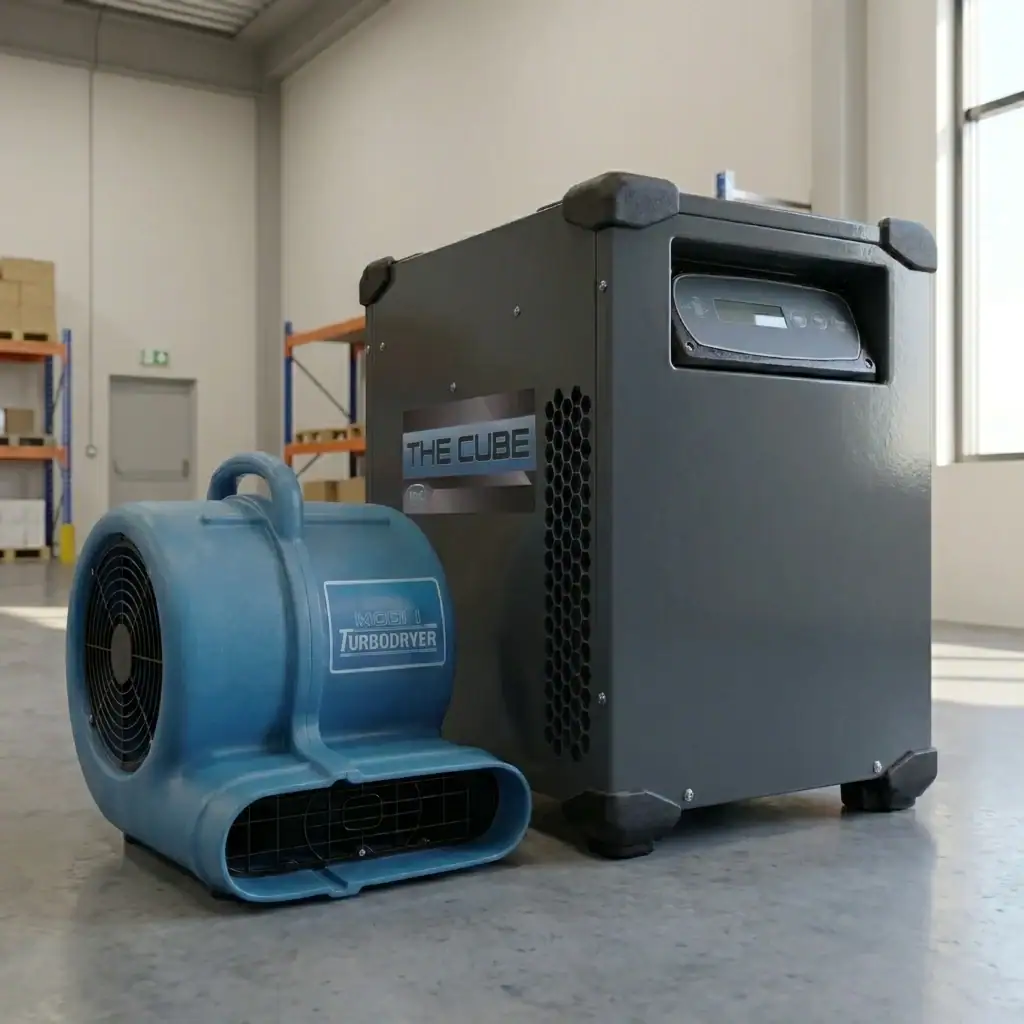
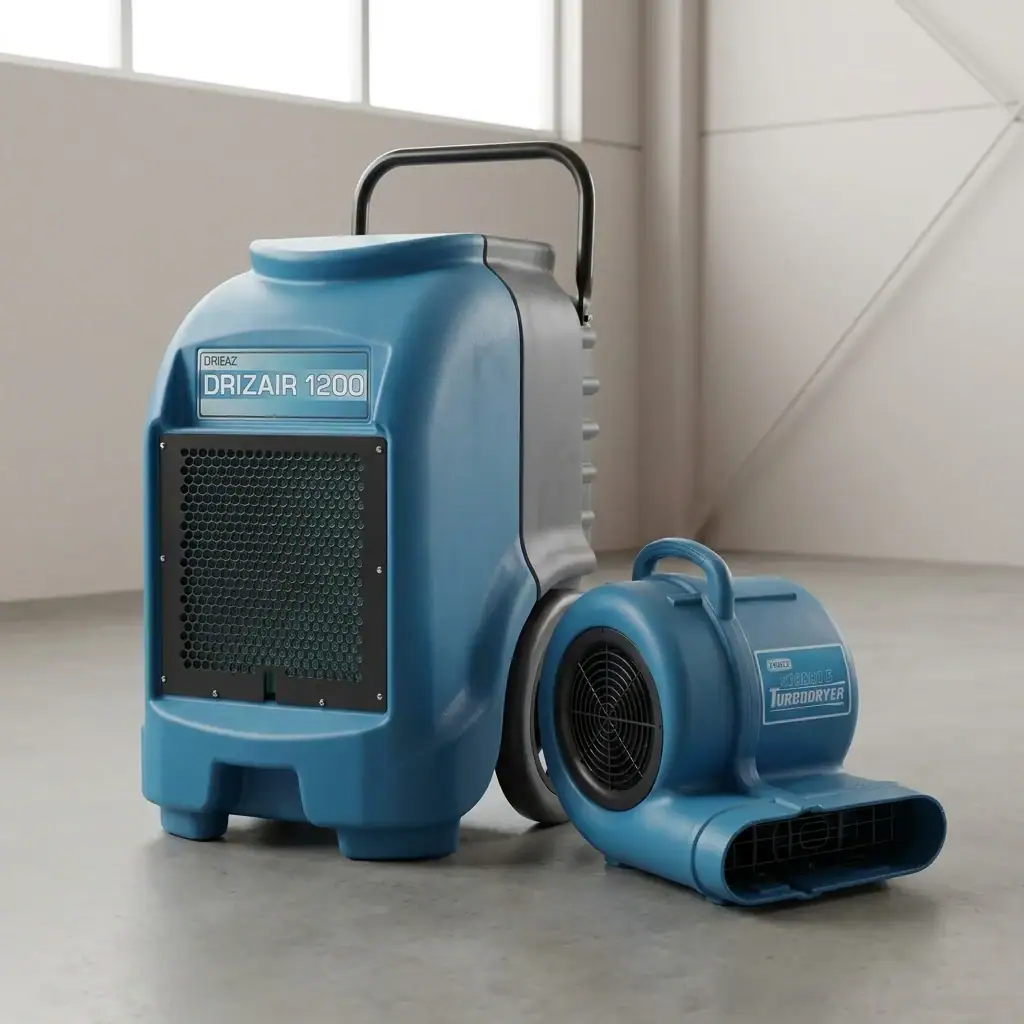
Drying Packages
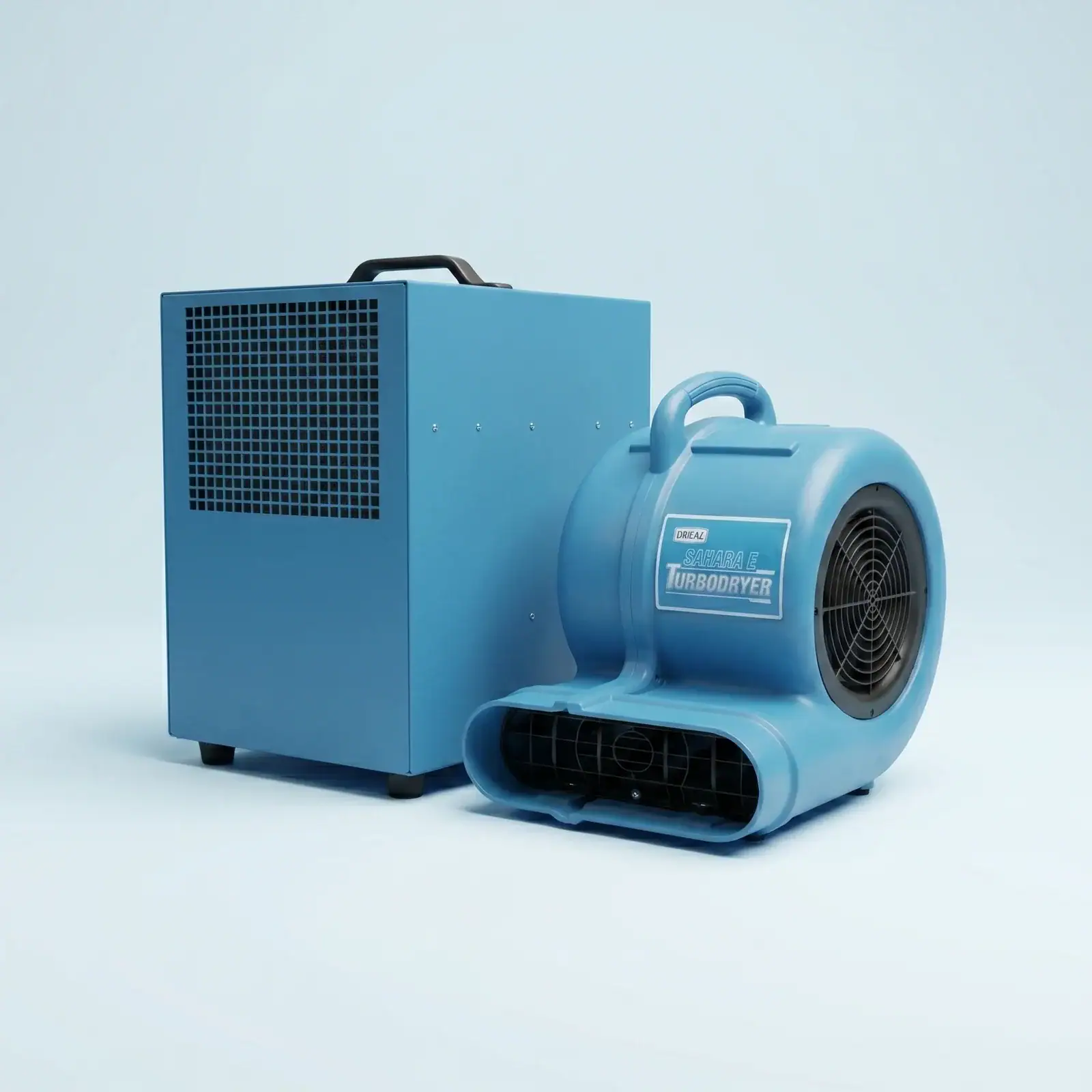
If it is condensation, what the fix costs
Only one of the three is solved by a machine. A 19L dehumidifier is £19.99 + VAT for a day and £34.99 for up to a week; a 38L commercial unit for a whole flat or floor is £29.99 a day, £59.99 for up to a week. Prices are ex-VAT and match each product page; a refundable deposit applies and comes back in full when the machine returns undamaged.
Use it as a test, not just a fix. Run a dehumidifier for a week and watch the marks. If they stop spreading and the tank keeps filling, the moisture was in the air and you have found your answer. If the marks carry on with the machine running, it is penetrating or rising damp — and that money belongs with a builder, not with hire equipment.
Related Guides
These guides cover related damp and drying topics in more detail.
How to Solve a Damp ProblemHow to Dry a Room After a LeakWhat Size Dehumidifier Do I Need?Plaster Still Wet After a Week?Frequently Asked Questions
Can I have more than one type of damp at the same time?
How accurate is a damp meter reading?
Is rising damp real or a myth?
Will a dehumidifier fix penetrating damp?
How much does a damp survey cost in the UK?
Related guides
If it turns out to be condensation, this is the fix. Read: how to stop condensation on windows and walls.
Where there is a pool or spa in the building, condensation is almost always the answer — but the volumes involved are in a different league. Pool and spa room condensation has the figures.
If the Answer Was Condensation
Rising and penetrating damp need a builder, not a machine. Condensation is the one of the three a dehumidifier actually fixes — and a week of hire tells you for certain which one you have.
Browse DehumidifiersNot sure which of the three you are looking at? Describe the marks and where they sit and we will tell you honestly whether hire will help. Call 020 3375 4048 or message us on WhatsApp.

 Drone Survey & Mapping
 Drone Inspections