
 Drone Services
 Access Equipment
 Breaking & Drilling
 Cleaning Equipment
 Drying & Heating
 General Site Tools
Equipment Hire Guides
How to Solve a Damp Problem in Your House
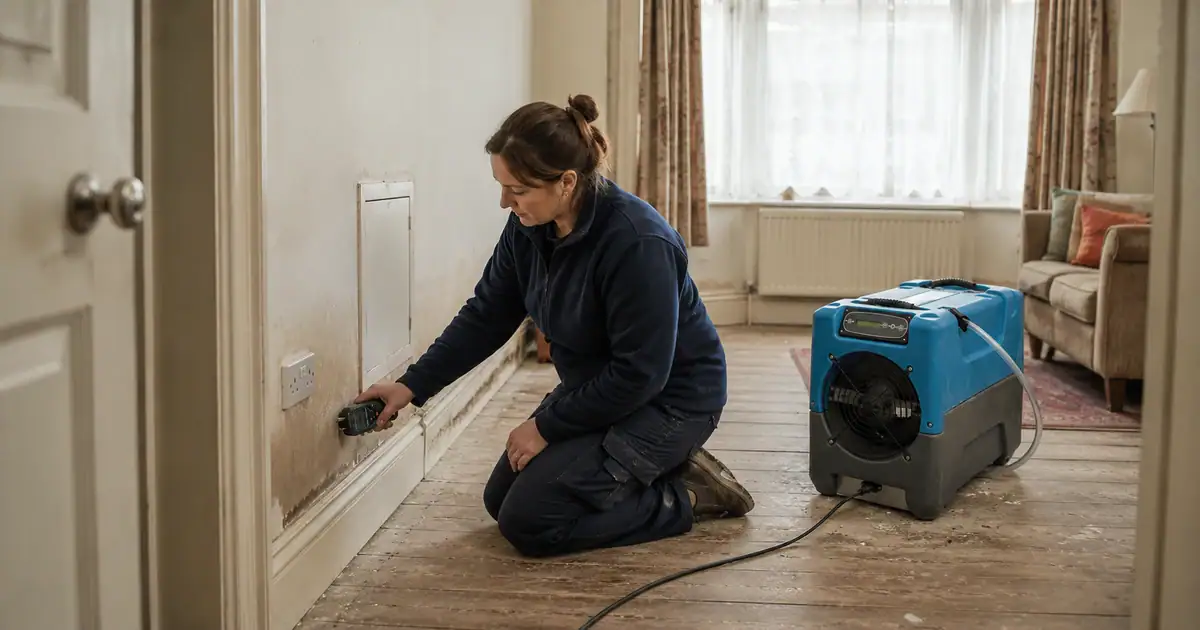
What Causes Damp in a House?
Damp is not a single problem. It is a symptom, and the cause determines the fix. Before spending money on treatments, paints, or equipment, you need to identify which type of damp you are dealing with.
The three types of damp behave differently, appear in different places, and require different solutions. Getting the diagnosis wrong means wasting money on a fix that will not work.
Condensation: The Most Common Damp Problem
Condensation causes roughly 90% of damp complaints in UK homes. It happens when warm, moisture-laden air meets a cold surface and the water vapour turns back into liquid. You will see it on windows first, but it also forms on cold walls, behind furniture, and inside poorly ventilated cupboards.
Common sources of indoor moisture include cooking, showering, drying clothes indoors, and even breathing. A family of four produces roughly 14 litres of moisture per day through normal activities.
Signs of condensation
Water droplets on windows (especially in the morning), black mould on walls or ceiling corners, musty smell in rooms with poor airflow, and damp patches that appear worse in winter and improve in summer.
How to fix condensation
Open trickle vents on windows. Use extractor fans in kitchens and bathrooms during and after cooking or showering. Avoid drying clothes on radiators. Keep a gap between furniture and external walls so air can circulate. Maintain a consistent indoor temperature rather than sharp heating cycles.
For persistent condensation, a dehumidifier is the most effective solution. An industrial dehumidifier can extract 38 litres or more per day, bringing humidity down to safe levels within hours rather than weeks. This is especially important in properties where tenants cannot keep windows open due to noise, security, or cold weather.
Penetrating Damp: Water Coming Through Walls or Roof
Penetrating damp enters from outside. Rain gets through cracks in render, failed pointing, damaged roof tiles, blocked gutters, or leaking pipes within the wall cavity. Unlike condensation, penetrating damp creates wet patches that get worse during heavy rain and may improve during dry spells.
Signs of penetrating damp
Damp patches on walls that correspond to external defects. Staining or discolouration that worsens after rain. Wet plaster that does not dry out. Visible cracks or damage on external walls. Water marks around window frames or chimney breasts.
How to fix penetrating damp
The first step is always to stop the water getting in. Repair cracked render, repoint failed mortar joints, replace damaged roof tiles, clear blocked gutters, and seal around window frames. Until the external defect is fixed, no amount of internal treatment will help.
Once the source is fixed, the affected walls and floors may contain significant trapped moisture. This is where drying equipment matters. An industrial dehumidifier paired with air movers will draw moisture out of masonry far faster than natural evaporation, reducing the risk of mould growth and secondary damage.
Rising Damp: Moisture Travelling Up from the Ground
Rising damp occurs when groundwater is drawn upward through porous masonry by capillary action. In a properly built house, a damp-proof course (DPC) blocks this at low level. Rising damp happens when the DPC is damaged, missing, or bridged by soil banked against the wall above DPC level.
Signs of rising damp
A horizontal tide mark on ground-floor walls, usually no higher than one metre. White salt deposits (efflorescence) on the wall surface. Damp skirting boards and deteriorating plaster at low level. A distinctive earthy smell rather than the musty smell of condensation.
Drying Calculator
Two quick questions and we'll size the right dehumidifier — and tell you how long to hire it.
How to fix rising damp
Genuine rising damp requires professional intervention. A damp-proof course can be installed by injecting a chemical barrier into the mortar bed, or a physical membrane can be fitted. External ground levels may need lowering if they are bridging the DPC.
After treatment, the affected masonry needs thorough drying. Replastering over damp walls will only lead to the new plaster failing. Professional drying with dehumidifiers, typically running continuously for several weeks, ensures the substrate is ready for re-finishing.
How to Identify Which Type of Damp You Have
Before you spend anything, work through this checklist. Most damp can be identified by location, pattern, and timing.
| Symptom | Condensation | Penetrating | Rising |
|---|---|---|---|
| Location | Windows, corners, cold walls | Near defects (roof, gutter, cracks) | Ground floor only, below 1m |
| Pattern | Worse in winter mornings | Worse during or after rain | Constant, horizontal tide mark |
| Mould type | Black spots on surfaces | Plaster decay, white staining | Salt crystals, crumbling plaster |
| Floor affected? | Rarely | Sometimes (leaking pipe) | Yes, ground floor |
| Smell | Musty, stale | Damp, sometimes chemical | Earthy, soil-like |
| DIY fix possible? | Yes, in most cases | Partly (external repair needed) | No, professional DPC needed |
When You Need Drying Equipment
Ventilation and heating will handle mild condensation. But when walls are saturated, plaster is failing, or you need to dry a property after leak repair or DPC treatment, you need professional-grade drying equipment.
A domestic dehumidifier extracts around 10 to 12 litres per day in ideal conditions. An industrial dehumidifier can pull 38 litres or more per day, covering a much larger area and working in colder conditions where domestic units lose efficiency.
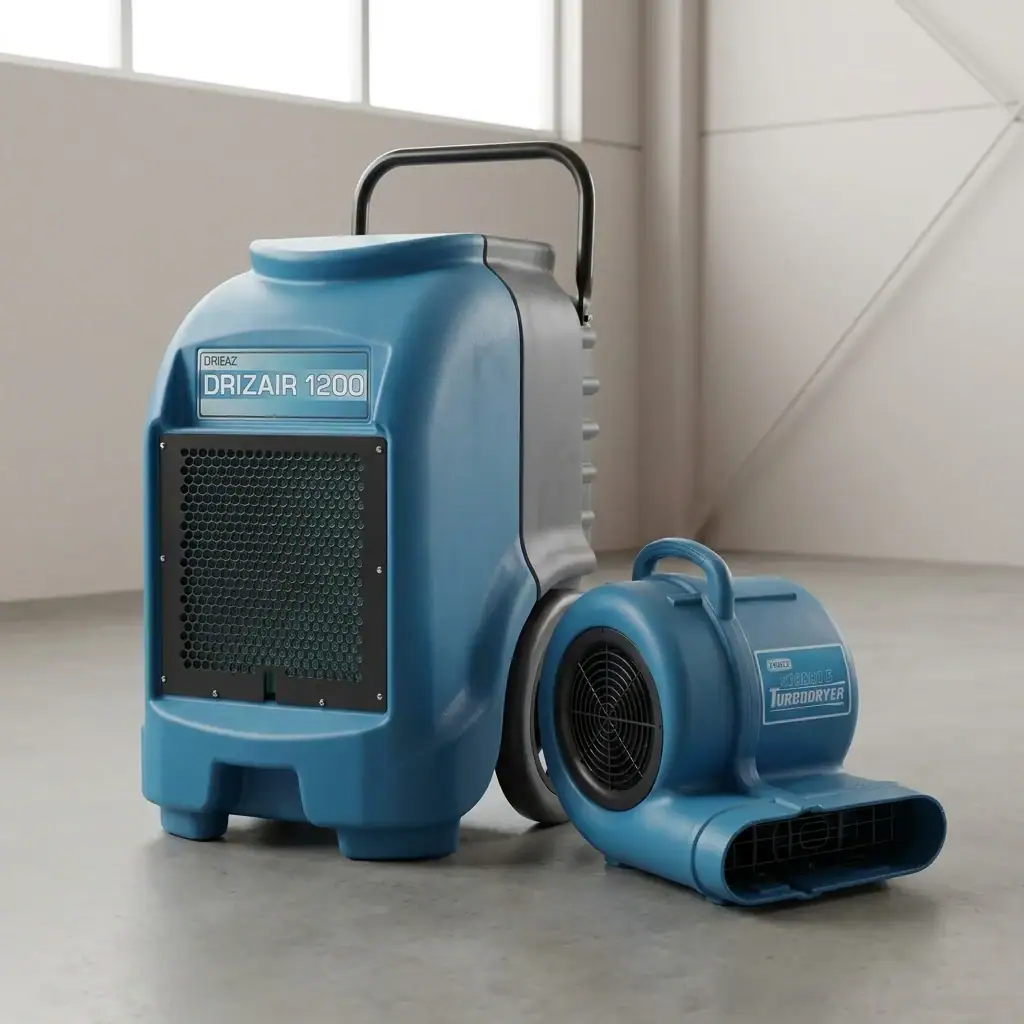
For serious damp situations, the most effective approach combines a dehumidifier with one or more air movers. The dehumidifier removes moisture from the air while the air movers direct airflow across wet surfaces, pulling trapped moisture out of masonry, plaster, and timber far faster than a dehumidifier working alone.
Which Solution Fits Your Situation?
Use this table to match your situation to the right action.
| Your Situation | Likely Cause | Recommended Action |
|---|---|---|
| Condensation on windows each morning | Condensation | Improve ventilation, consider dehumidifier hire |
| Black mould in bathroom corners | Condensation | Extractor fan + dehumidifier to bring humidity down fast |
| Wet wall patch that worsens when it rains | Penetrating damp | Fix external defect, then dry walls with dehumidifier + air movers |
| Damp up to 1m on ground floor walls | Rising damp | Professional DPC survey, then drying equipment for post-treatment |
| Damp after a burst pipe or leak repair | Water damage | Drying package: dehumidifier + 2 air movers minimum |
| Newly plastered room not drying | Trapped construction moisture | Dehumidifier + gentle heat to accelerate curing |
| Rental property with mould complaints | Usually condensation | Dehumidifier hire as immediate action, then ventilation improvements |
Common Mistakes When Dealing with Damp
Painting over damp with standard emulsion. The damp will come back through within weeks, and the paint will blister. You need to fix the cause and dry the wall before redecorating.
Using a domestic dehumidifier in a large or badly affected space. Domestic units lose capacity rapidly below 15 degrees and cannot handle saturated masonry. For anything beyond a single room with mild condensation, industrial-grade equipment is significantly more effective.
Blocking ventilation to save on heating. This is the single biggest cause of condensation damp in UK homes. Trickle vents, airbricks, and extractor fans exist for a reason. Blocking them creates the exact conditions damp thrives in.
Agreeing to DPC injection without a proper survey. Some companies diagnose rising damp where none exists and charge thousands for unnecessary treatment. Always get an independent survey from a PCA-accredited specialist before committing to expensive remedial work.
Equipment Available for Drying
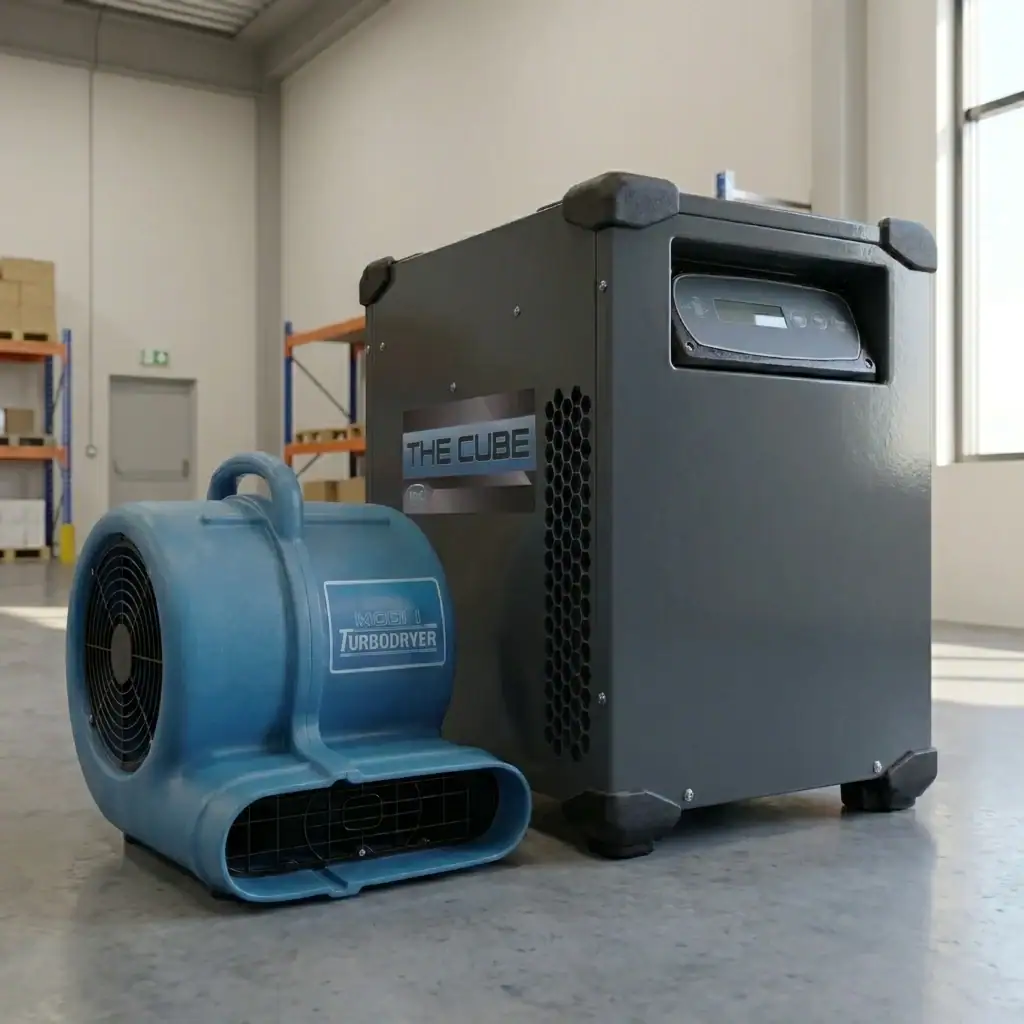
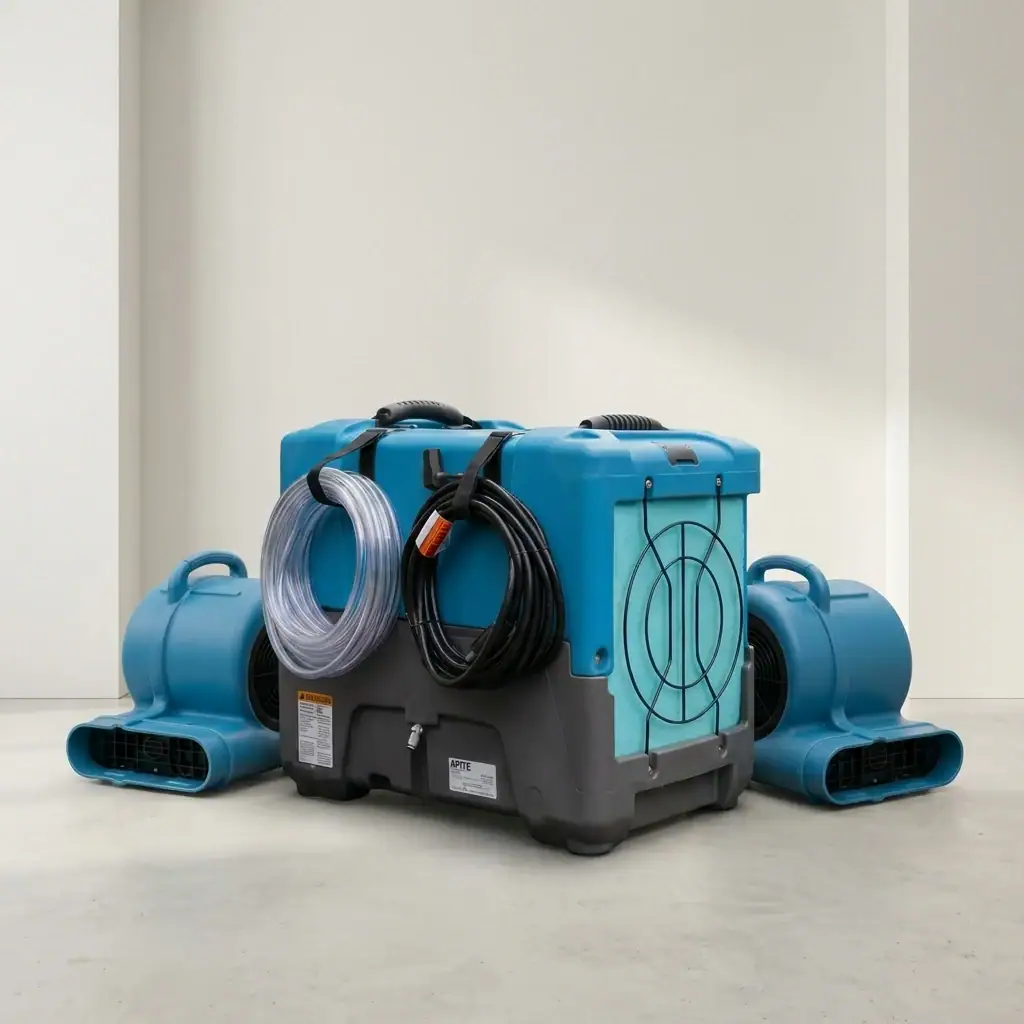
We deliver drying equipment across London. Here is what we supply for damp and moisture problems.
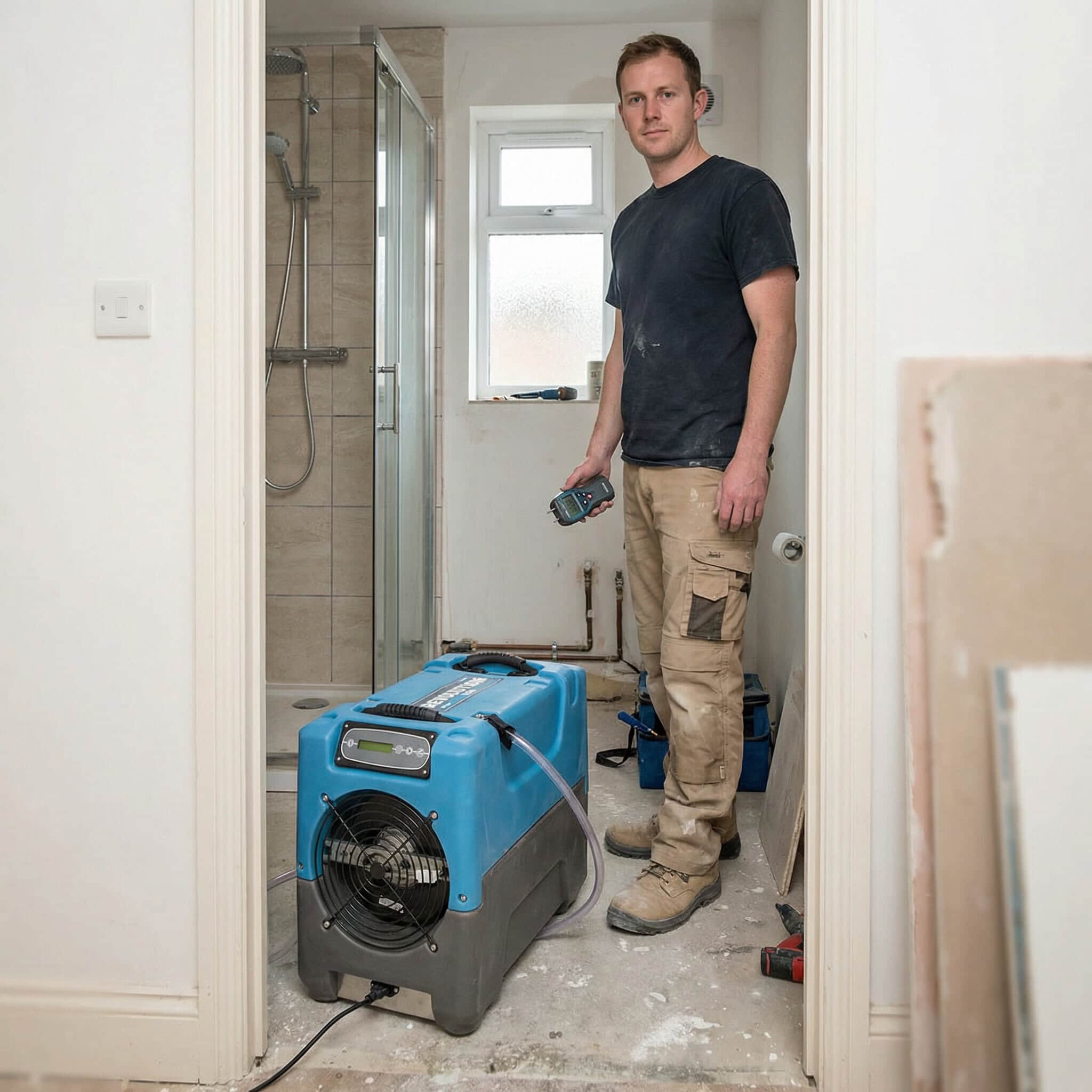
Dehumidifiers
Industrial Dehumidifier Hire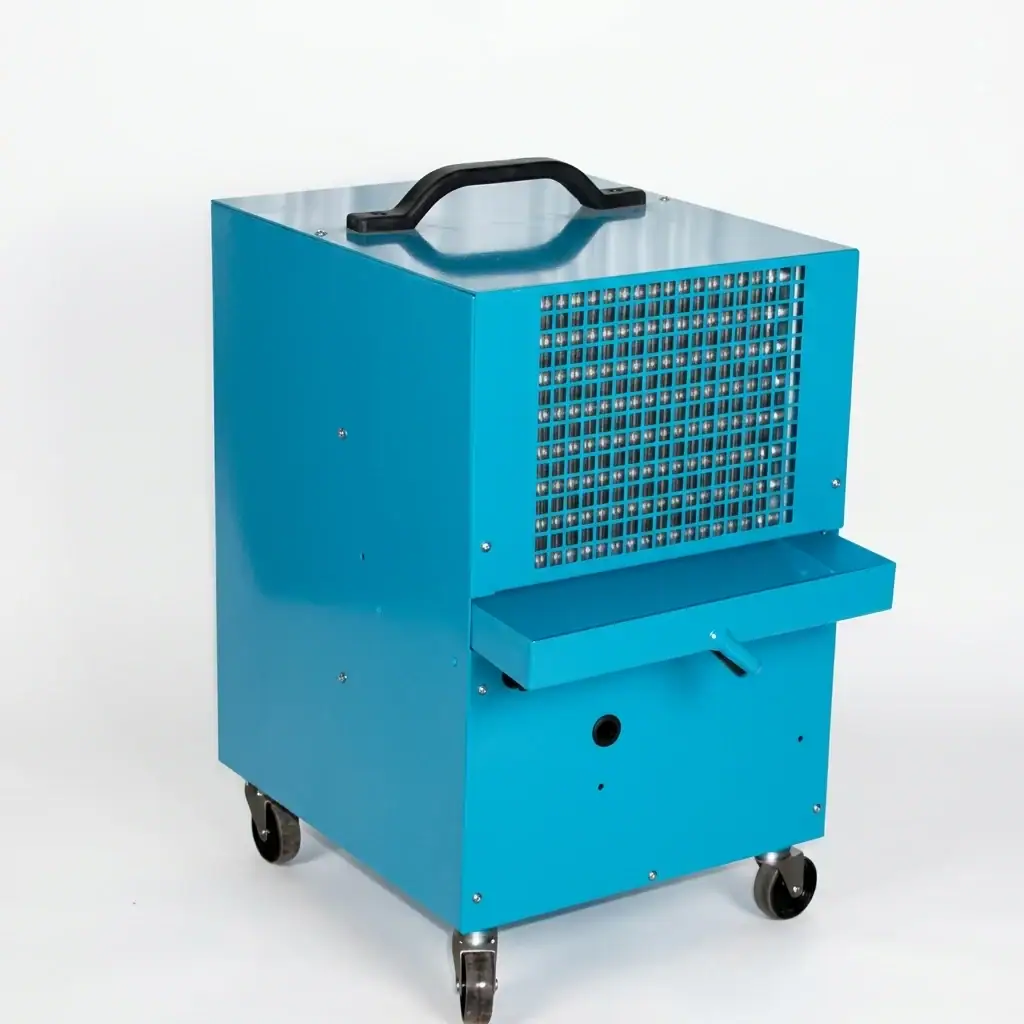
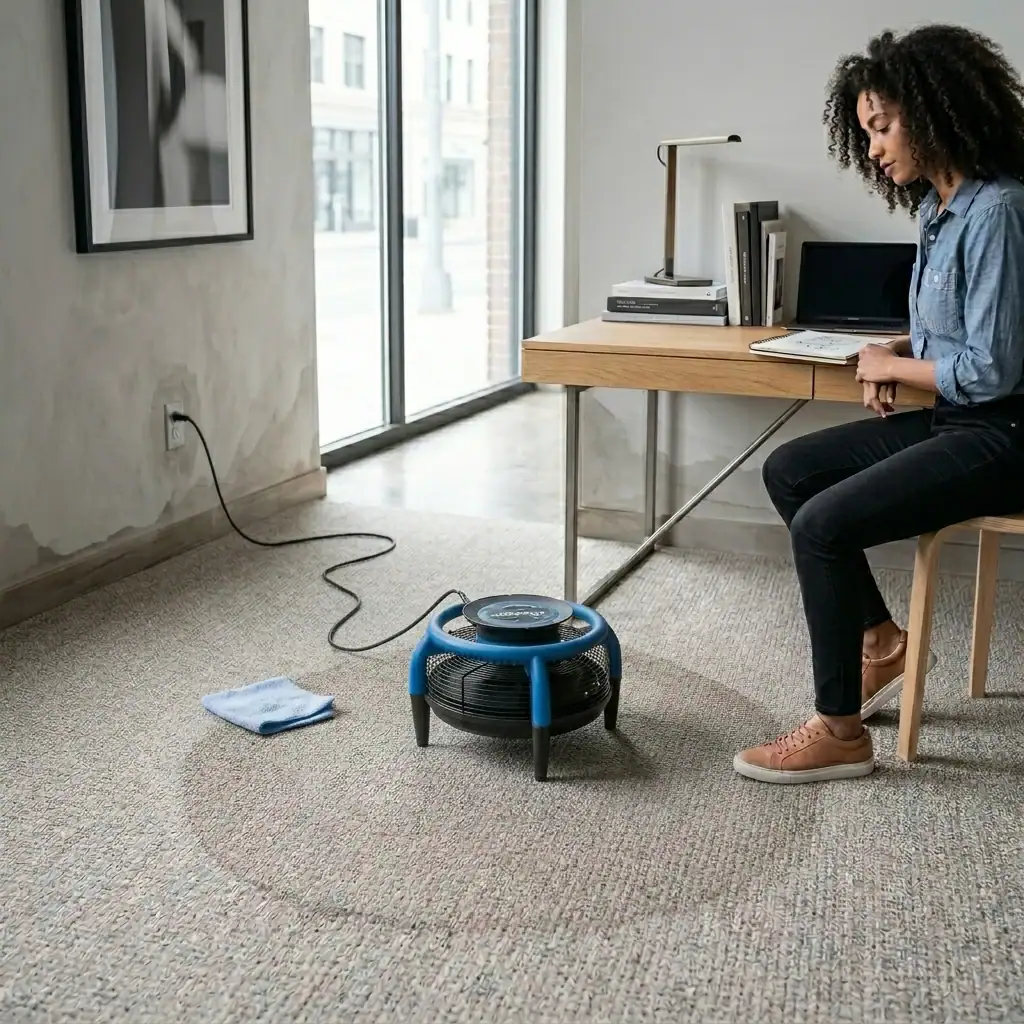
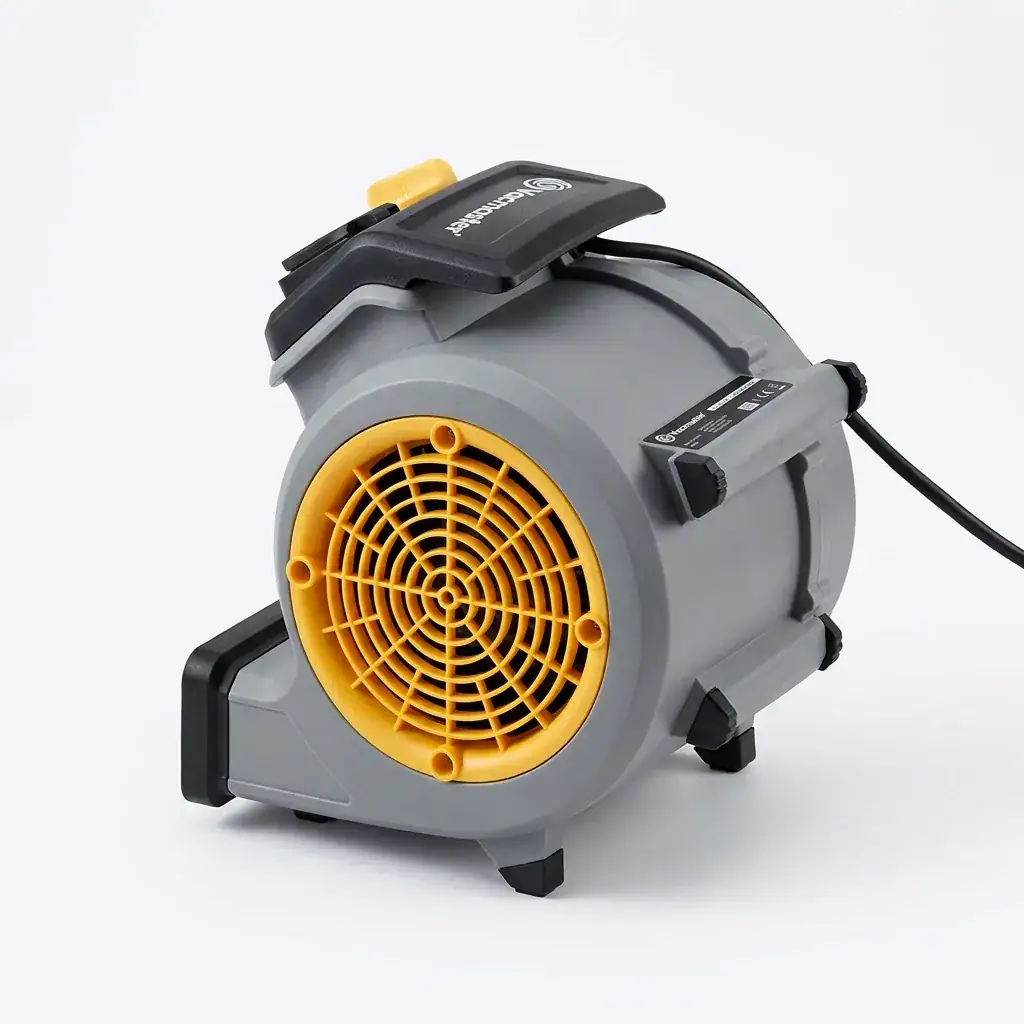
Air Movers
Drying Packages
What the equipment costs
Only one of the three damp types above is fixed by a machine — condensation. These are our own rates for it, ex-VAT, matching each product page.
| Machine | 1 day | 2 days | Up to a week | Longer |
|---|---|---|---|---|
| 19L compact — one room, standard plug | £19.99 | £24.99 | £34.99 | £4.50/day |
| 38L commercial — a flat or a floor | £29.99 | £44.99 | £59.99 | £8.40/day |
| 43L Dri-Eaz Cube — stacks in tight spaces | £39.99 | £59.99 | £74.99 | £11.20/day |
| 63L LGR — cold rooms, heavy saturation | £59.99 | £89.99 | £119.99 | £16.80/day |
| Air mover — per unit | £19.99 | £24.99 | £29.99 | £4.80/day |
Prices are ex-VAT and match each product page. A refundable deposit applies and comes back in full when the equipment returns undamaged. Delivery is £35 + VAT next working day, £59 before 11am, £69 same day, or collect free from Greenford UB6.
Be clear what you are buying. A week with a 19L dehumidifier at £34.99 + VAT will tell you definitively whether humidity was the problem. If the marks come back with the machine running, the cause is penetrating or rising damp and the money belongs with a builder, not with hire equipment.
Related Guides
These guides go deeper on specific damp and drying topics.
How to Dry a Room After a LeakWhat Size Dehumidifier Do I Need?How Many Dehumidifiers Do I Need?Plaster Still Wet After a Week?Dehumidifier vs Air MoverFrequently Asked Questions
Is damp in a house dangerous?
How long does it take to dry out a damp house?
Can a dehumidifier solve a damp problem permanently?
Do I need a damp survey before hiring equipment?
Is it worth hiring an industrial dehumidifier or buying a domestic one?
If the damp is around an indoor pool, a spa or a hot tub room, the cause is not the building failing — it is the water. Indoor pool and hot tub room humidity deals with that case on its own terms.
Related guides
A very common symptom with its own set of causes. Read: condensation on the windows every morning. Below-ground rooms behave differently to the rest of the house. Read: drying out a basement or cellar.

 Drone Survey & Mapping
 Drone Inspections