
 Drone Services
 Access Equipment
 Breaking & Drilling
 Cleaning Equipment
 Drying & Heating
 General Site Tools
Cleaning Equipment, Equipment Hire Guides
What Is a Prochem Carpet Cleaner? How the Pros Get Better Results
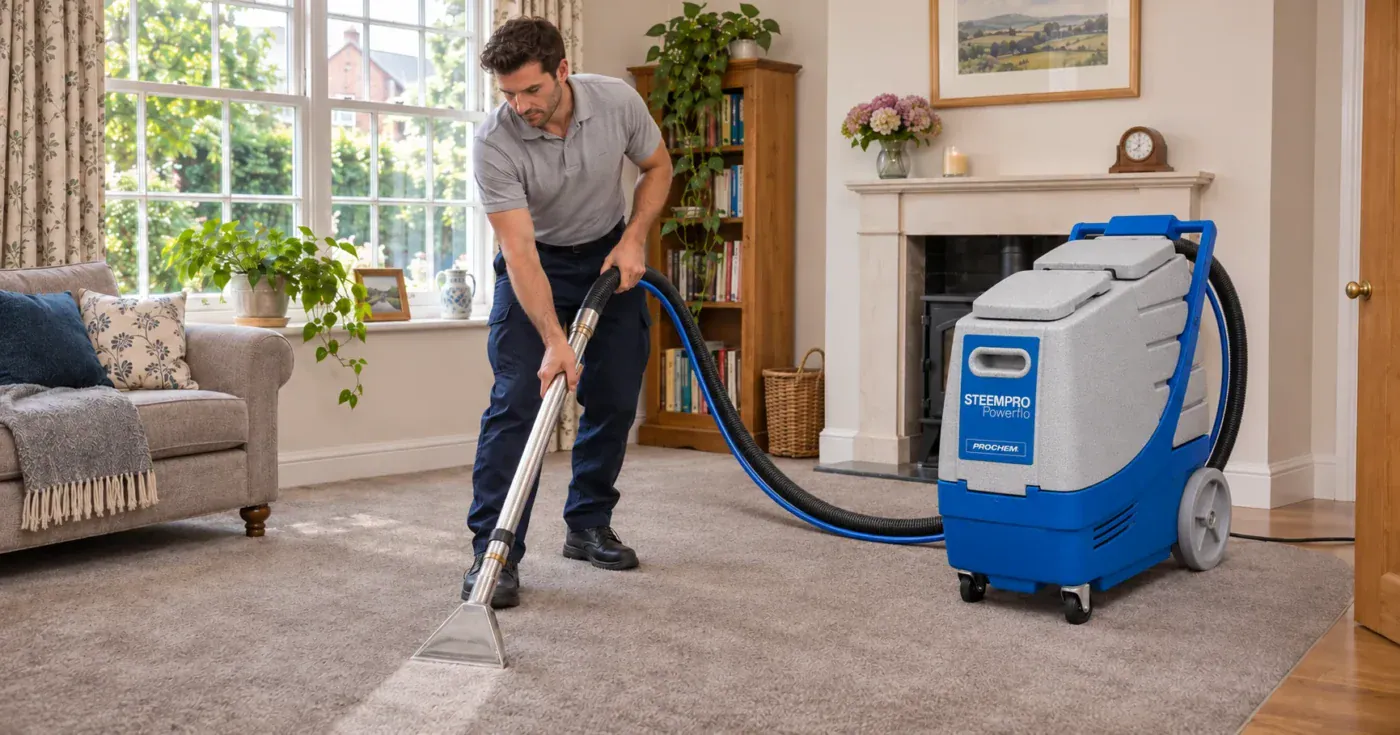
Prochem is the name many professional carpet cleaners work with. Here is what sets it apart, and how to get a pro finish yourself.
Ask a carpet cleaner what is in the back of their van and there is a good chance the answer is a Prochem. Customers ask us for it by name, so we have added one to the hire range. This guide explains what a Prochem is, how it differs from the upright machines you see at supermarket hire stands, how to use the wand properly, which mistakes leave a carpet wet or sticky, and how to get the carpet dry quickly afterwards, even in winter.
What is a Prochem carpet cleaner?
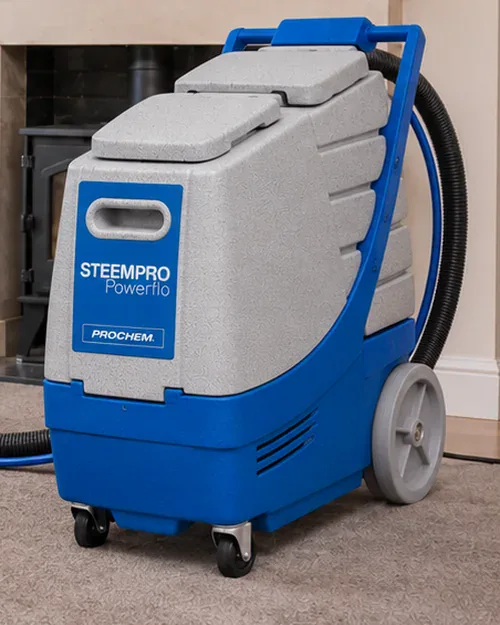
A Prochem is a professional hot water extraction machine, the kind carpet cleaning firms carry in their vans: its 150 psi pump forces solution deep into the fibres via a hand wand, while a three-stage vacuum recovers the dirty water in the same stroke. Next to a supermarket upright it carries far more water, sprays harder and pulls harder, so the clean goes deeper and the carpet is left drier. If you want to use one yourself, Hireload has a Prochem carpet cleaner for hire in London.
Hiring a Prochem in London
This guide covers the machine and the method. For hire prices, what comes with it, delivery and booking, see Prochem carpet cleaner hire. If you are not sure which tools your job needs, call the hire desk on 020 3375 4048.
Who uses Prochem, and why it is different
Prochem makes the kit that carpet cleaning firms buy for their own work: portable extraction machines, van-mounted systems, wands, upholstery tools and a full range of detergents, pre-sprays and rinses. Cleaning trade press describes its portable machines as a common sight with professional carpet cleaners, facilities companies, hotels and healthcare buildings, partly because the vacuum motors are quiet enough to use while people are in the building.
When people talk about “a Prochem” they almost always mean one of these portable extraction machines. It is not an upright you push like a vacuum cleaner. The machine sits on wheels, and you clean with a stainless steel wand on the end of a hose. That one difference changes how much dirt you lift and how wet the carpet stays.
What the Prochem we hire has
Prochem or a supermarket hire machine?
Both wash carpet with water and detergent and suck it back up, but they are built for different jobs. A supermarket upright is designed for an occasional freshen-up by anyone. A Prochem is designed for people who clean carpets every day and need a result that holds.
| Prochem (as we hire it) | Typical supermarket upright | |
|---|---|---|
| How you clean | Hand wand on a hose, pulled towards you | Brush head pushed along like a vacuum |
| Clean water tank | 35 L | Much smaller, so more trips to the tap |
| Spray | 150 psi pump into the pile | Lower pressure spray |
| Suction | Three-stage vacuum motor | Usually a smaller single motor |
| Water left behind | Very little, as long as you end with suction-only passes | More, so drying takes longer |
| Stairs and edges | Wand reaches risers, corners and along skirting | Wide head struggles on stairs and in corners |
| Upholstery | Works with a hand upholstery tool | Depends on the attachments supplied |
| Best for | Whole houses, heavy soiling, stairs, offices, a pro finish | A light refresh of one room |
The trade-off is that a wand takes a few minutes to learn, and the machine is heavier to lift. Our guide to choosing a carpet cleaner compares all the machines we hire if you are still deciding.
Is a Prochem a steam cleaner?
Not really. Most people say “steam cleaning” when they mean hot water extraction, which is the job a Prochem does. Nothing leaving the wand is steam: the tank holds hot water from the tap mixed with detergent, and that warmth is what helps shift greasy soil from the fibres.
Fill it from the hot tap and leave the kettle out of it. The manufacturer’s instructions rule out boiling water and set a ceiling of 76 °C. Anything hotter risks the pump and can make some carpets shrink or their colours run.
How to use a Prochem like a professional cleaner
The steps below follow the manufacturer’s operating instructions, put into plain English for anyone picking up a wand machine for the first time.
1. Dry vacuum the carpet first
Give the carpet a slow, thorough going-over with your household vacuum. An extraction machine only handles liquid, so it cannot lift dry grit or dust, and any loose soil left behind becomes mud the moment water hits it.
2. Move the furniture and do a colour test
Clear as much of the floor as you can. Dampen an out-of-sight corner with a little solution, leave it for a couple of minutes and blot it with a clean white towel. Any dye on the towel means that carpet should not be wet-cleaned.
3. Pre-spray the dirty areas
Walkways, entrances and the route to the sofa carry the heaviest soiling. Mist these with a pre-spray, let it sit for a few minutes and work it in with a brush. It shifts more dirt than repeated passes with the wand ever will.
4. Fill the tank
Top up the solution tank from the hot tap and add the correct dose of the extraction detergent made for the machine. Ask the hire desk what is supplied with your hire. A splash of defoamer in the recovery tank stops suds building up, which matters most on carpets shampooed in the past, because foam can harm the vacuum motor.
5. Start in the far corner and work back to the door
Plan your route so you finish at the door and never have to walk back over a clean, wet carpet. Keep the machine behind you and the hose out of your path.
6. Spray as you pull back, extract as you push forward
Set the wand head on the carpet roughly 45 cm ahead of your feet. Hold the trigger while drawing it back to you, then let go and slide it forward along the same line so only the suction is working. Short strokes of around 45 cm give the most even result.
7. Overlap each strip slightly
Shift sideways so each new strip laps over the last one by 2 to 3 cm. That small overlap is what prevents stripes and untouched lines appearing when the carpet dries.
8. Finish with dry passes
Once a section is clean, run the wand over it again with the trigger released. Suction-only strokes lift moisture that would otherwise linger in the pile for hours, and they are the biggest single reason carpets cleaned with a Prochem dry quickly.
9. Keep emptying the recovery tank
Don’t let the dirty water get close to full. Pour it away down a toilet rather than the kitchen sink or a street drain.
10. Brush the pile and let the air in
Brush the pile in one direction so it dries evenly, open a window or put the heating on, and start drying straight away (see the drying section below).
For the general method on any hired machine, including how to return it, see how to use a hired carpet cleaner.
Why carpets end up soggy, sticky or streaky
Stairs, rugs and upholstery
Stairs
Park the machine on the floor below and let the hose do the climbing. Work each tread with short pulls from the back towards the nosing, then do the riser. Keep the strokes quick, because stairs soak through more easily than open floor. From the bottom, the 4.6 m hose reaches up a normal flight; for a second floor, carry the empty machine up between two people.
Rugs
Synthetic and wool rugs usually respond well, but always colour-test first as some dyes bleed. Silk, viscose and antique pieces belong with a specialist rug cleaner, since water can stain them, shrink them or dull the pile.
Sofas and chairs
Read the care label before anything else. A “dry clean only” label rules out every wet method. If water cleaning is allowed, test somewhere hidden, switch to an upholstery hand tool and keep the spray to the bare minimum. Our sofa and upholstery cleaning guide covers fabrics in more detail.
How long does a carpet take to dry after a Prochem?
With careful dry passes, a carpet cleaned with an extraction machine is often dry in roughly 2 to 6 hours in a warm, airy room. In a cold, damp London winter with the windows shut, it can take overnight or longer. Moisture that sits in the carpet for a day or more can bring back a musty smell and brown marks, so it pays to dry it quickly.
A carpet soaked by a leak or flood needs drying, not cleaning. Follow our guide on how to dry a wet carpet instead.
When a Prochem is the right choice, and when it is not
| Job | Prochem? | Why |
|---|---|---|
| Whole house before moving in or out | Yes | The big tank lets you do several rooms without stopping |
| Hallways, stairs and landings | Yes | The wand gets into edges and onto each step |
| Pet accidents and heavy soiling | Yes | Pre-spray, then deep extraction |
| Office or shop carpet | Yes | Built for daily commercial use; see our office carpet cleaning guide |
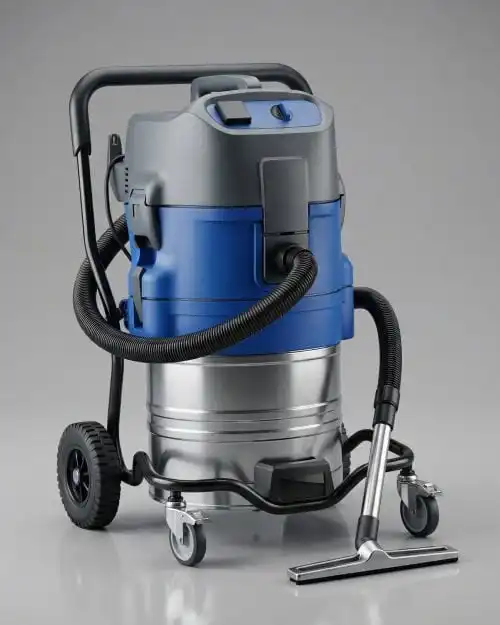
| Carpet soaked by a leak or flood | No | Pull the water out with a wet-dry vacuum, then dry it |
| Silk, viscose or antique rugs | No | Use a specialist rug cleaner |
| Dry-clean-only upholstery | No | Wet cleaning can shrink or mark it |
Hiring a Prochem from Hireload
We deliver across London, and a refundable deposit applies, as it does on all our equipment. Prices, the tools included and the optional cleaning solution are listed on the Prochem carpet cleaner hire page, and the hire desk can tell you which tools suit your job when you book.
Frequently asked questions
What kind of machine is a Prochem?
It is a portable hot water extraction machine built for professional carpet and upholstery cleaning. Solution is jetted into the fibres through a hand wand, and the soiled water is sucked straight back into its own recovery tank.
Is a Prochem better than a supermarket carpet cleaner?
For deep cleaning, stairs and larger areas, usually yes. It has a bigger tank, a stronger spray pump and more suction, so it lifts more dirt and leaves less water behind. A supermarket upright is easier to push for a quick refresh of one room.
Is a Prochem a steam cleaner?
No. It is a hot water extraction machine, which people often call steam cleaning. No steam comes out; it uses hot tap water and detergent.
Can I put boiling water in a Prochem?
No. Use hot tap water. The manufacturer warns against boiling water and anything above 76 °C.
Can I use any carpet shampoo in a Prochem?
No. Stick to the extraction detergent made for the machine, because household shampoos and washing-up liquid foam, leave a residue and can harm the motor.
Can a Prochem pick up dry dirt?
No. It only extracts liquid, so go over the carpet with an ordinary vacuum cleaner first.
How long does carpet take to dry after a Prochem?
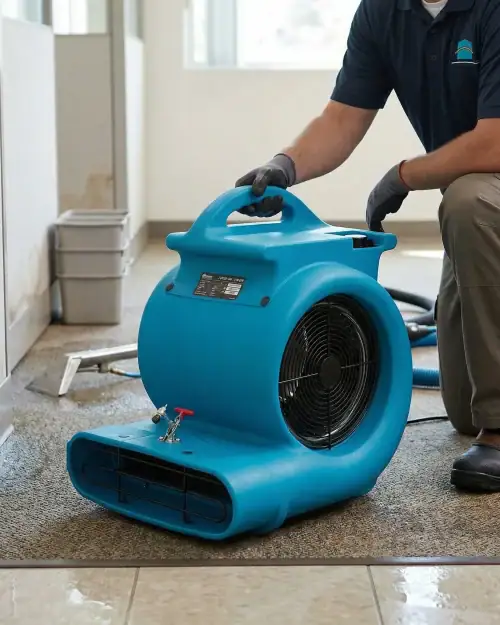
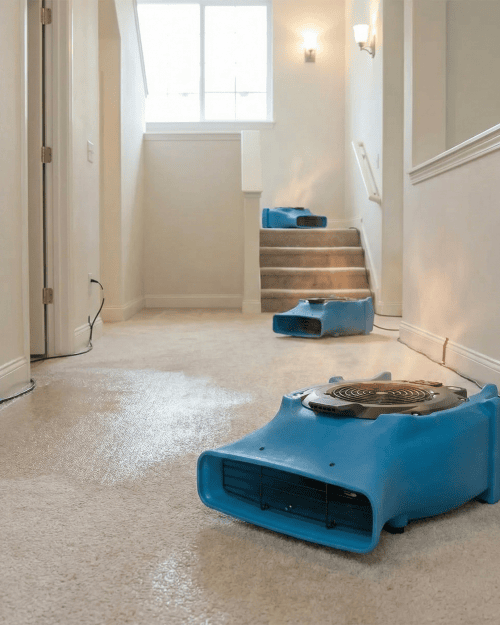
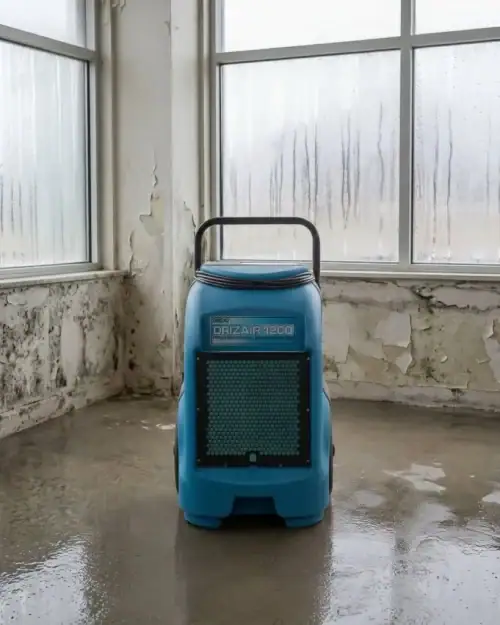
Usually somewhere between 2 and 6 hours in a warm, well-ventilated room, and longer when it is cold and damp. Suction-only passes, an air mover and a dehumidifier all speed it up.
Can a Prochem clean a sofa?
Yes, using an upholstery hand tool, provided the care label allows water cleaning. Check a hidden spot for dye bleed first and keep the solution to a minimum.
How heavy is a Prochem?
The one we hire weighs about 35 kg empty. It has large wheels for steps, but it is a two-person lift up a full flight of stairs.
Related guides
Want a Prochem for the weekend?
Tell us the rooms, whether there are stairs, and any sofas or rugs. The hire desk will confirm what comes with the machine and book delivery across London.
Note: Prochem is a trademark of its owner. Hireload is an independent hire company and is not affiliated with or endorsed by Prochem. The method above follows the manufacturer’s operating instructions for its portable extraction machines; always follow the instructions supplied with your hire and the care labels on your carpet and furniture. Drying times are typical, not guaranteed. Prices are ex VAT from our product pages in November 2026, subject to availability.

 Drone Survey & Mapping
 Drone Inspections