
 Drone Services

 Access Equipment

 Breaking & Drilling
 Cleaning Equipment
 Drying & Heating
 General Site Tools

Drying & Heating, Equipment Hire Guides
Water Under a Wooden or Laminate Floor After a Leak: What to Do and How to Dry It
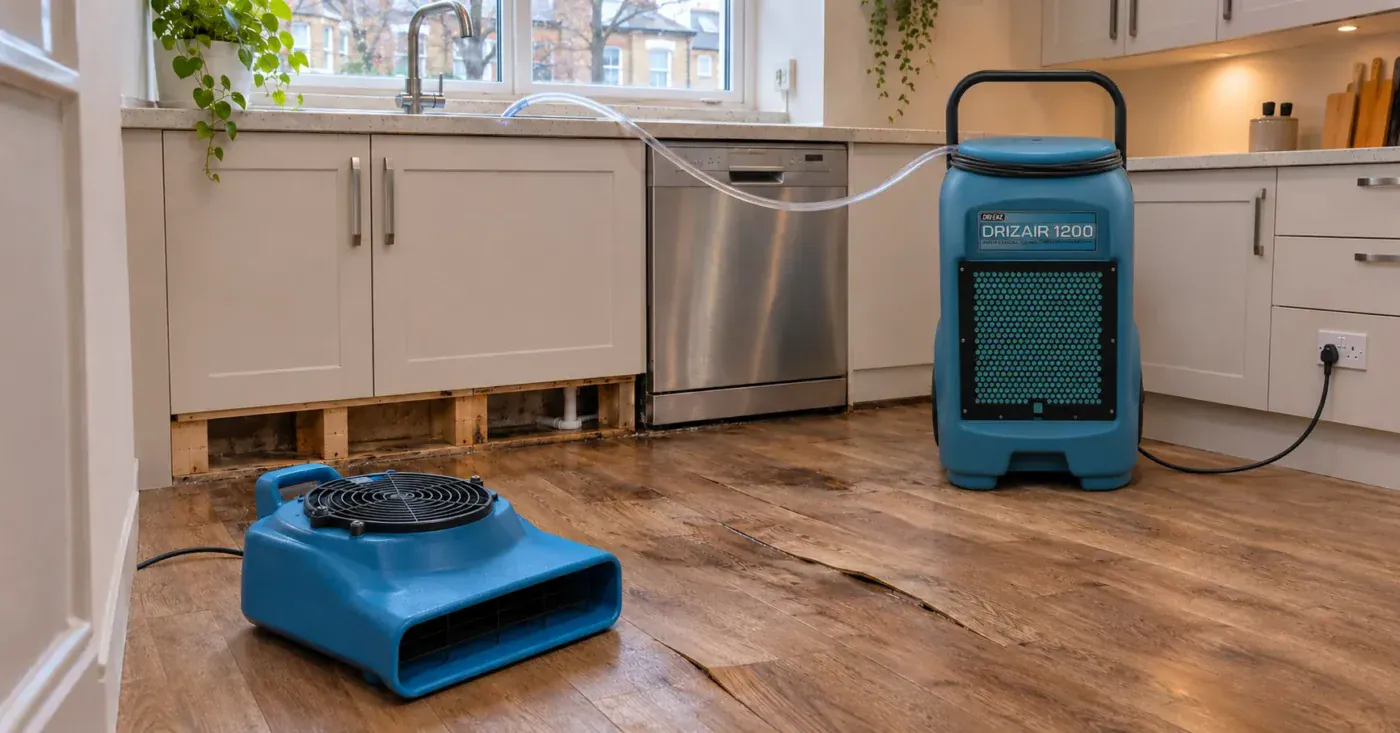
After a leak, what you can save depends on the type of floor and how fast you start.
A dishwasher hose, a leaking radiator valve, a burst pipe under the kitchen or an overflowing bath upstairs can push water under a wooden or laminate floor in minutes. The top often looks fine at first. The damage happens underneath, where water sits against the boards, the underlay and whatever lies below. This guide explains what to do in the first hour, which floors can be dried and which need new boards, how to dry the floor and what lies beneath it, and why you should never sand a cupped floor too soon.
Can a wet wooden or laminate floor be saved?
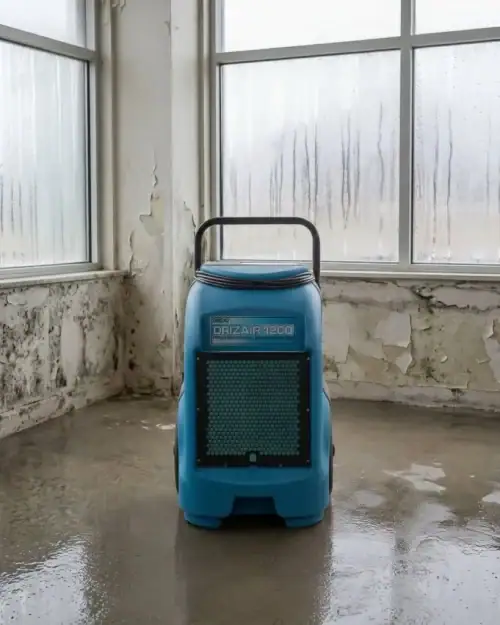
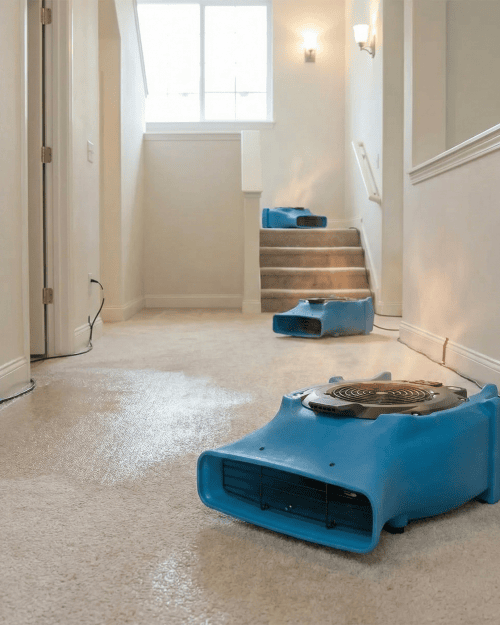
Solid wood can often be saved if it is dried slowly and fully. Engineered wood sometimes can. Laminate boards that have swollen at the edges rarely recover, but the floor underneath still has to be dried before new boards go down. Whatever the floor, shut off the water, vacuum up standing water with a wet-dry vac, take off the skirting or the wet boards to see underneath, then run air movers across the floor and a professional dehumidifier in a closed room. Check with a moisture meter against a dry part of the floor, and do not sand a cupped wooden floor until the readings match. Hireload hires a 55 L dehumidifier from £89.99 + VAT for up to 7 days and low-profile air movers from £39.99, delivered across London.
Which floor do you have?
Wooden and laminate floors look alike but react to water very differently. Knowing which one you have tells you whether to dry the boards or replace them.
| Floor | What water does | Usually | What to do |
|---|---|---|---|
| Solid wood | Boards swell and cup, with the edges higher than the middle | Can often be saved | Dry slowly, measure, and sand only once it has settled |
| Engineered wood | The top layer can lift or separate from the core | Sometimes saved | Dry it, then replace boards that have lifted or blistered |
| Laminate | The fibreboard core swells, so joints peak and the surface bubbles | Swollen boards need replacing | Lift the wet boards, dry the floor beneath, fit new boards |
| Click vinyl (LVT) | Boards are waterproof, but water gets trapped underneath | Boards can usually be refitted | Lift the boards, dry the floor and underlay, then relay |
The first hour after the leak
1. Shut off the water and the power to wet areas
Close the stopcock or the valve on the appliance that leaked. Keep plugs and extension leads off the wet floor and switch off sockets near it.
2. Get the standing water up
Use a wet-dry vacuum along the joints and edges, where water runs under the boards. Towels only deal with the surface.
3. Find out how far the water has gone
Take off the skirting or the threshold strip at the wettest point and look underneath. Water often travels further under the floor than it looks from above.
4. Lift wet click boards
Laminate and click vinyl unclip row by row from the nearest wall. Lift the wet area and pull out soaked underlay so the floor below can dry. Number the boards if you plan to refit them.
5. Start drying straight away
Set up air movers and a dehumidifier straight away. The longer water sits under a floor, the more the boards swell and the higher the risk of mould underneath.
How to dry a wooden floor after a leak
On their own, air movers only shift the moisture into the room, where it ends up on the walls and glass. Use both together. See why the two machines are used together.
Cupping and crowning: why you should not sand too soon
When water gets under a solid wood floor, the bottom of each board swells more than the top, so the edges rise and the middle dips. This is called cupping. Many cupped floors flatten again as the boards dry back to match the room.
Edges higher than the middle of each board. A sign there is still more moisture below the boards than above.
The middle higher than the edges. Often the result of sanding a floor flat while it was still cupped.
Sand only when the moisture readings in the wet area match a dry part of the floor and stay steady for several days.
Once the floor has settled, a sand and refinish usually brings it back. See how to sand a wooden floor.
What is under the floor matters
The boards are only half the job. Whatever is underneath has to dry too, or the new or refitted floor will cup, smell or grow mould later.
How long does a wooden floor take to dry?
| Situation | Typical time |
|---|---|
| Spill on top of a sealed wooden floor, caught quickly | A day or two |
| Water under laminate or vinyl, boards lifted, timber subfloor | A few days |
| Solid wood floor that has cupped | Days to a few weeks, until the readings match |
| Water soaked into a concrete screed | Weeks, depending on depth |
Go by moisture readings, not the calendar. A floor that feels dry on top can still be wet underneath.

What the drying kit costs
| Kit | Use | Price |
|---|---|---|
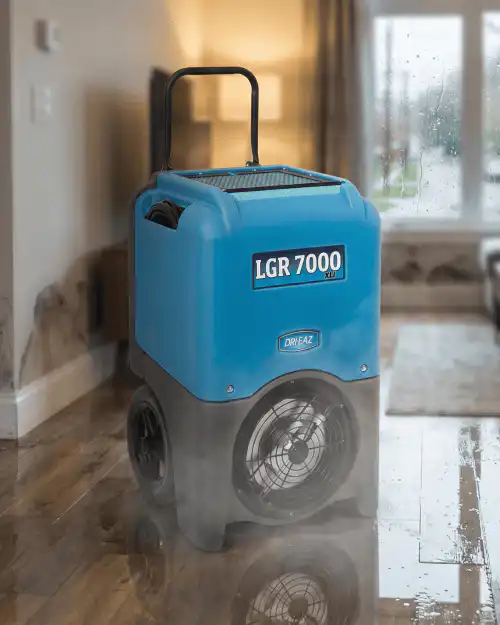
| 55 L professional dehumidifier | One room, kitchen or hall | £89.99 |
| Low-profile air mover | Air across the boards and under units | £39.99 |
| Water damage drying package | Dehumidifier plus two air movers | £129.99 |
| 95 L LGR building dryer | Whole floors and screed | £149.99 |
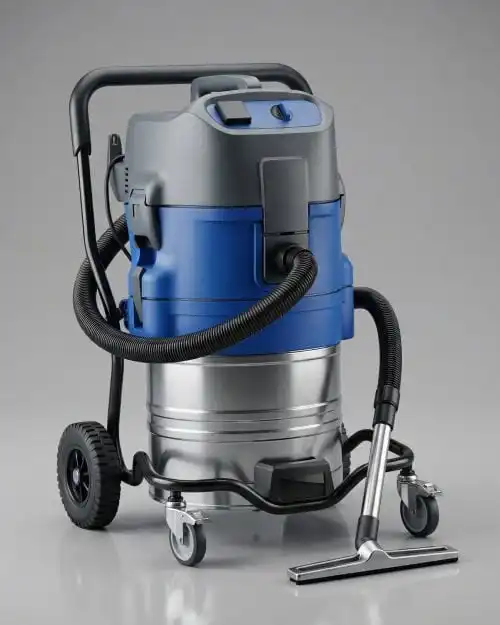
| Wet-dry vacuum | Standing water along the joints | £44.99 |
Shorter hires of one or two days are cheaper, and from day 8 each machine switches to the daily rate listed on its product page. We deliver across London from £35 + VAT, or you can pick up free from the Greenford depot. A refundable deposit applies, and a free trade account takes 15% off for flooring fitters and builders.
Dry it, repair it or replace it?
Frequently asked questions
What should I do if water gets under my laminate floor?
Stop the water, pull up what you can with a wet-dry vacuum, then lift the wet boards and underlay so the floor beneath can dry. Run air movers and a dehumidifier until the floor underneath reads dry, then fit new boards where the old ones have swollen.
Can laminate flooring be dried out?
The boards themselves rarely recover once the core has swollen and the joints have peaked. The floor underneath can and must be dried before new boards go down.
Can a water-damaged wooden floor be saved?
Solid wood often can, if it is dried slowly and fully. Engineered wood sometimes can, but boards whose top layer has lifted need replacing.
Will a cupped wooden floor go back to normal?
Often, yes. Many cupped floors flatten as the boards dry back to match the room. Keep drying and take moisture readings until the wet and dry areas match.
When can I sand a wooden floor after a leak?
Only once moisture readings in the wet area match a dry part of the floor and stay steady. Sanding while it is still cupped can leave the boards crowned once they dry.
How do you dry under a wooden floor?
Lift a board or the skirting near the leak and blow air into the gap with an air mover, while a dehumidifier runs in the room. In older houses with a void under the floor, keep the air bricks clear.
Do I need to lift the floor to dry it?
Lift laminate and click vinyl in the wet area so the floor beneath can dry. Solid wood is usually dried in place, unless boards are badly damaged or the water was dirty.
How long does a wooden floor take to dry after a leak?
From a day or two for a surface spill to a few weeks for a cupped solid floor or a wet screed. Go by moisture readings, not the calendar.
What equipment do I need to dry a wooden floor?
A wet-dry vacuum for standing water, one or two air movers to blow across the floor, a professional dehumidifier and a moisture meter to check progress.
How much does it cost to hire floor drying kit in London?
For a hire of 3 to 7 days, the 55 L dehumidifier costs £89.99 and the low-profile air mover £39.99, both + VAT. London delivery is from £35 + VAT, plus a refundable deposit.
Related guides
Water under your floor?
Tell us the floor type, the room size and where the water came from. The hire desk will match the dehumidifier and air movers and book delivery across London.
Note: this is general guidance for drying floors after a clean-water leak. It is not a survey, flooring advice for a specific product or advice on any insurance claim. Follow your flooring manufacturer’s instructions. Drying times are typical, not guaranteed. Guidance on cupping and sanding follows wood moisture meter makers’ and restoration industry advice. Prices are ex VAT from our product pages in November 2026, subject to availability.

 Drone Survey & Mapping
 Drone Inspections