
 Drone Services
 Access Equipment
 Breaking & Drilling
 Cleaning Equipment
 Drying & Heating
 General Site Tools
Drying & Heating, Equipment Hire Guides
Does Insurance Cover Dehumidifier Hire? Drying After a Leak or Storm Claim
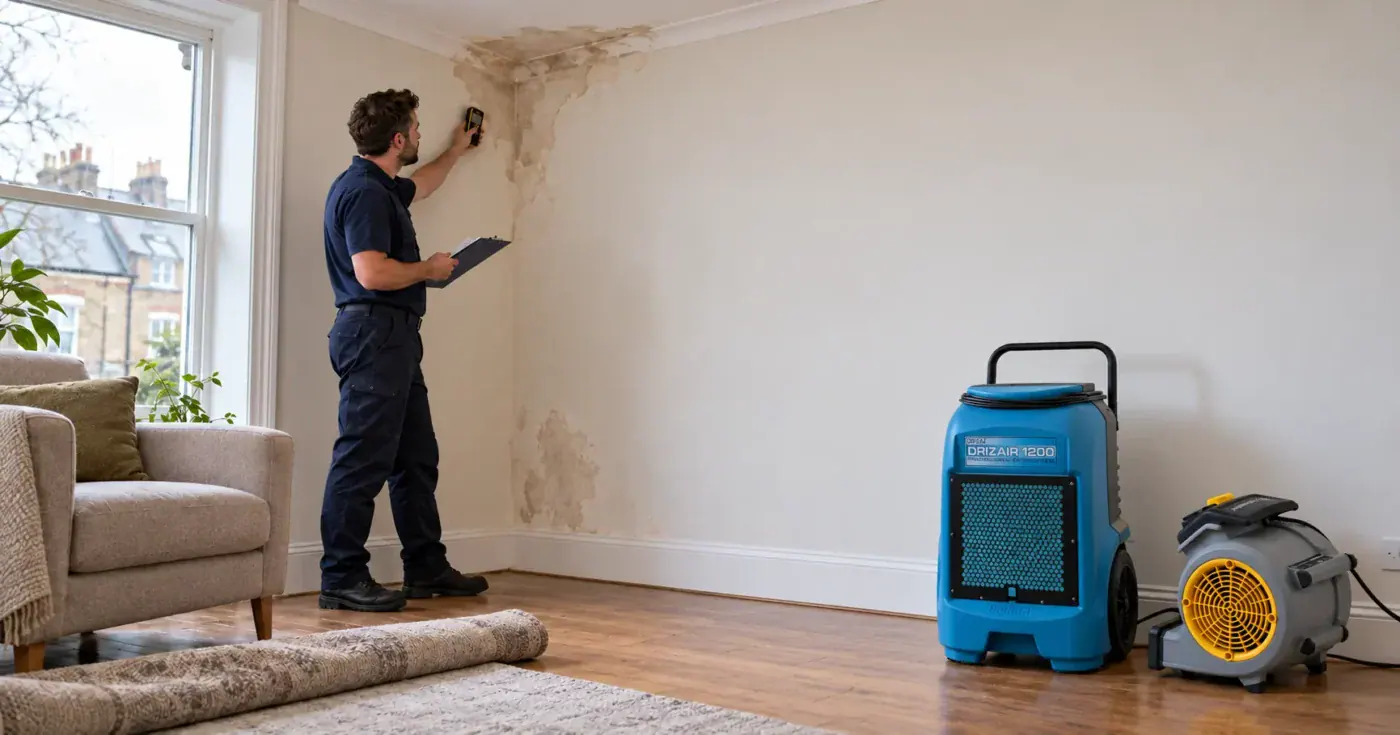
Dehumidifier hire for an insurance claim: dry it right and keep the paperwork straight.
A pipe bursts, the washing machine leaks through the ceiling or a storm puts water through the roof. You call your insurer, and the next question is how the place gets dried, who pays, and what you need to keep. This guide walks through the drying side of a home or business insurance claim, step by step. It covers which kinds of damage usually include drying, whether to wait for the insurer’s drying company or hire equipment yourself, the records insurers usually ask for, and a simple drying log you can copy.
Does home insurance cover dehumidifier hire?
Often, yes. If your home insurance covers the water damage, such as a burst pipe, a leaking appliance or storm damage, the cost of drying the property is usually part of the claim. Insurers either send their own drying company or accept reasonable costs for dehumidifiers and air movers you hire yourself. Check with your insurer first, then start drying straight away and keep your hire receipt and photos. In London, Hireload hires the same commercial dehumidifiers and air movers used on insurance drying jobs, delivered to your door. A Leak & Plaster drying package (55 L dehumidifier plus air mover) is £99.99 + VAT for up to 5 days.

Insurance and dehumidifier hire: short answers
Usually, if the leak is covered as escape of water. Drying is part of repairing the damage. Ask your insurer before you hire, and keep the receipt.
Many insurers allow it, especially for smaller leaks or when their drying company cannot come quickly. Ask first, then hire and start drying the same day.
Often, if the storm damage is covered. Rain coming through a damaged roof is a common storm claim, and drying the rooms below is part of it.
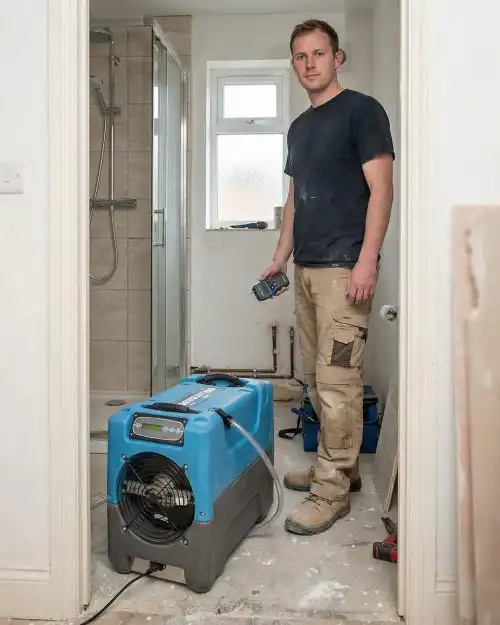
For one or two rooms, a 55 L dehumidifier with an air mover. For a whole floor, a 95 L LGR building dryer with three or four air movers. See the kit and prices.
Why drying matters so much in a claim
Water damage is one of the most common reasons people claim on home insurance. Go.Compare’s analysis of 2024 home insurance quotes found escape of water was the most common type of past claim people declared, at about 28.6%. Industry figures reported by Insurance Times put escape of water claims at over £2 million a day across UK insurers. And the Association of British Insurers reported record weather damage claims of £573 million for 2023. For prices and sizes, see our dehumidifier rental in London page.
The drying stage is where many of these claims are won or lost in practice. If a property is not dried properly, plaster blows, floors swell, mould grows and the repair bill climbs. If it is dried well and recorded, repairs can start sooner and there is less room for argument about what was damaged by the original leak.
Which kinds of damage usually include drying?
Every policy is different. This is a general picture of how home insurance usually treats water damage. Always check your own policy wording and ask your insurer.
| Cause of the water | Usually | Things to know |
|---|---|---|
| Burst or leaking pipe | Often covered as escape of water | Finding the leak (trace and access) can be a separate part of the policy |
| Leaking washing machine, dishwasher or tank | Often covered as escape of water | The faulty appliance itself may not be covered |
| Overflowing bath or sink | Often covered as escape of water or accidental damage | Depends on the policy and any add-ons |
| Storm damage letting rain in | Often covered as storm damage | Insurers usually look at whether there were storm conditions at the time |
| Flooding from outside | Depends on the policy and the area | Some policies in high-risk areas exclude flood or carry a higher excess |
| Slow leaks, condensation, rising damp, wear and tear | Usually not covered | Gradual damage is often excluded, but you still need to dry it; see does insurance cover damp |
Check your excess too. If the total cost is close to it, a claim may not be worth making, and hiring the drying kit yourself is often the quickest and cheapest way to deal with it.
Insurer’s drying company or hire it yourself?
There are two usual routes. Neither is better in every case; it depends on your insurer, the size of the job and how fast you need to start.
| Insurer appoints a drying company | You hire drying equipment yourself | |
|---|---|---|
| Who sets it up | A restoration company chosen by the insurer | You, or your builder or plumber |
| Who pays | Usually paid within the claim | You pay the hire, then claim it back if your insurer agrees |
| Speed | Depends on how quickly they can attend | Can usually start as soon as the kit arrives |
| Monitoring | The company takes readings and may issue a drying certificate | You keep a drying log and photos |
| Best for | Large or complex damage, flood water, contaminated water | Clean water leaks in one or a few rooms, small claims, claims under the excess |
The key point: ask your insurer before you hire. Some policies want you to use their approved restorer, or want large costs agreed in advance. If your insurer says you can arrange drying yourself, or if their contractor cannot get to you quickly, hiring the equipment yourself lets drying start straight away.

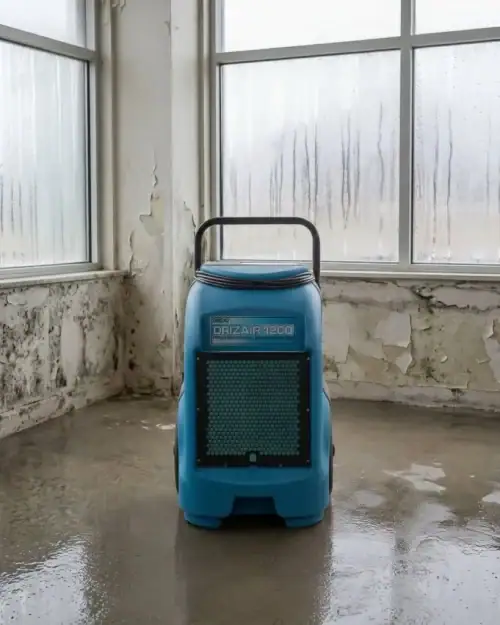
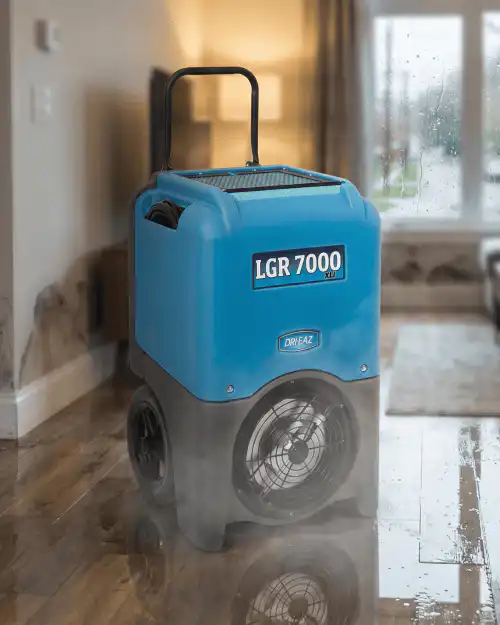 95 L LGR building dryerWhole floors, construction and flood drying£149.99 + VAT up to 7 daysHIRE NOW →
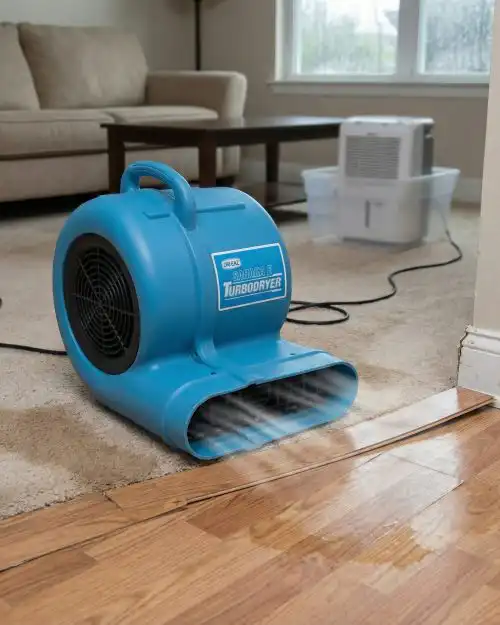
Step by step: a claim-ready drying job
1. Stop the water and make it safe
Turn off the water at the stopcock, or isolate the appliance. Keep away from electrics that got wet and do not use them until an electrician has checked them. Move undamaged belongings out of the area.
2. Photograph and film everything
Before you move anything, take wide shots of each room and close-ups of stains, wet floors, damaged items and the source of the leak. Video walk-throughs are quick and very clear.
3. Call your insurer and get a claim number
Use the emergency claims line on your policy documents. Ask: is this covered, can I arrange my own drying equipment, is there a limit, and what records do you want? Write down the claim number and the answers.
4. Get standing water out
Mop, wet-vacuum or pump out standing water. Lift soaked rugs. Keep any damaged items in case the insurer wants to see them.
5. Hire the right drying kit
For one or two rooms after a clean water leak, a dehumidifier plus an air mover is the usual set-up. For a whole floor, step up to an LGR building dryer and more air movers. See the kit below and our guide to which drying package you need.
6. Take readings on day one
Use a moisture meter on the wet areas and on a dry area of the same material for comparison, and note the room humidity. Take an electricity meter reading when the kit is switched on.
7. Log readings every day
Take readings in the same spots at roughly the same time each day and add a photo. Keep doors and windows closed so the equipment works efficiently.
8. Finish when readings match the dry areas
When the wet spots read the same as the dry reference areas and have stopped falling, drying is done. Take a final electricity reading and photos, then book collection.
A simple drying log you can copy
A clear daily record is the single most useful thing you can send your insurer or loss adjuster. It shows that drying started promptly, that it was done properly and when it finished. Copy this layout into a notebook or a spreadsheet.
| Date and time | Room and spot | Moisture reading | Dry reference reading | Room humidity | Equipment running | Photo |
|---|---|---|---|---|---|---|
| Day 1, 9am | Kitchen wall, 30 cm above floor | High | Low | 78% | 55 L + air mover | Yes |
| Day 3, 9am | Kitchen wall, 30 cm above floor | Falling | Low | 55% | 55 L + air mover | Yes |
| Day 5, 9am | Kitchen wall, 30 cm above floor | Matches reference | Low | 48% | Switched off | Yes |
Moisture meters give relative readings, so the comparison with a dry area of the same material matters more than the number itself. Also note your electricity meter at the start and end; some insurers will consider the cost of running the equipment. For what that usually comes to, see how much it costs to run a hired dehumidifier.
What to keep for your insurer
What drying usually costs
For most clean water leaks in a home, drying equipment is a small part of the total claim.
| Damage | Typical kit | Typical hire cost |
|---|---|---|
| Leak in one room, carpet and lower wall wet | Entry drying package, 5 days | £84.99 |
| Ceiling leak from upstairs, two rooms wet | Leak & Plaster package, 5 days | £99.99 |
| Burst pipe across several rooms | 63 L LGR + 2 air movers, 7 days | £119.99 + 2 × £29.99 = £179.97 |
| Whole ground floor after storm water | 95 L LGR + 3 air movers, 7 days | £149.99 + 3 × £29.99 = £239.96 |
For every size and price, see our dehumidifier hire cost guide. For how long drying usually takes, read how to dry out a house after a leak.
For claims and restoration professionals
We also supply drying equipment to the people who handle claims every day: loss adjusters, claims handlers, restoration and drying contractors, plumbers, builders and facilities managers across London.
From a single 38 L dehumidifier to several 95 L LGR building dryers and air movers for one property.
Delivered and collected across London from our Greenford depot, so the policyholder does not need to collect anything.
A free trade account gives 15% off hire rates and one direct line to the hire desk.
Dehumidifier and air mover packages for typical leaks, so the right kit goes out first time.
To set up regular supply for claims work, call 020 3375 4048 or email info@hireload.co.uk.
Frequently asked questions
Does home insurance cover dehumidifier hire?
If the water damage is covered, drying is usually part of the claim. Insurers either send their own drying company or accept reasonable hire costs. Check with your insurer before you hire.
Can I hire my own dehumidifier instead of waiting for the insurer?
Many insurers allow it, but ask first. Some policies require their approved contractor or want costs agreed in advance.
What do I need to keep for drying costs?
Your hire receipt, photos of the damage and a simple daily log of moisture readings.
Do you provide a drying certificate?
No. We hire drying equipment; we do not inspect properties or issue certificates. If your insurer needs a drying certificate, it is usually issued by their appointed drying company or an independent specialist. Our drying survey guide explains how these checks work.
Where can I hire a dehumidifier for an insurance claim in London?
Hireload hires commercial dehumidifiers, air movers and drying packages across London from its Greenford depot, delivered to your door. Drying packages start at £84.99 + VAT for up to 5 days.
What size dehumidifier do I need for water damage?
For a leak in one or two rooms, a 55 L dehumidifier with an air mover. For several rooms, a 63 L LGR. For a whole floor, a 95 L LGR with three or four air movers.
Can I claim the electricity for running the dehumidifier?
Some insurers will consider it. Take meter readings at the start and end of drying and ask your insurer.
How long does drying take after a leak?
A clean water leak in one or two rooms often dries in about a week with the right equipment. Severe damage can take several weeks. Readings tell you when it is done.
Is there a deposit?
Yes. A refundable deposit applies to every hire and is returned when the equipment comes back in good condition. The amount is shown when you book.
Related guides
Got a claim number? Start drying today.
Tell the hire desk what got wet and how big the area is. We will suggest the right kit and deliver across London.
Important: this guide is general information, not insurance advice. Hireload is an equipment hire company, not an insurer or broker, and we cannot say whether your claim will be accepted or what will be paid. Your policy wording and your insurer decide. Always speak to your insurer before arranging work or hiring equipment for a claim. Figures: Go.Compare analysis of 2024 home insurance quotes (published April 2025); escape of water at over £2 million a day as reported by Insurance Times; ABI weather claims for 2023 (published April 2024). Prices are ex VAT as shown on our product pages in October 2026.

 Drone Survey & Mapping
 Drone Inspections